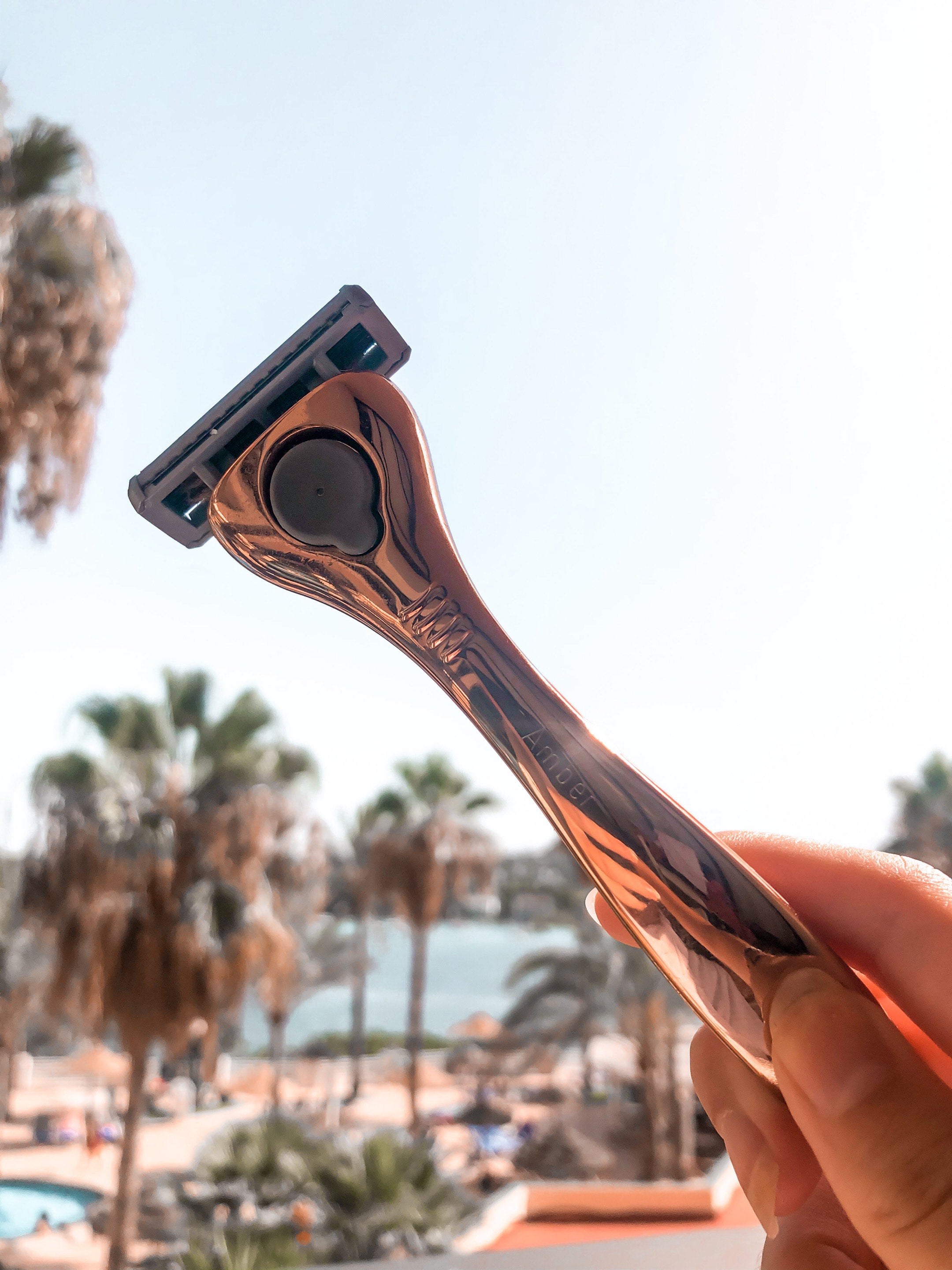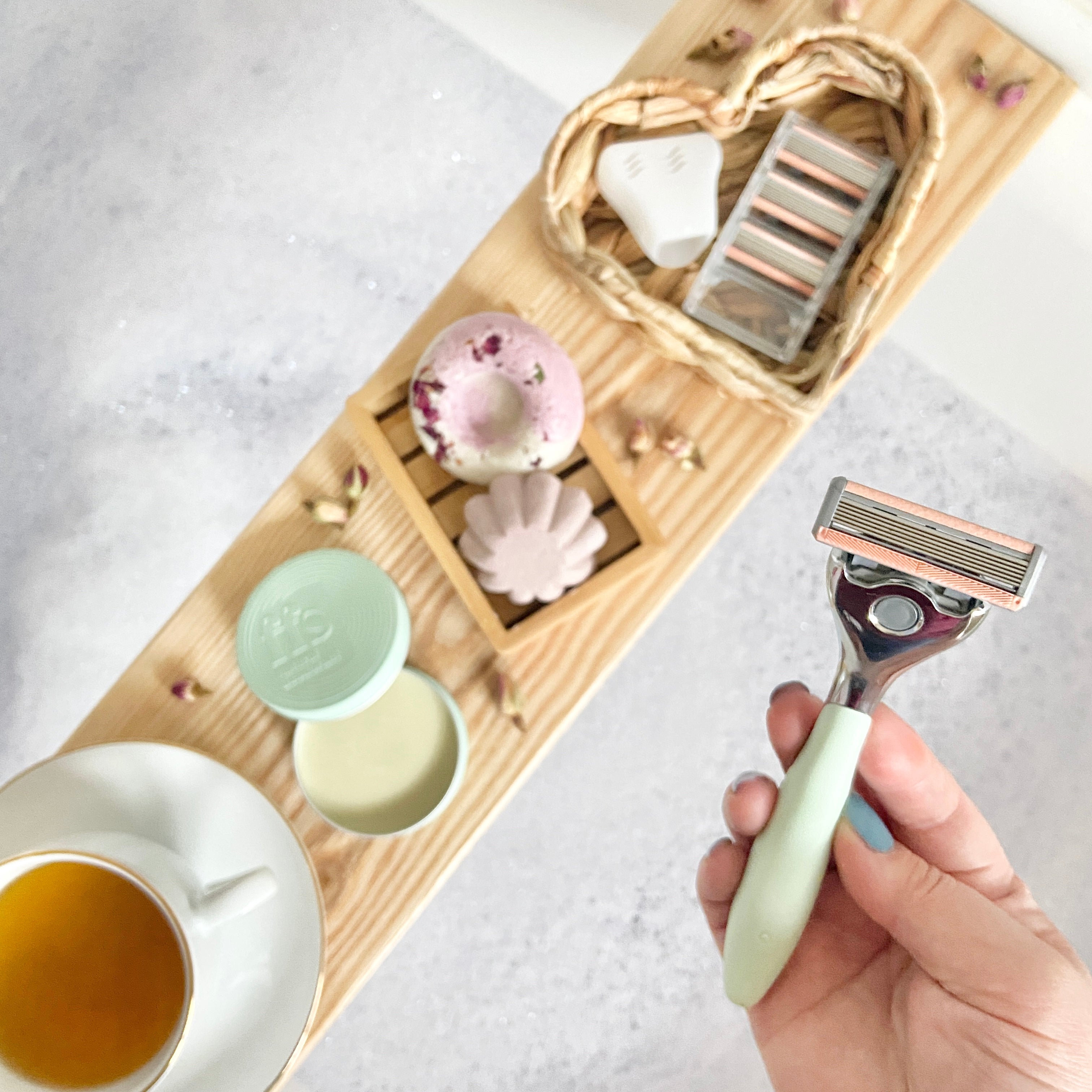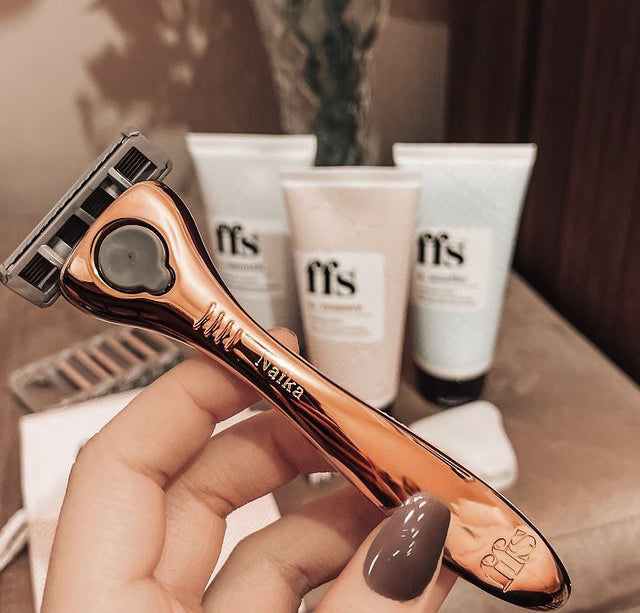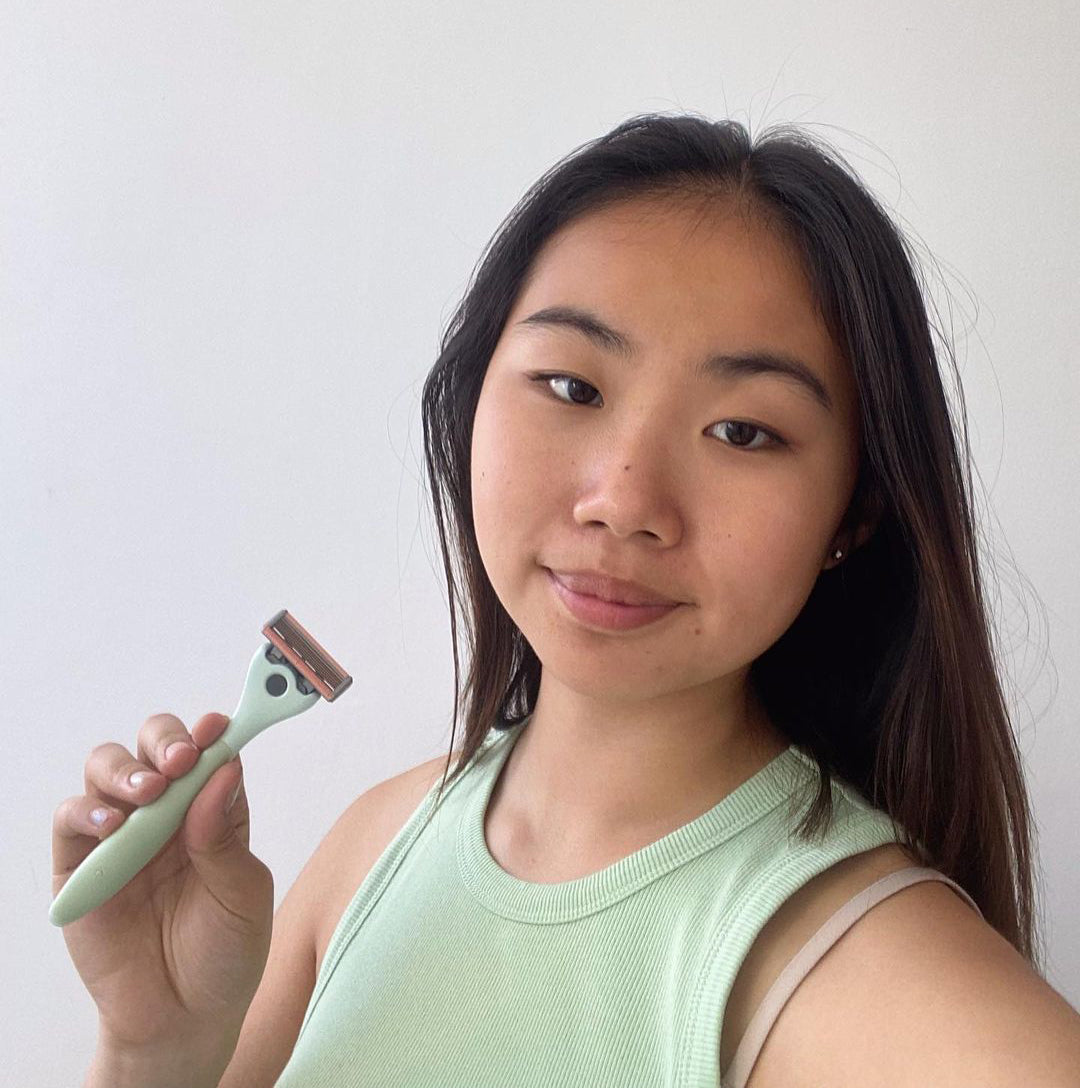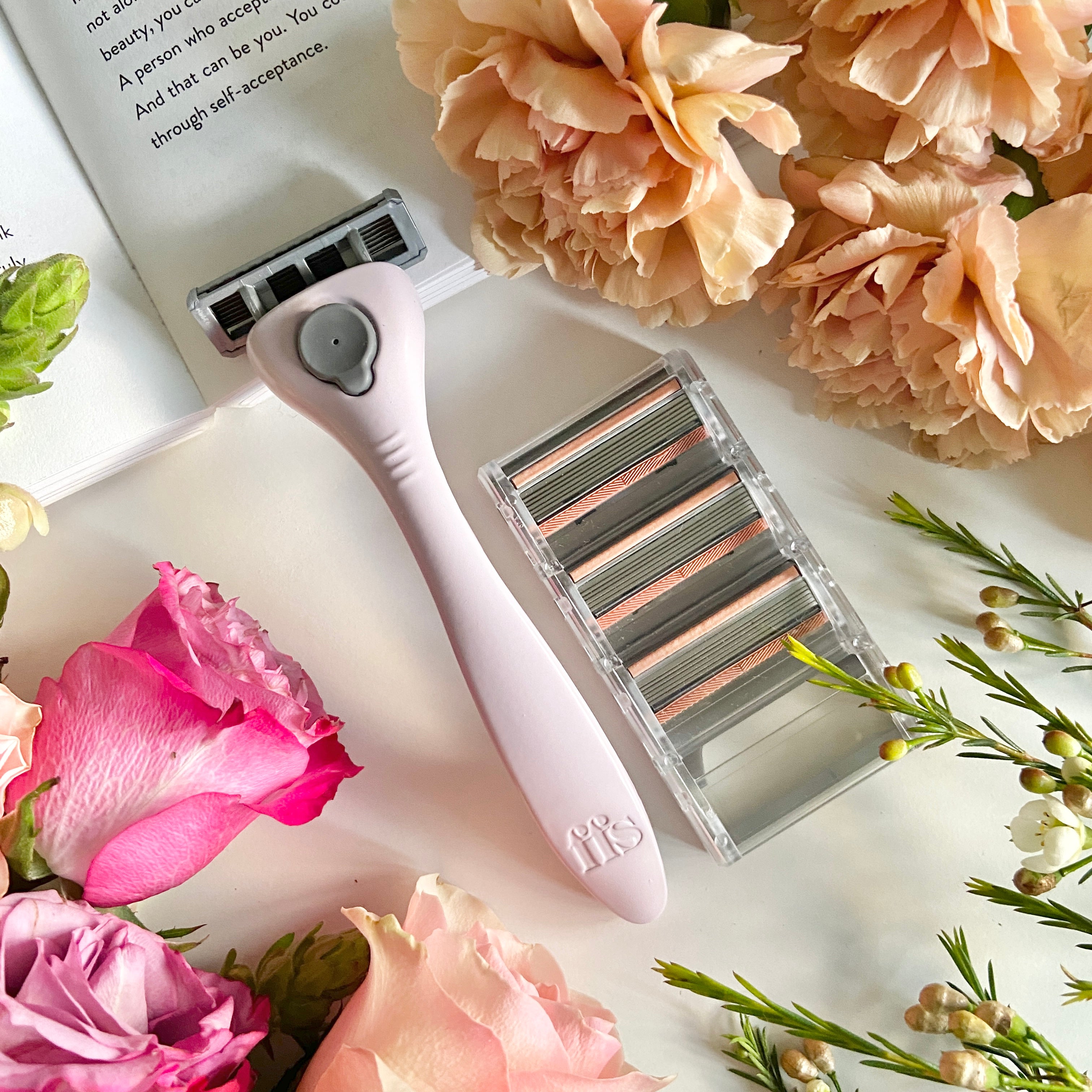
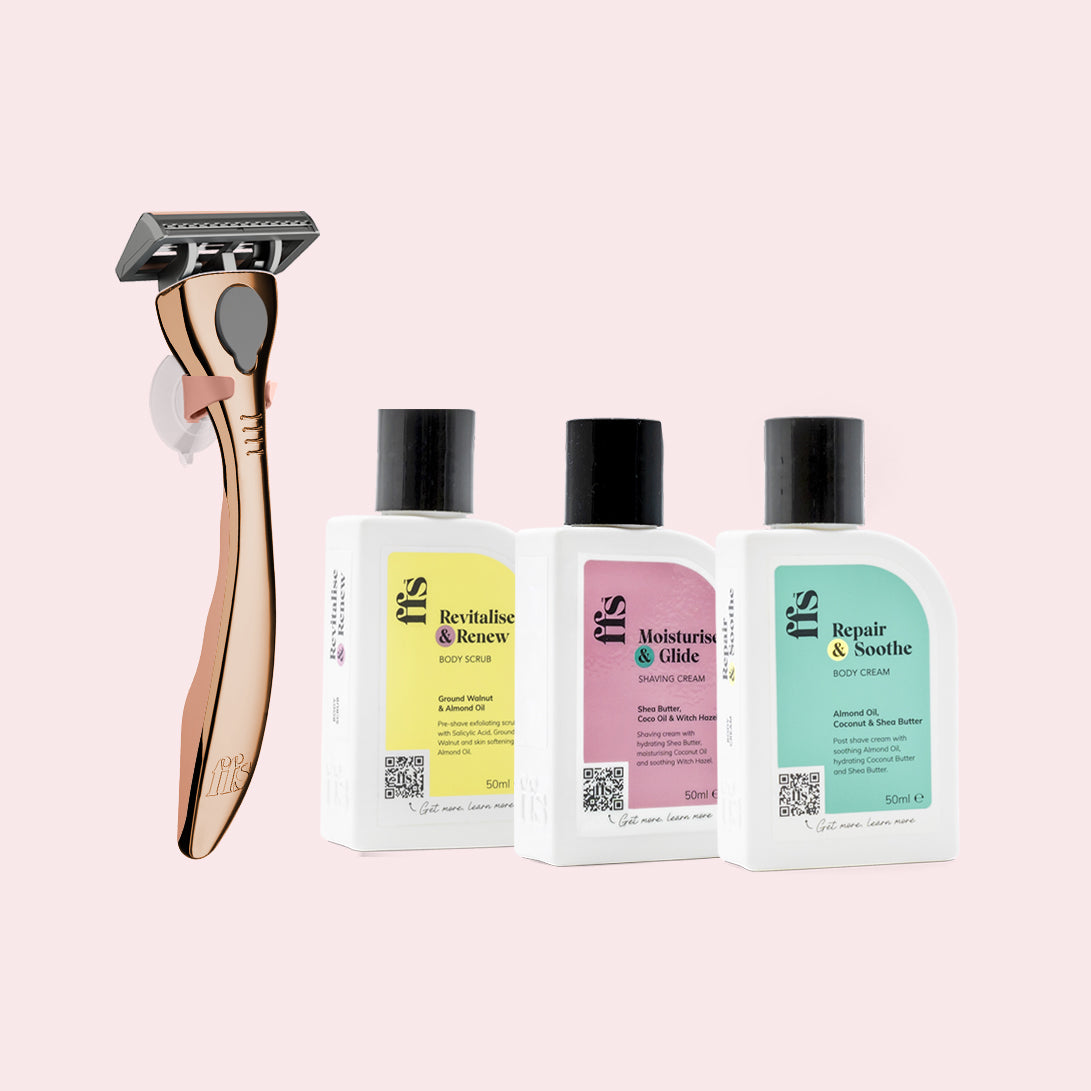
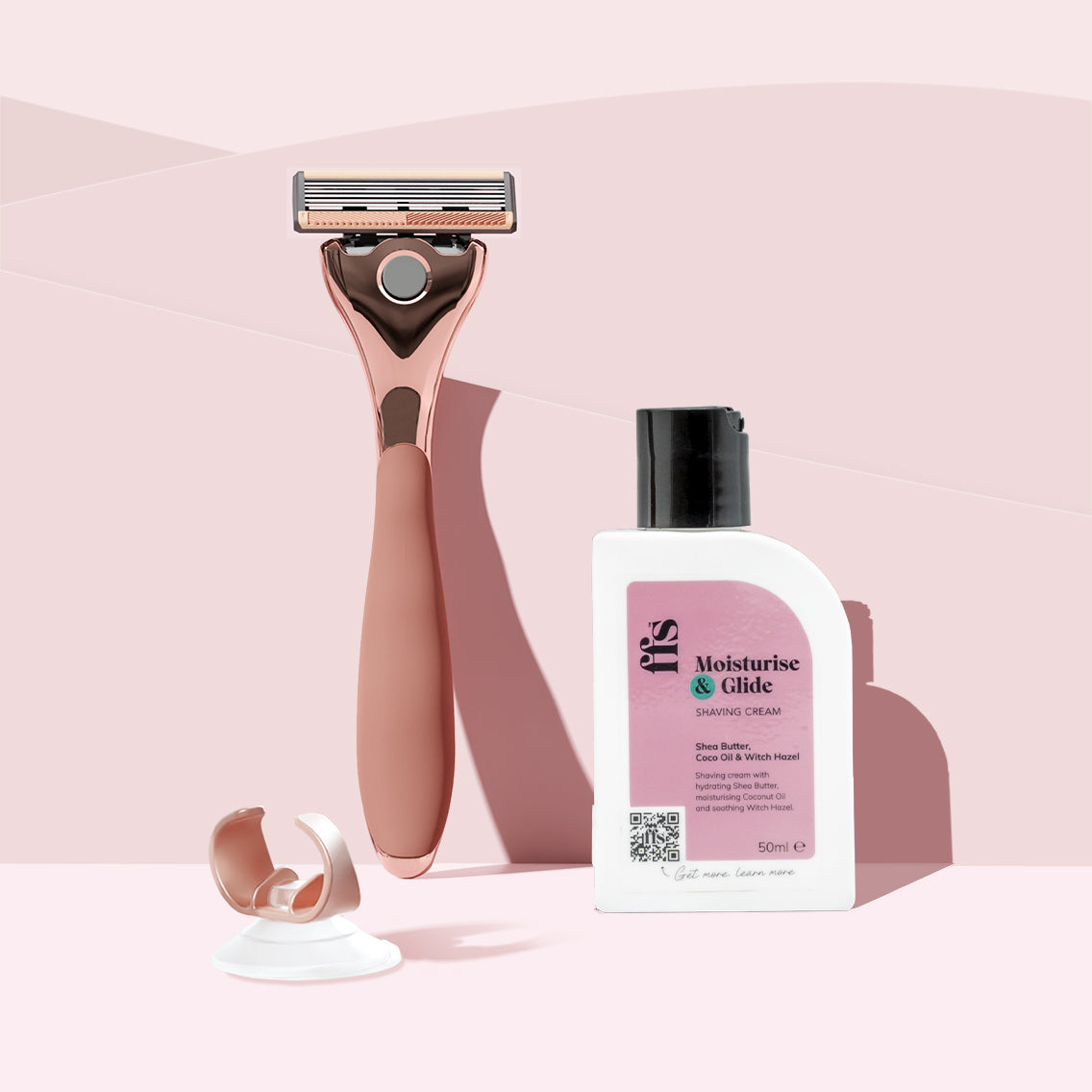
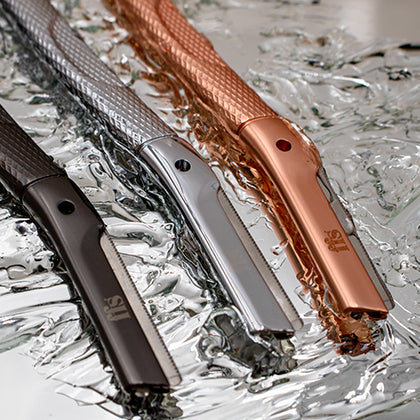
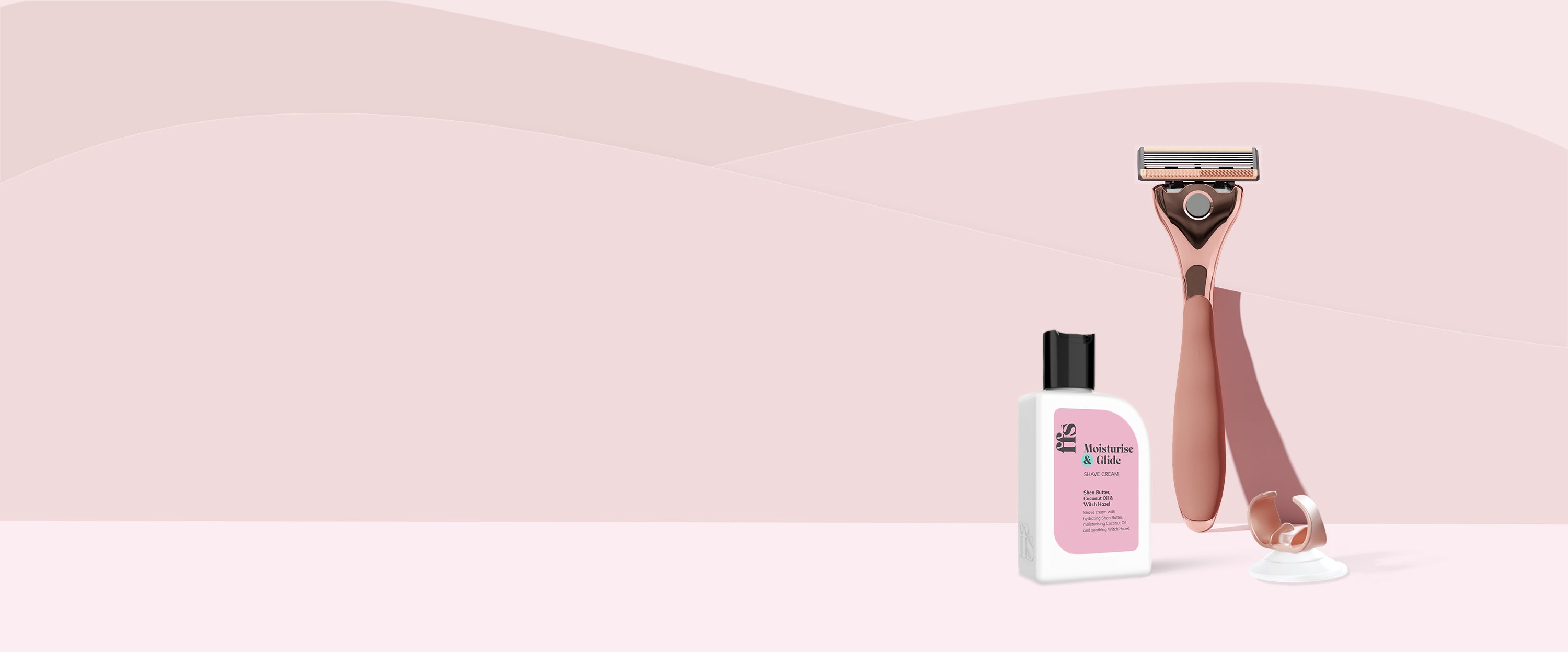
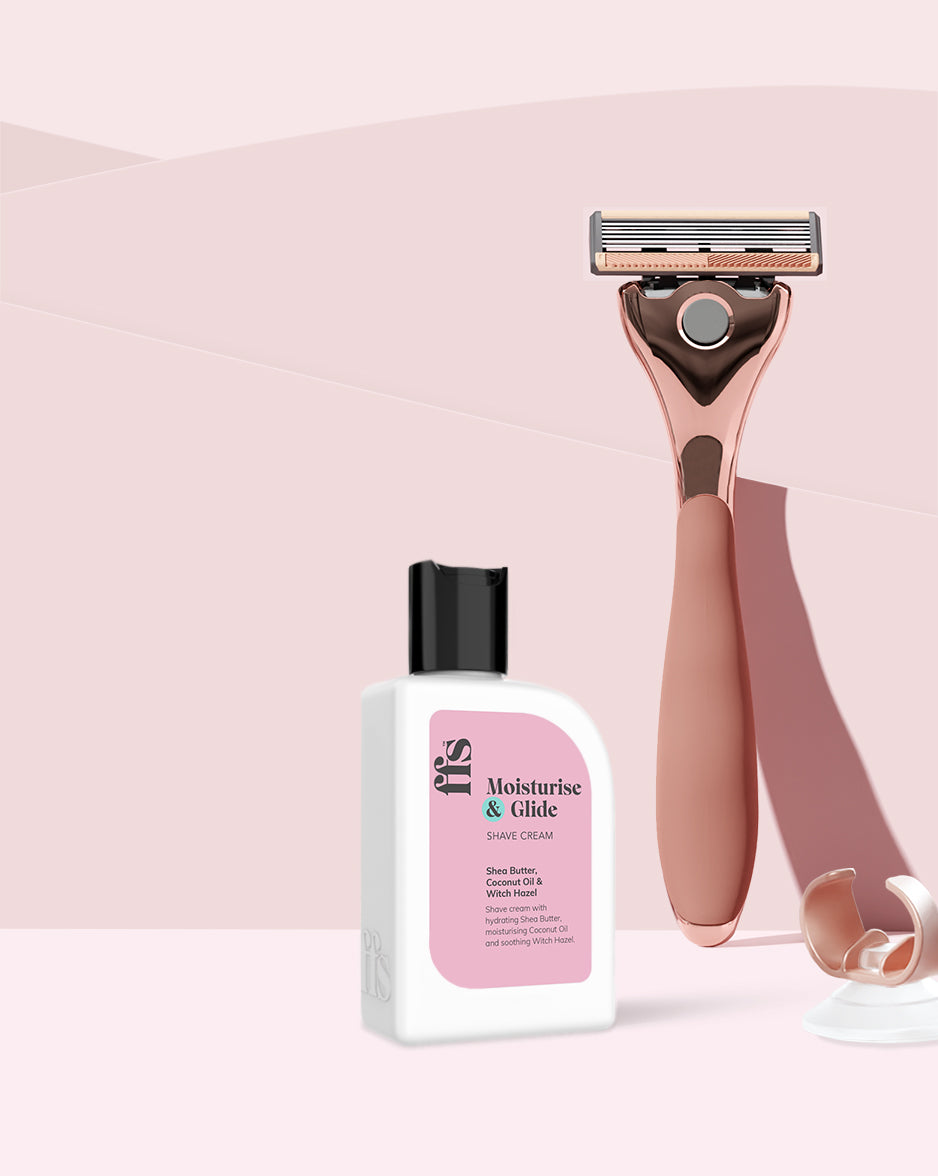

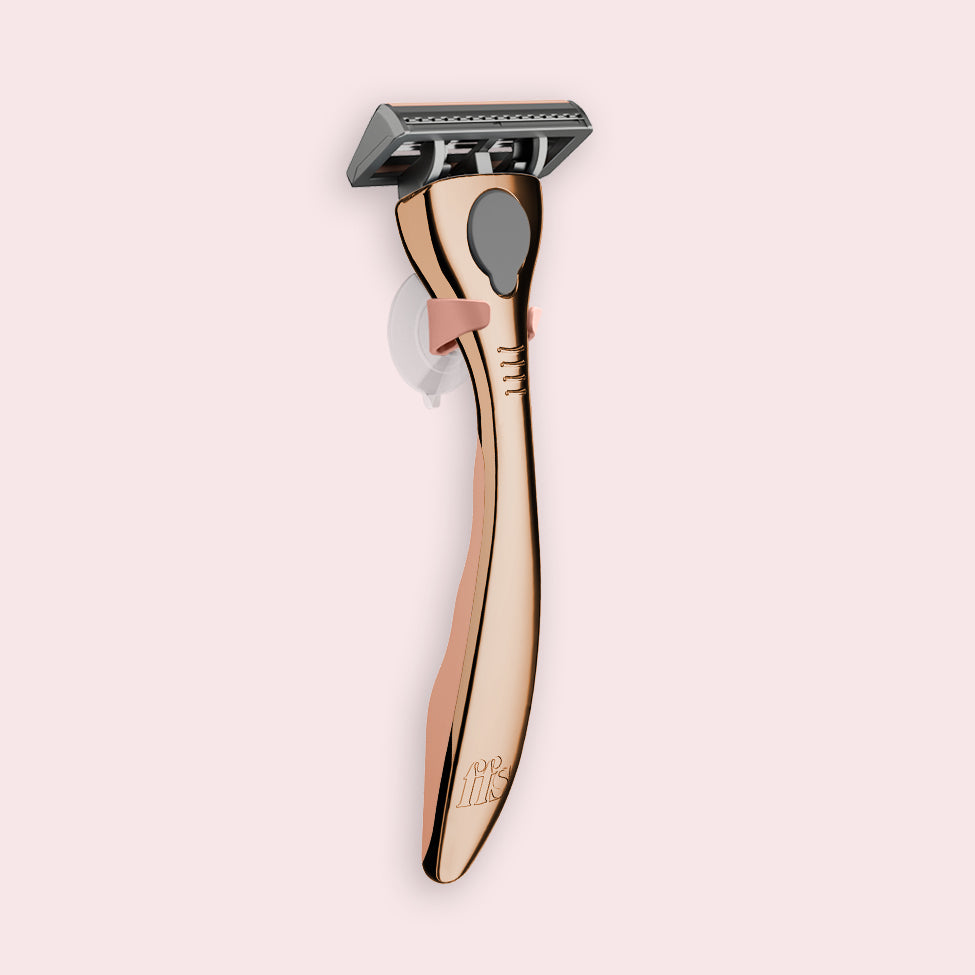
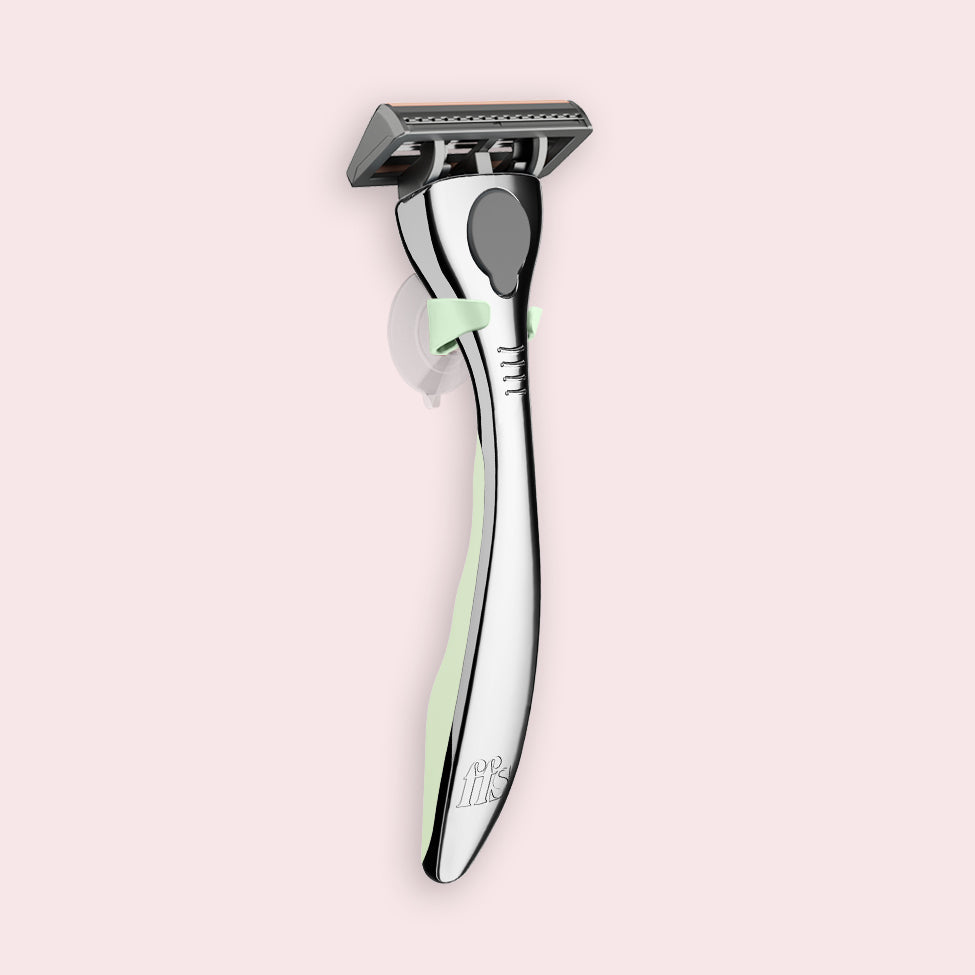
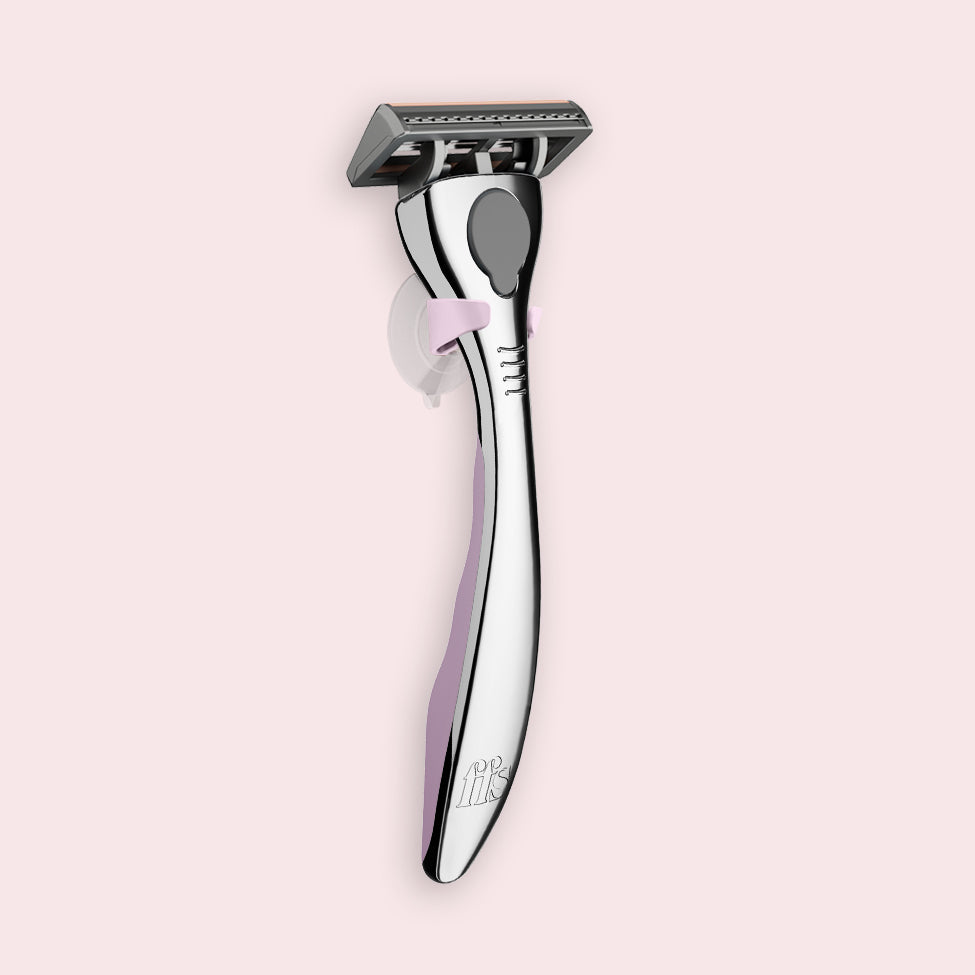
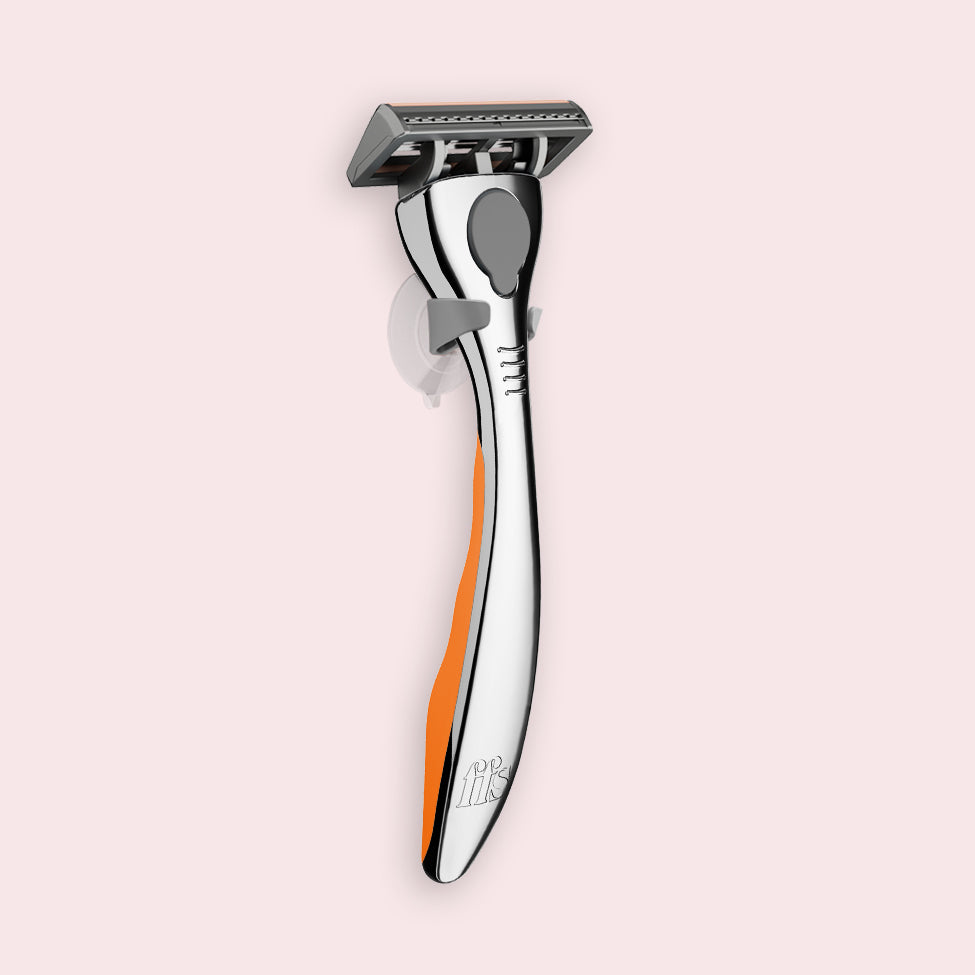
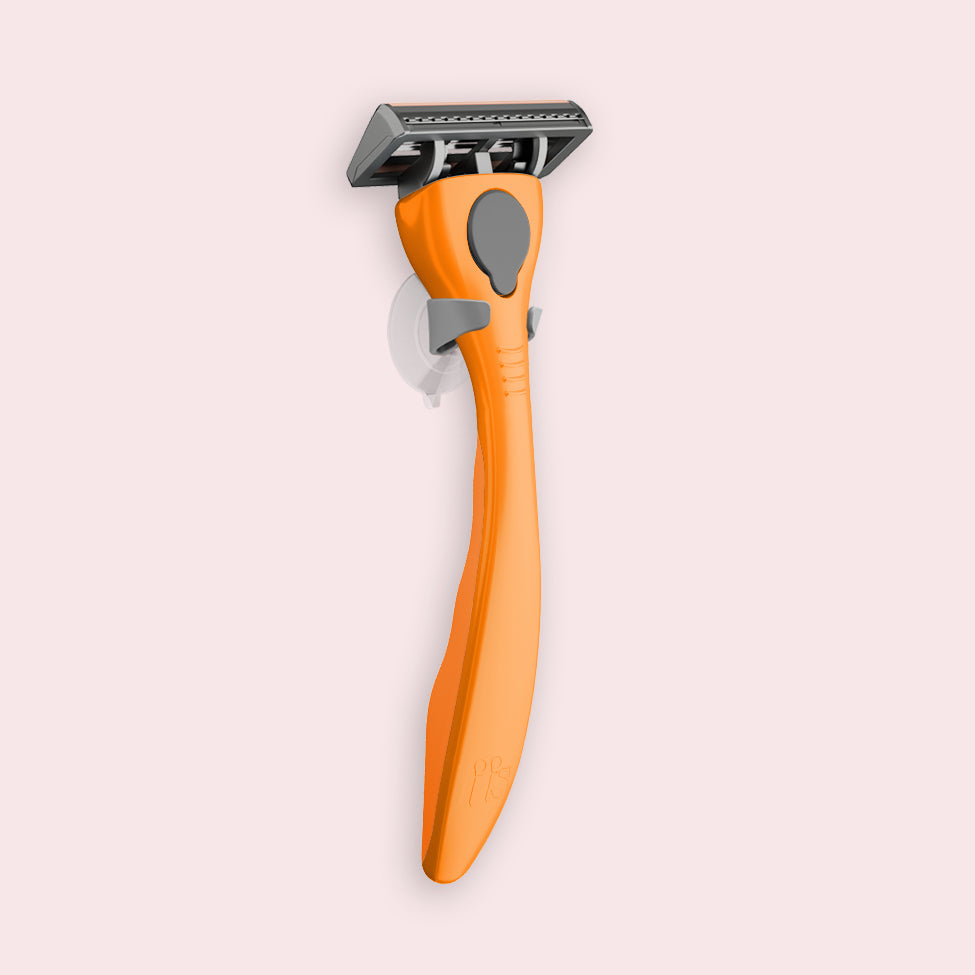
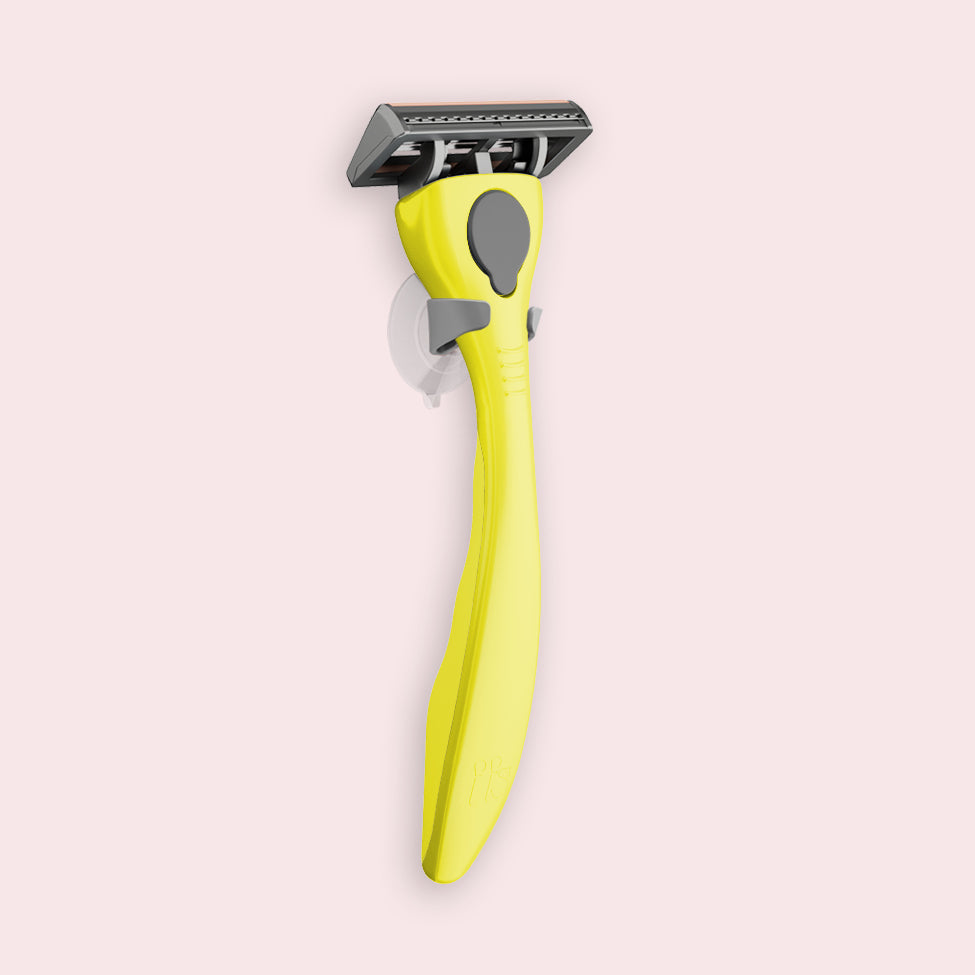
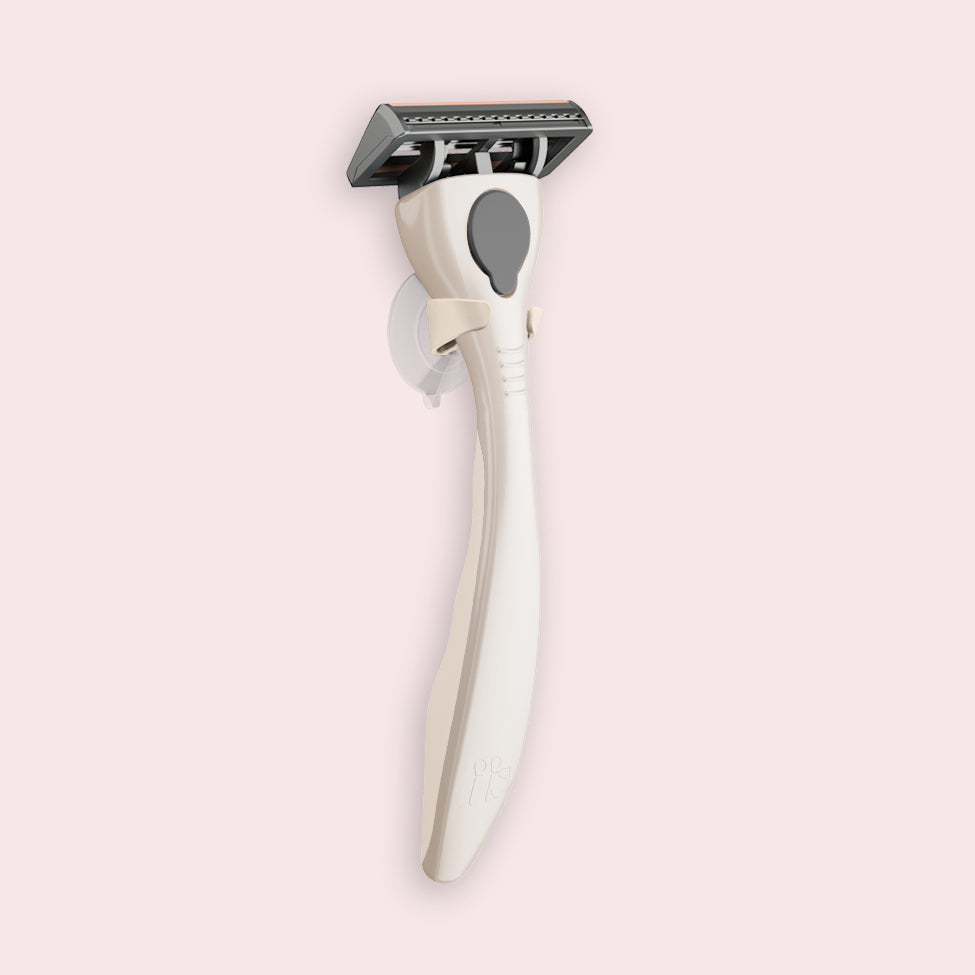


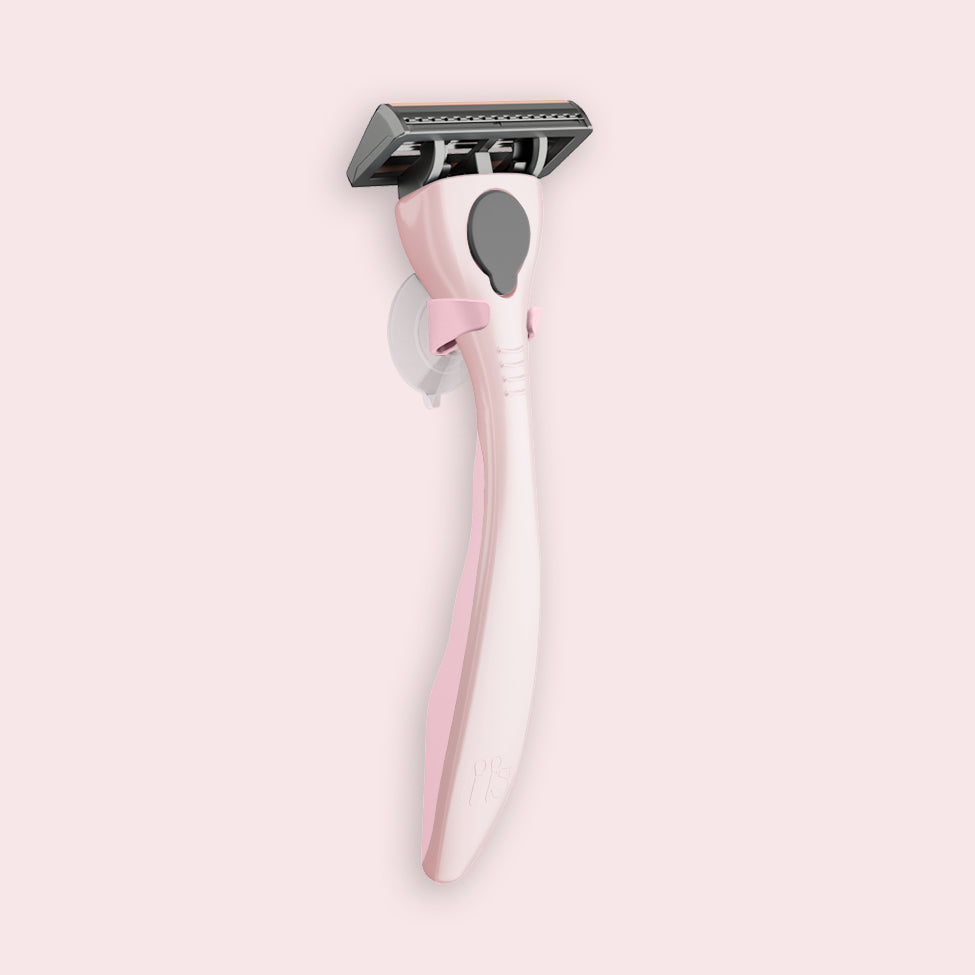


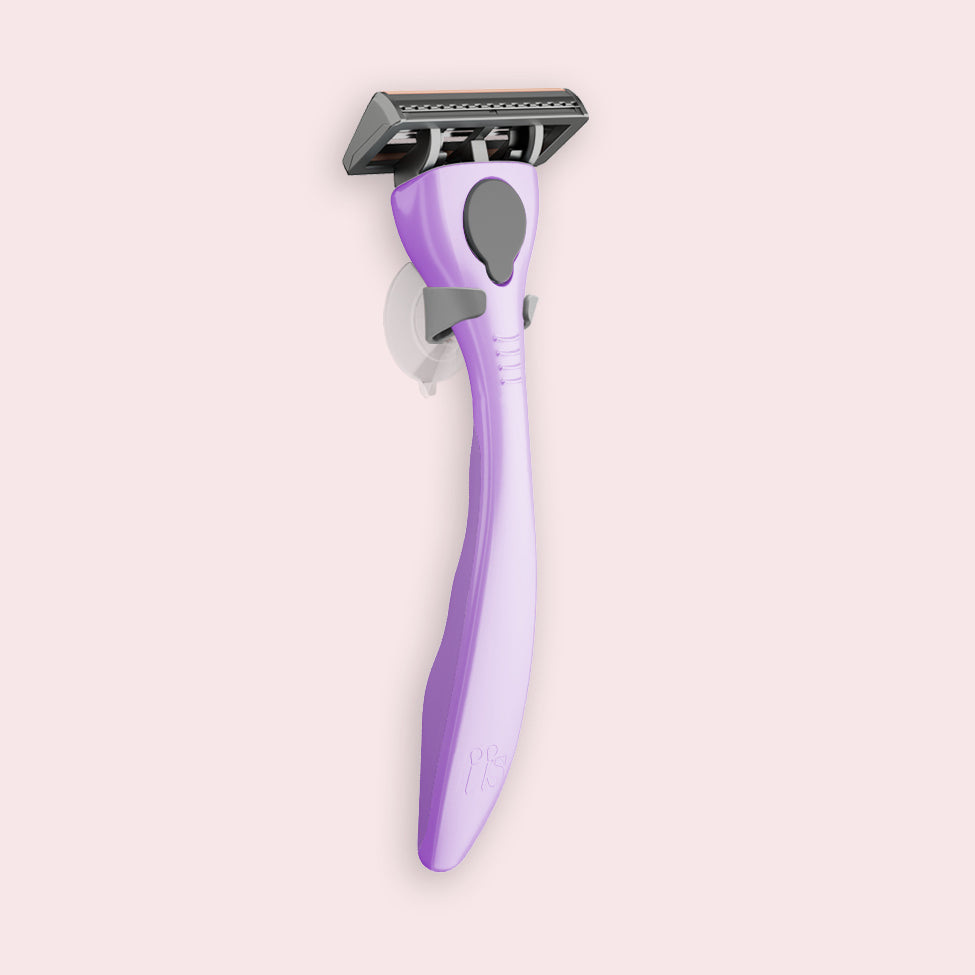


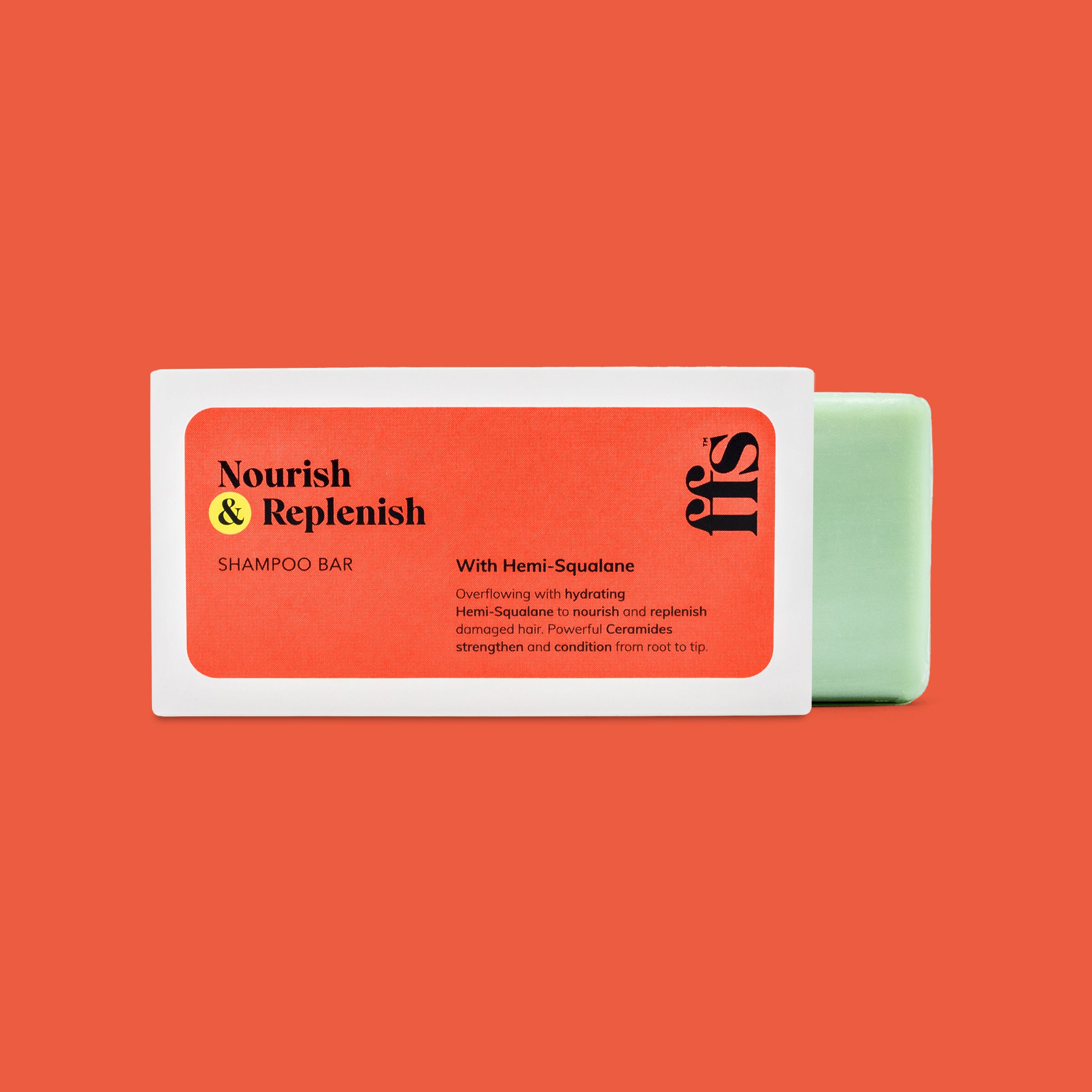

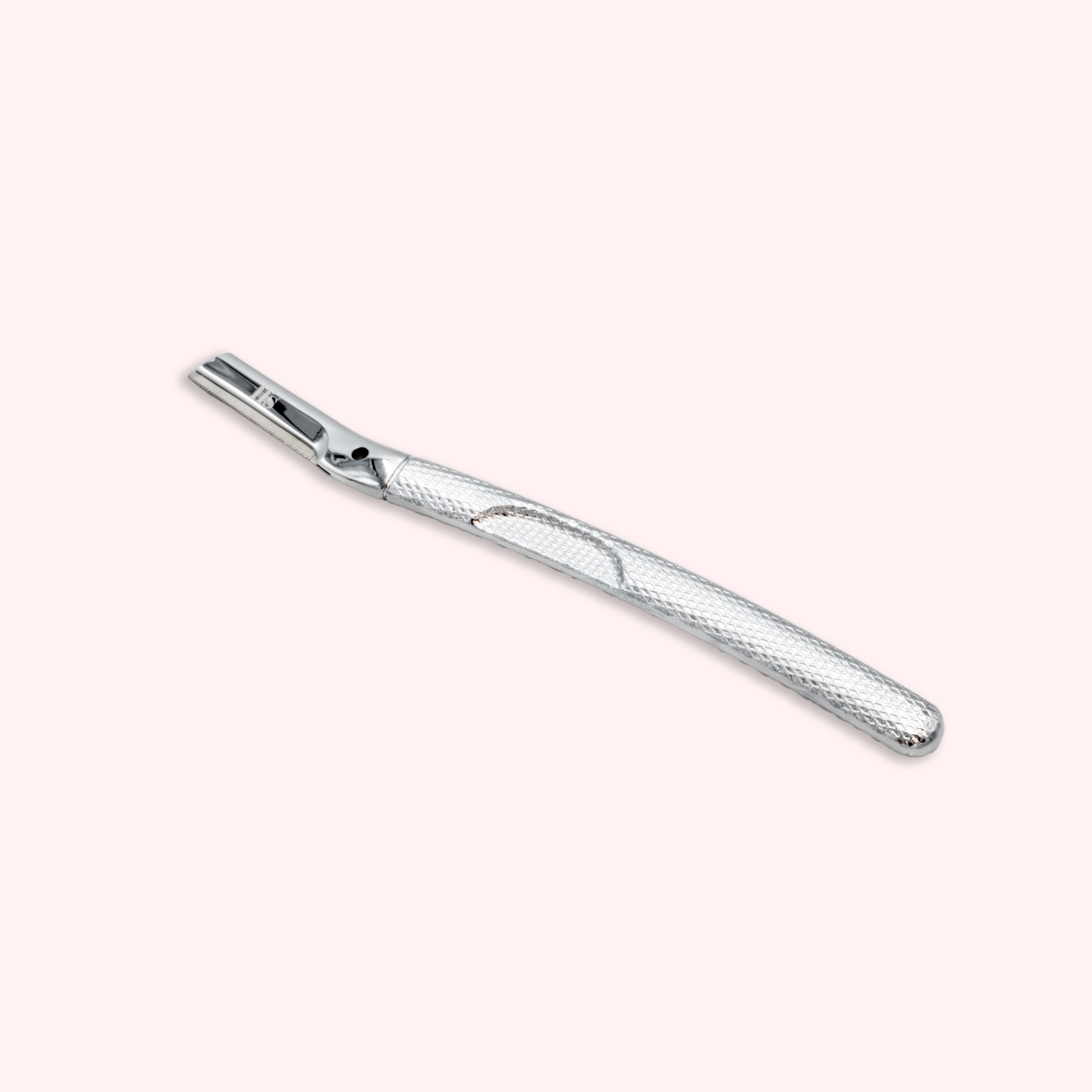
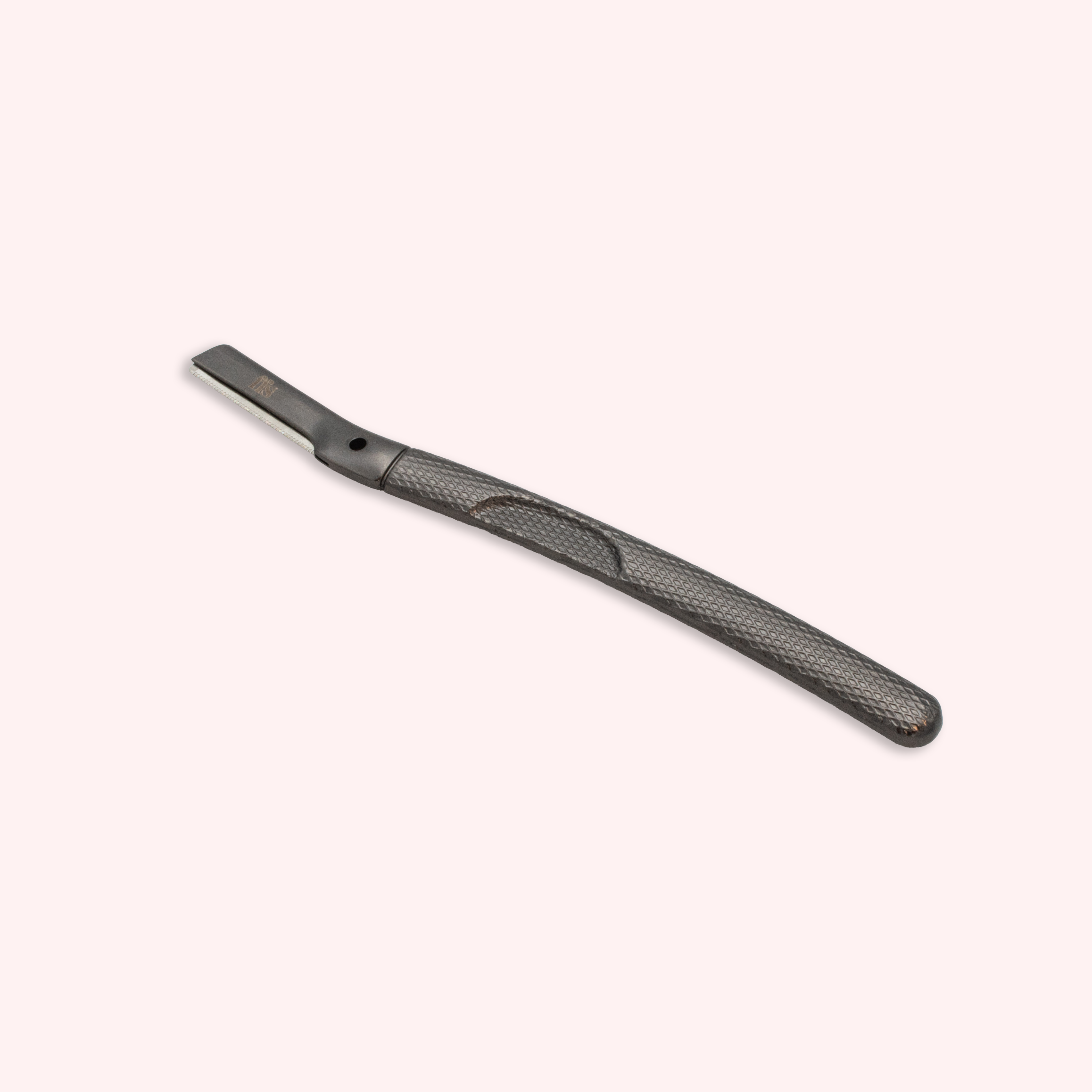
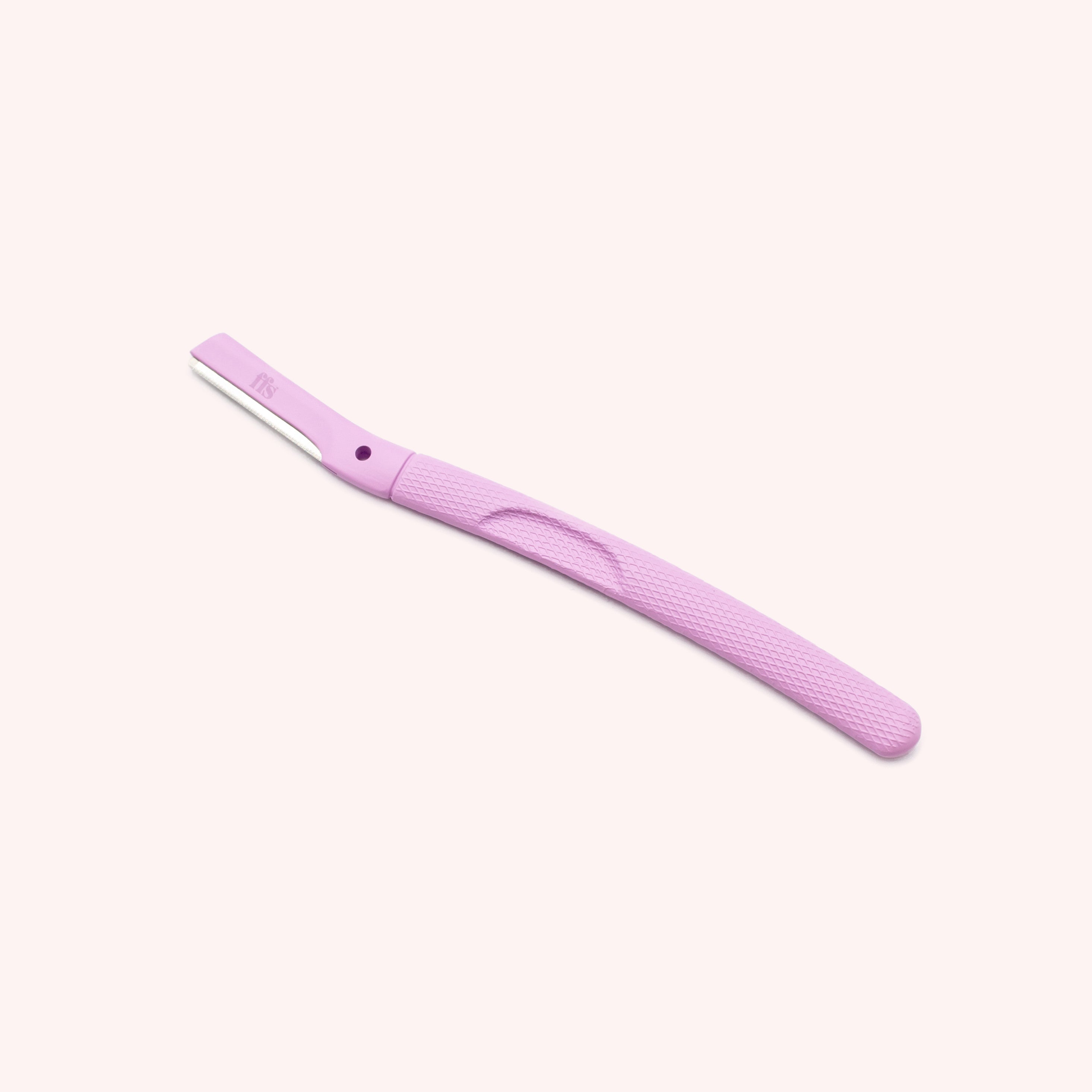
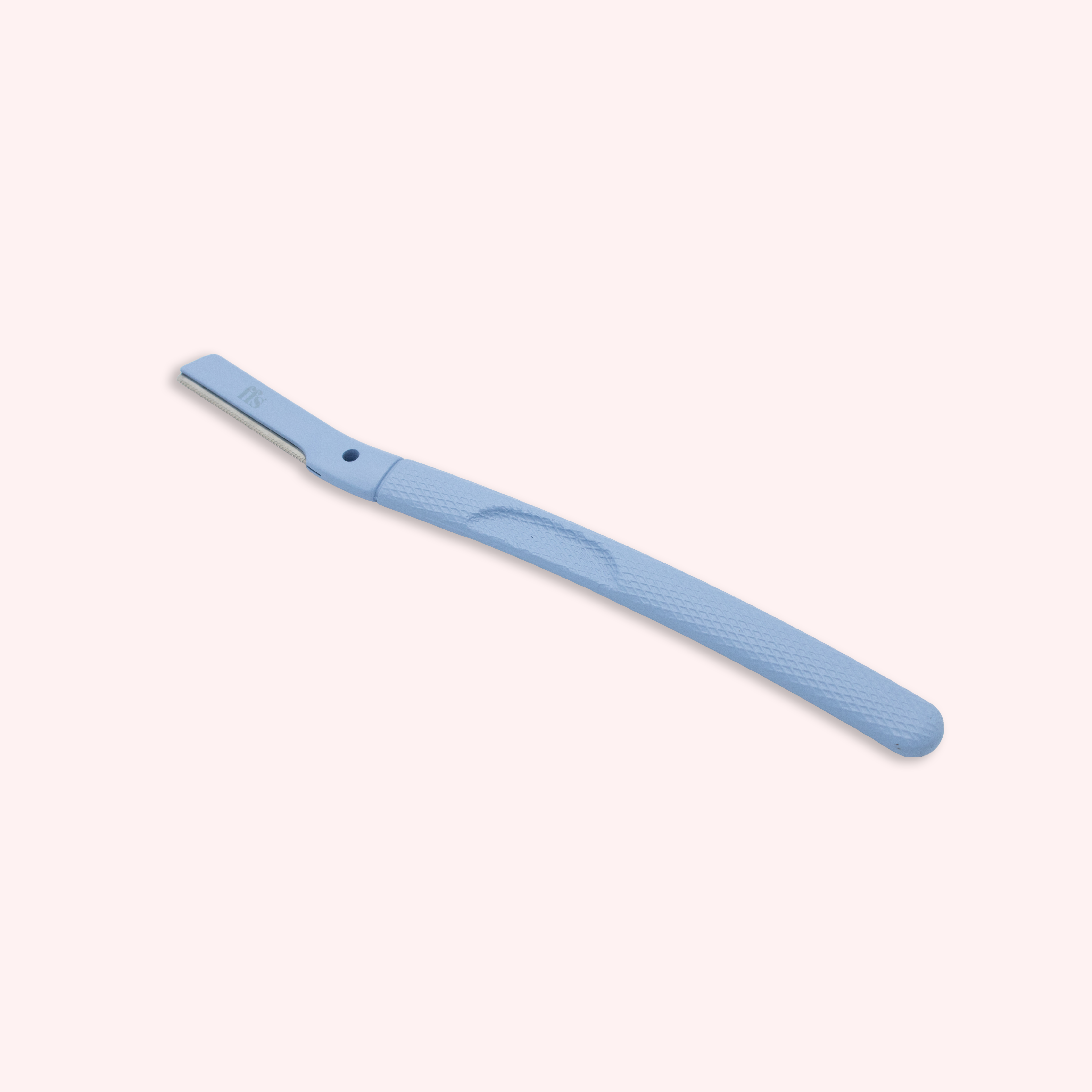
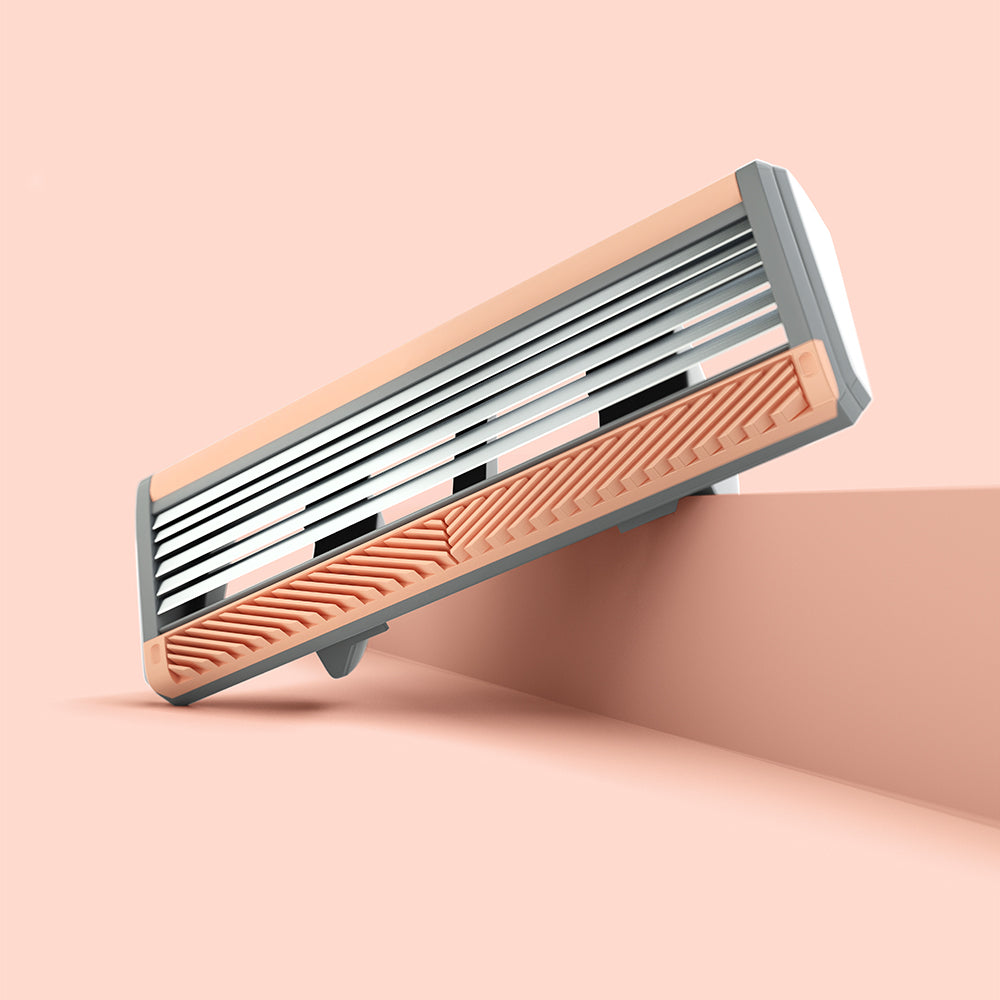
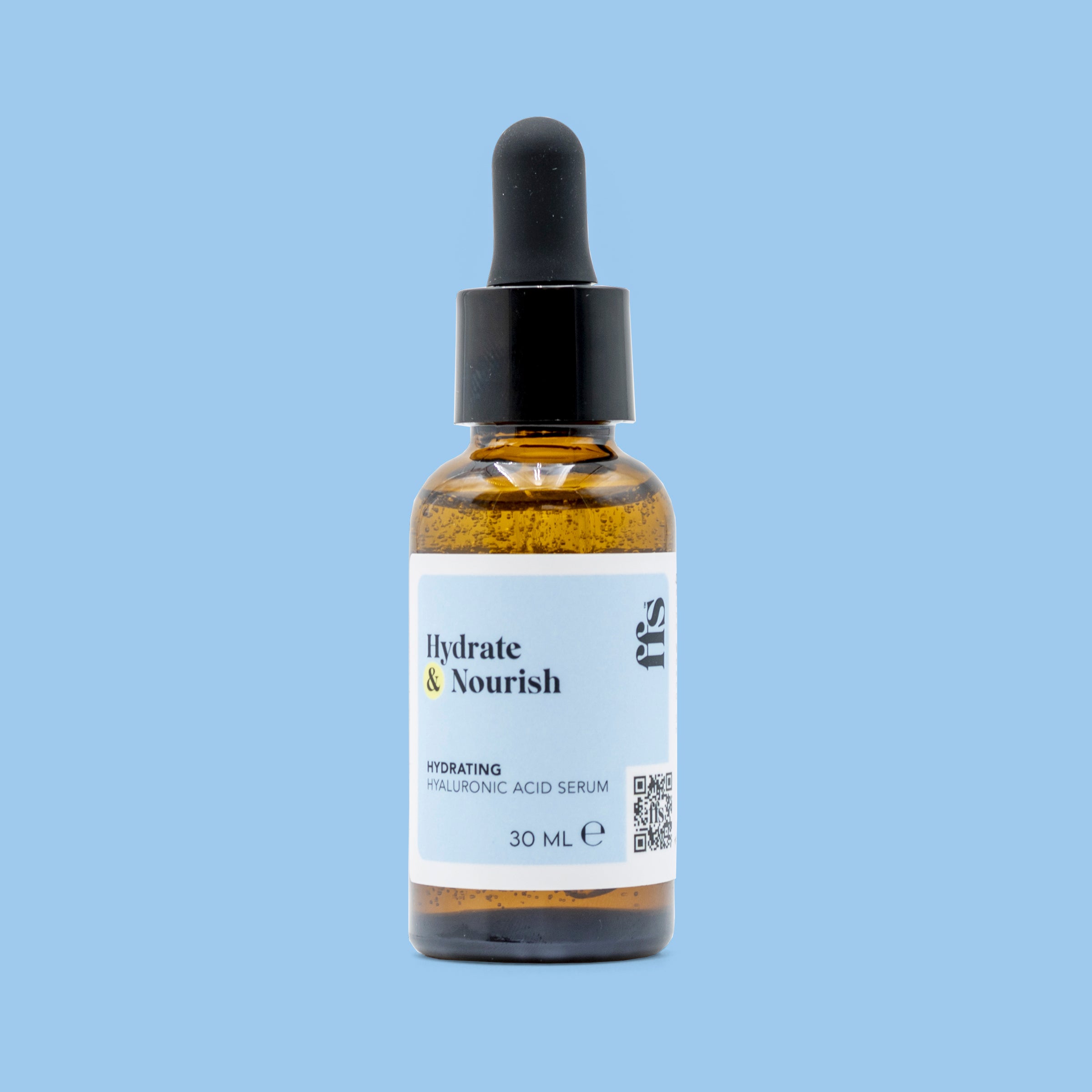
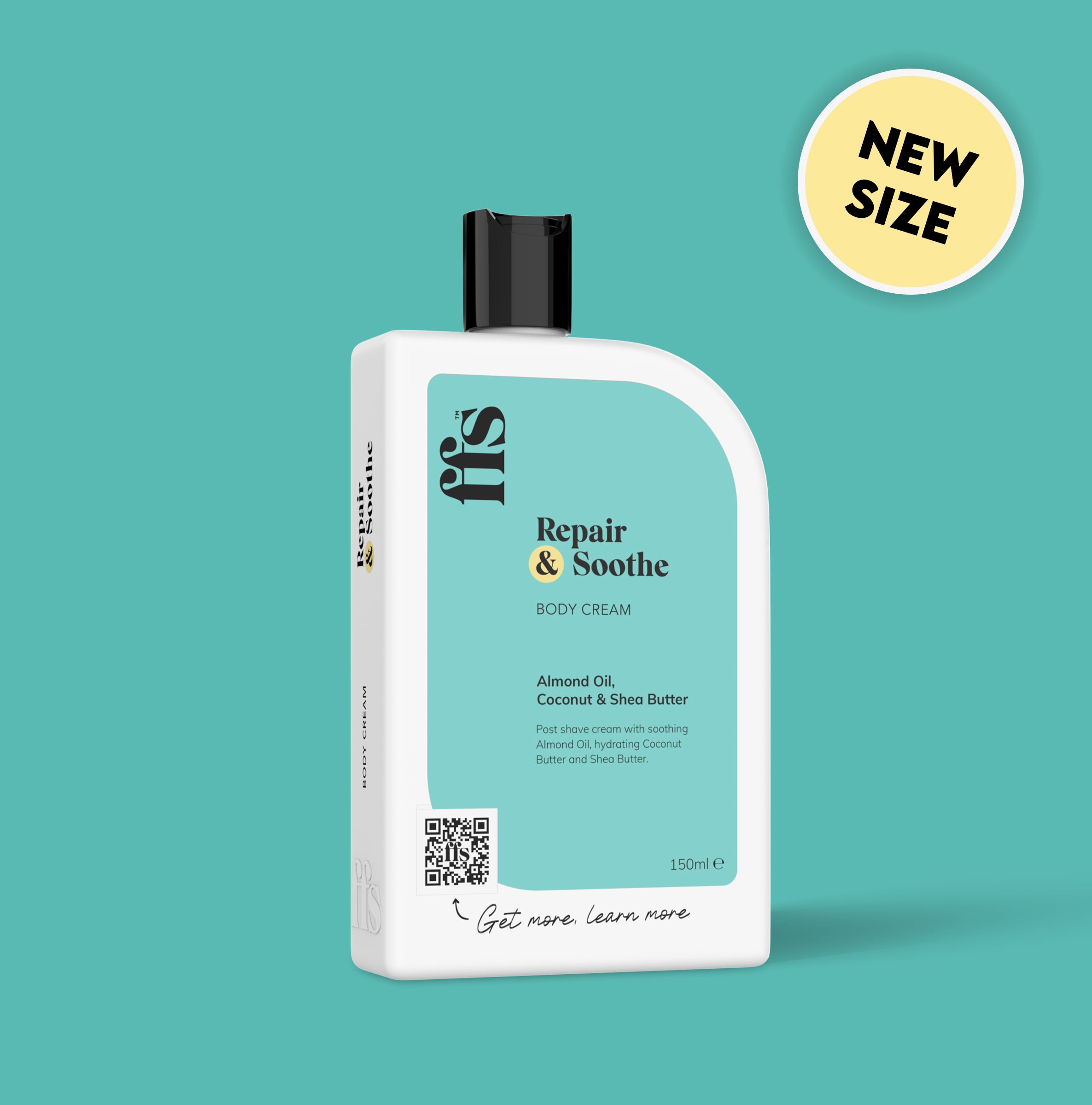

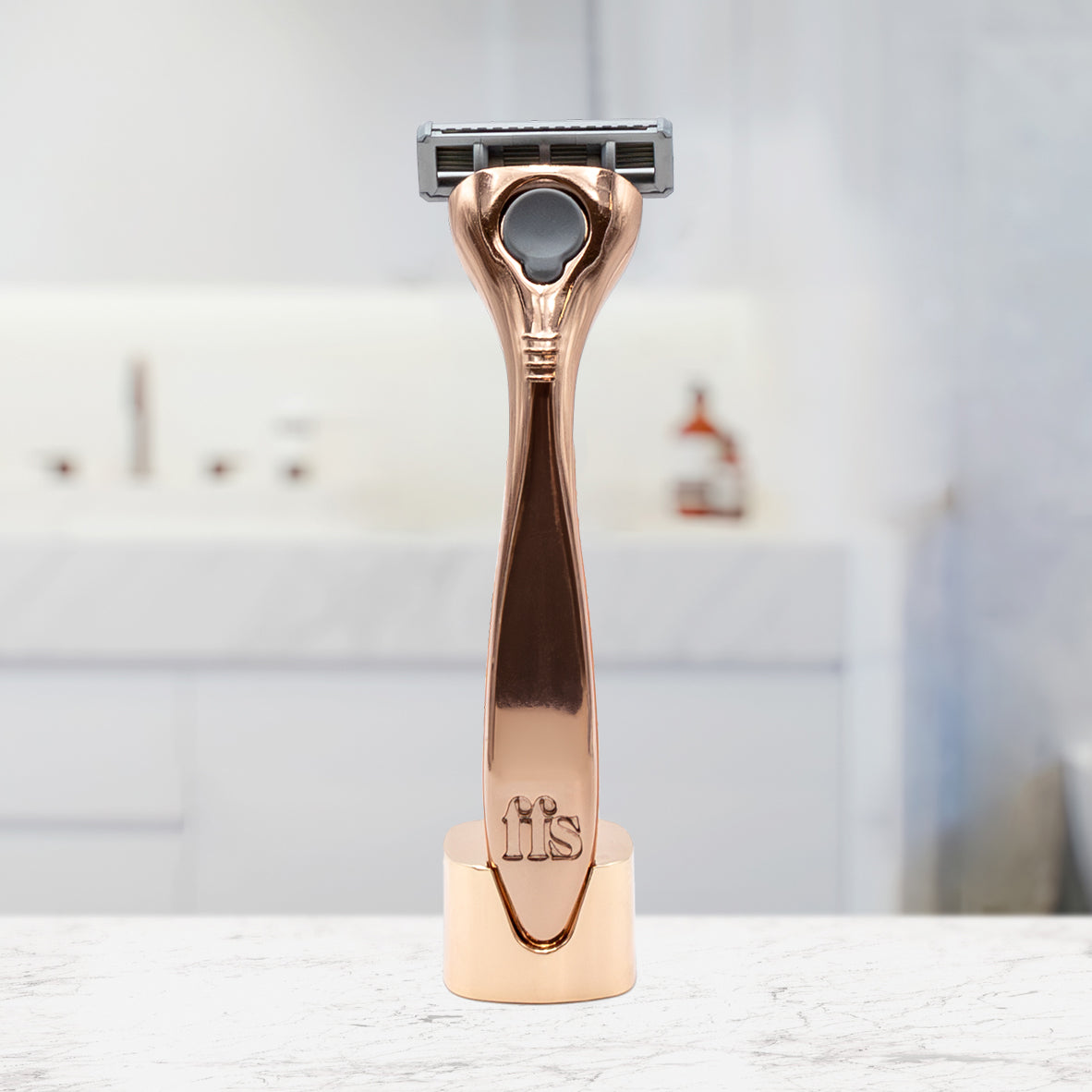
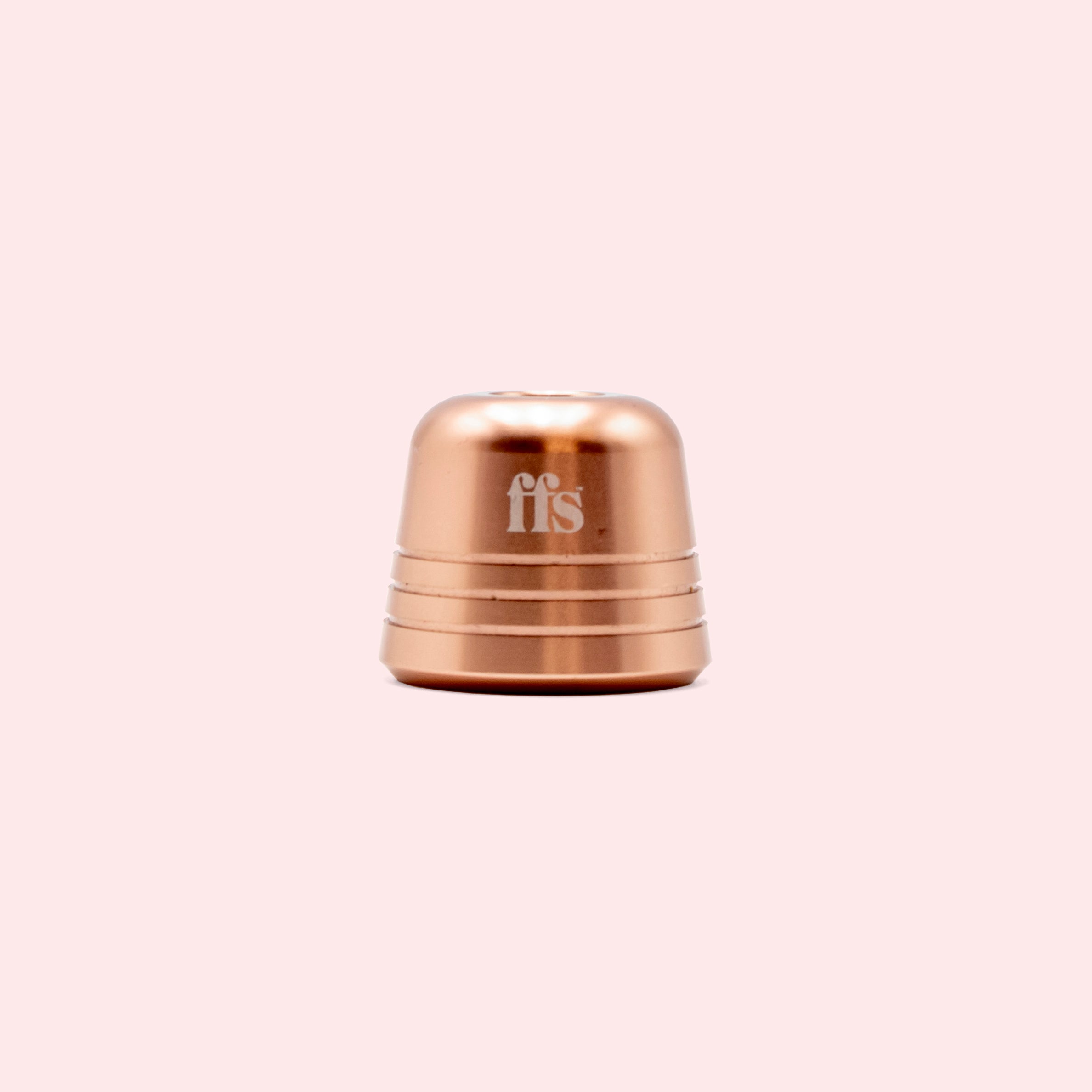
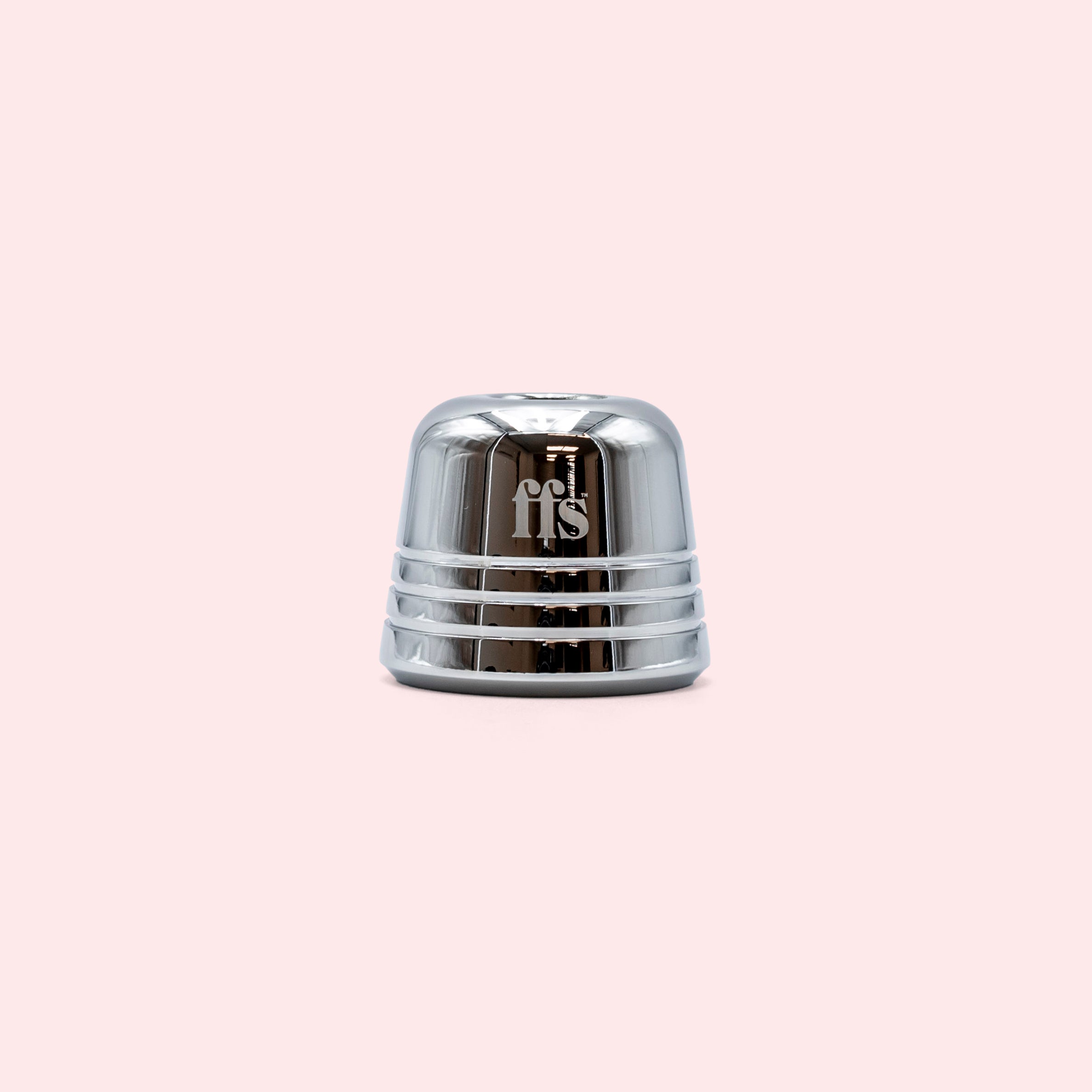
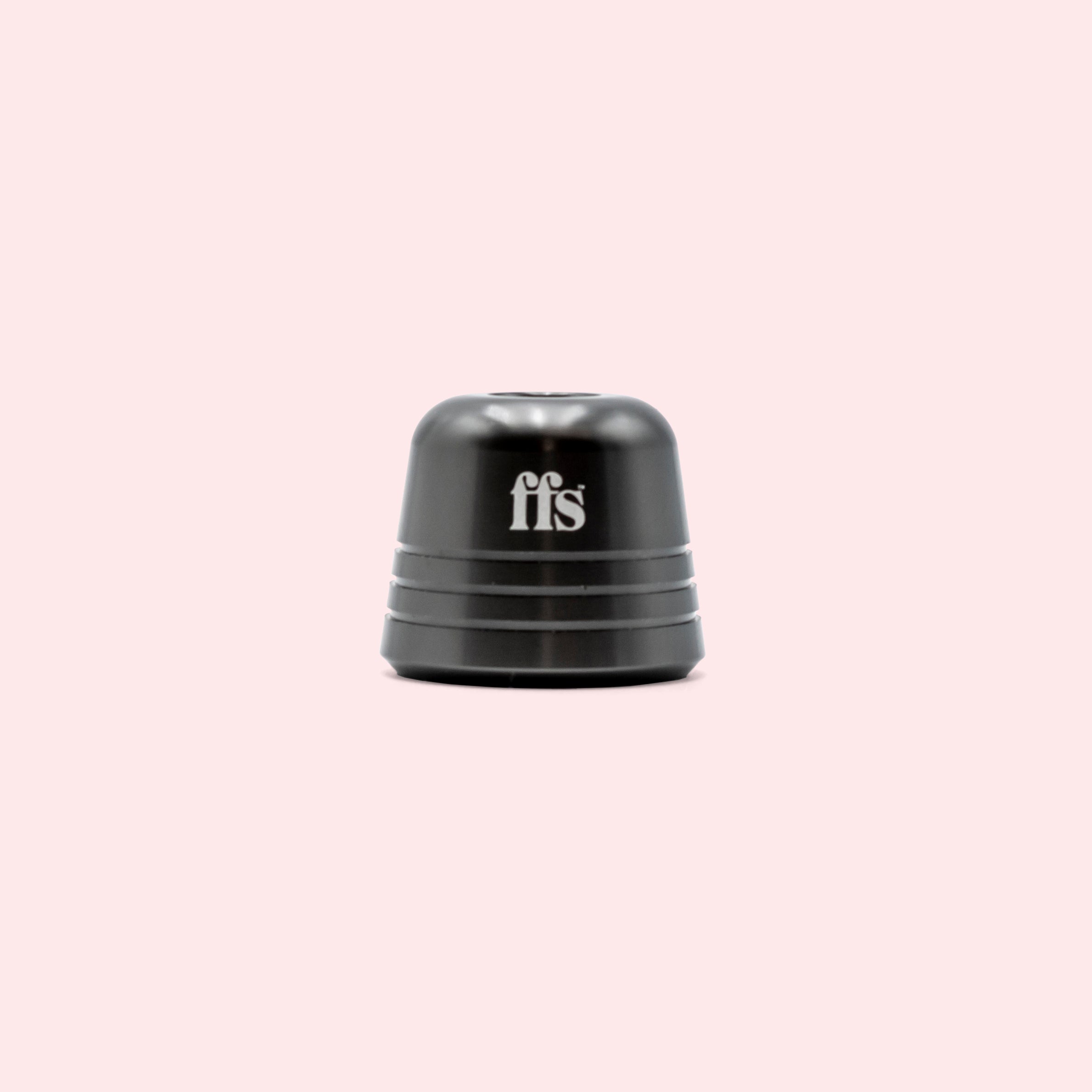
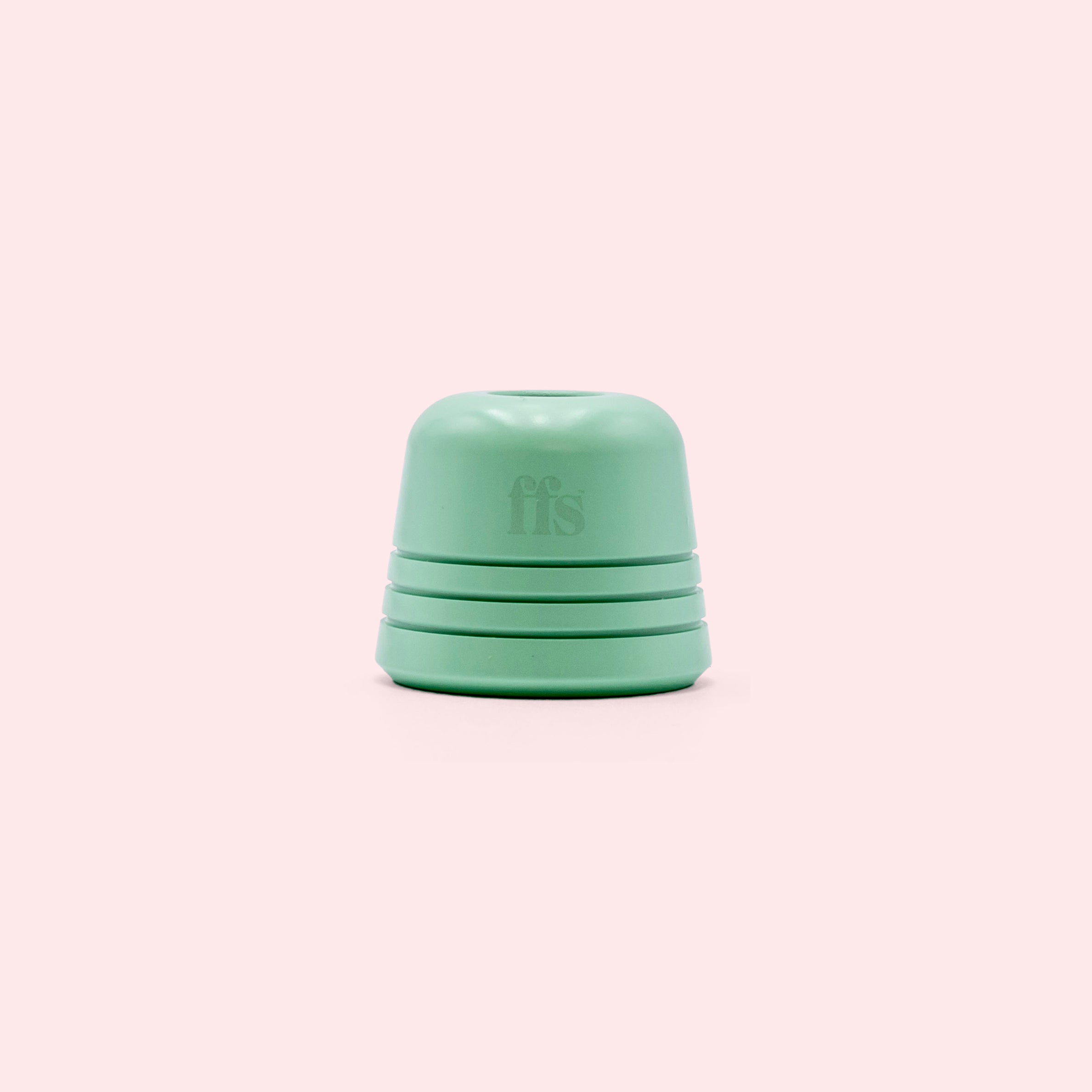

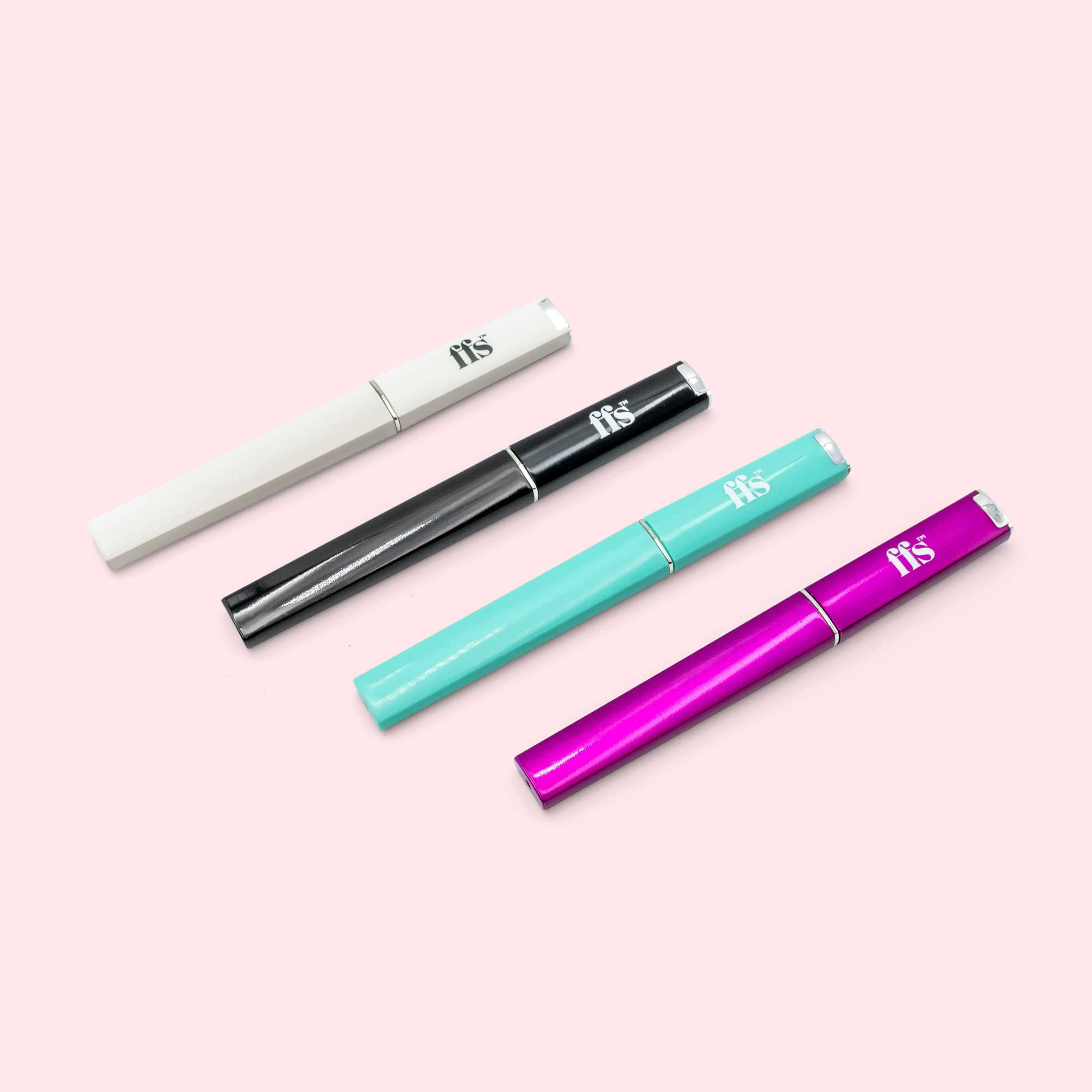
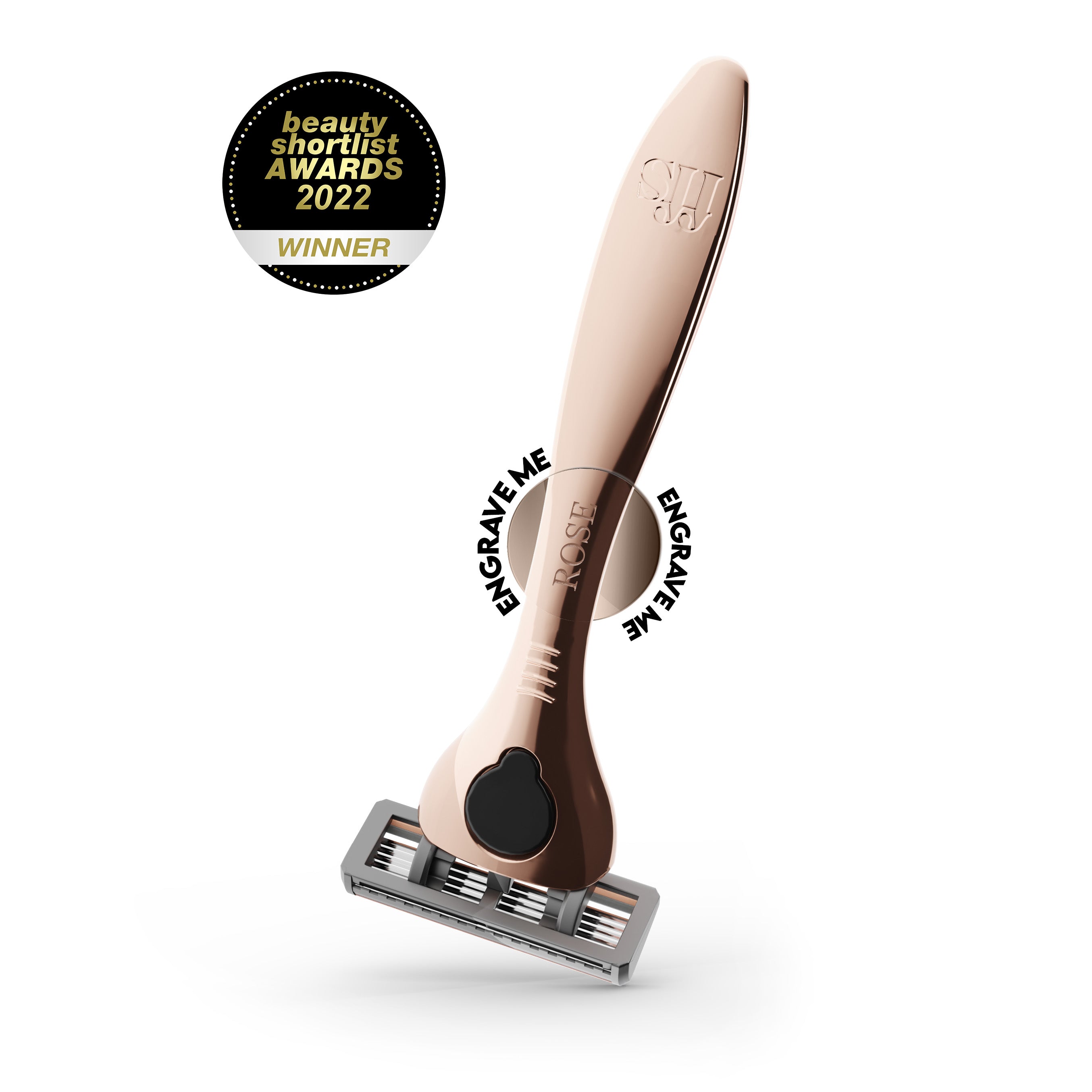
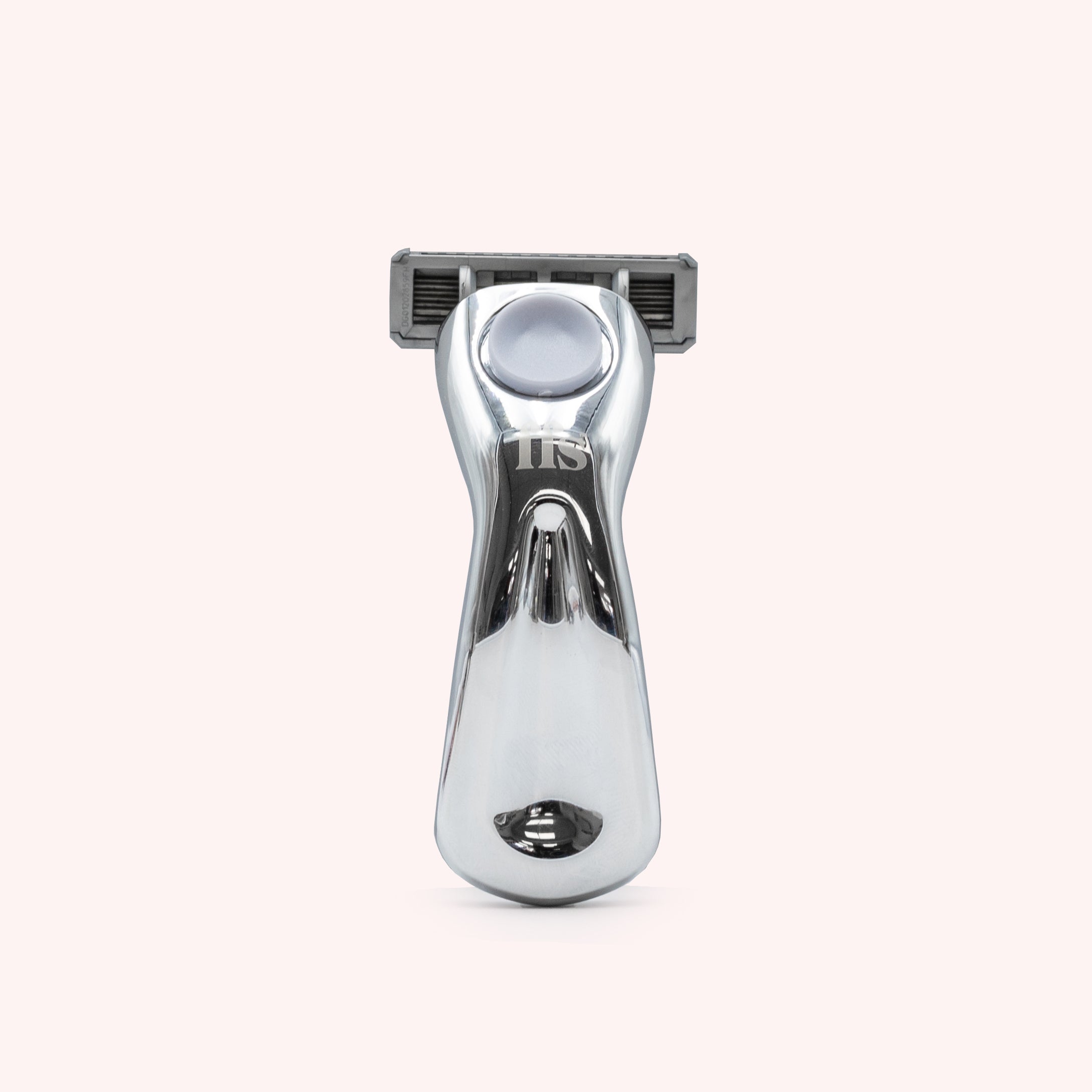
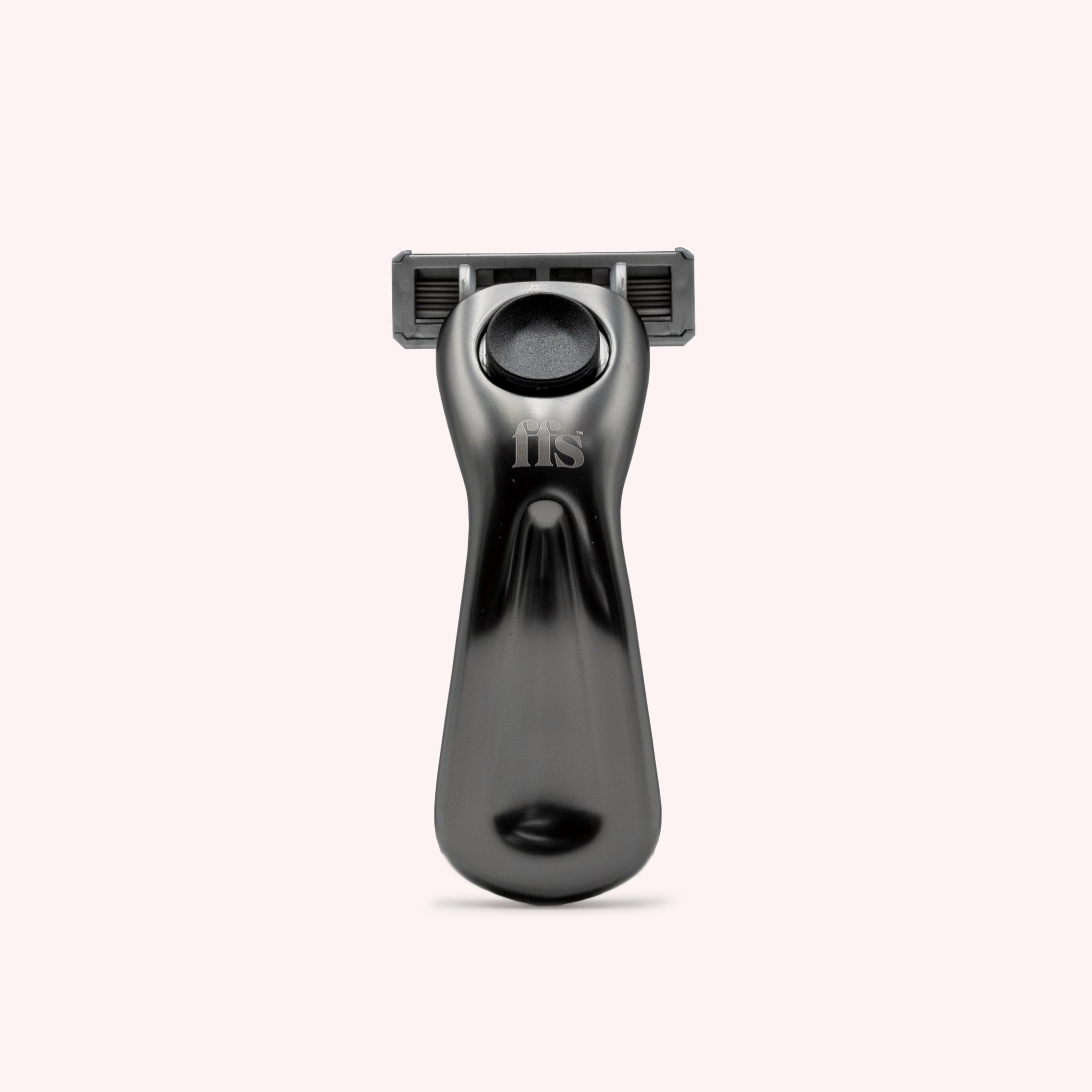
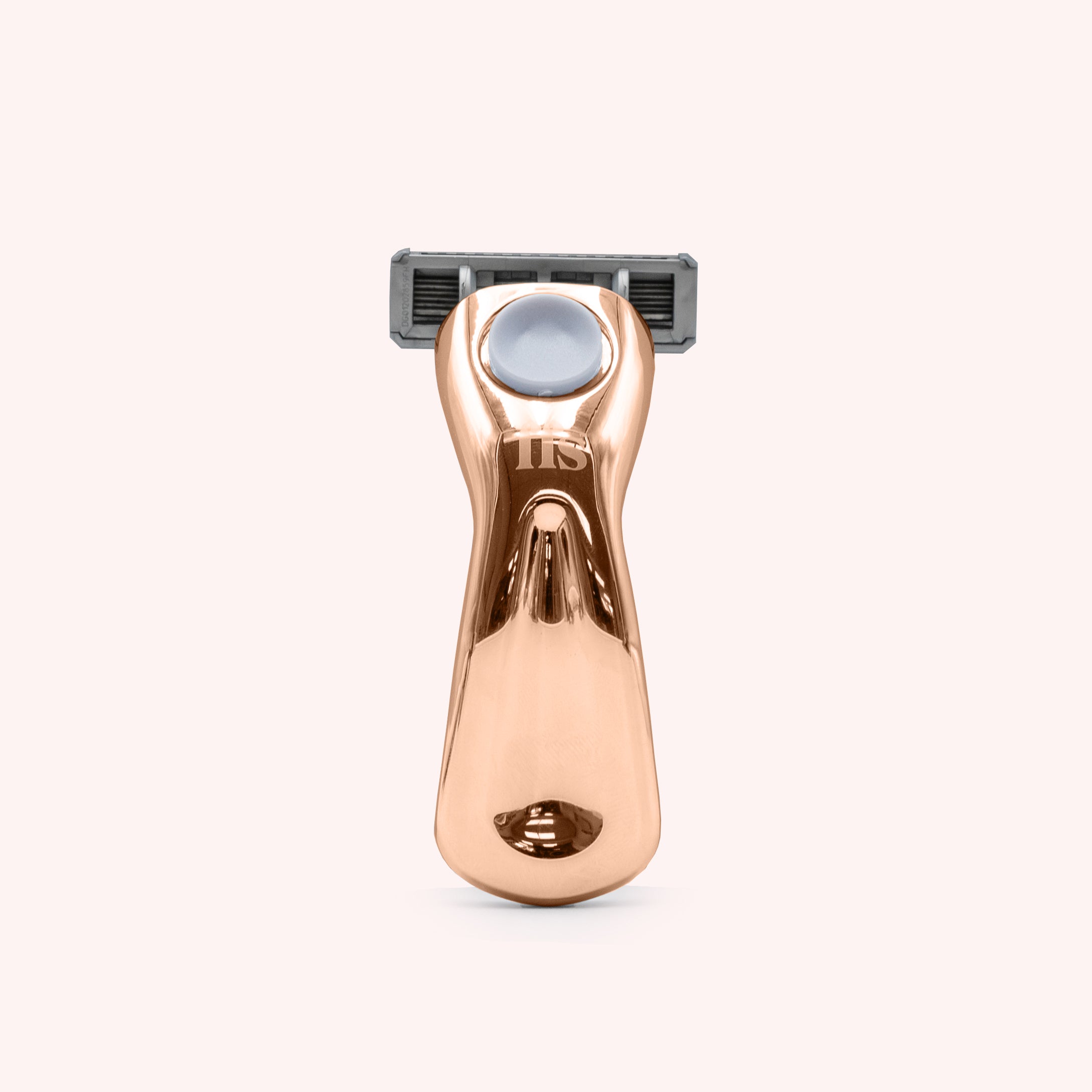
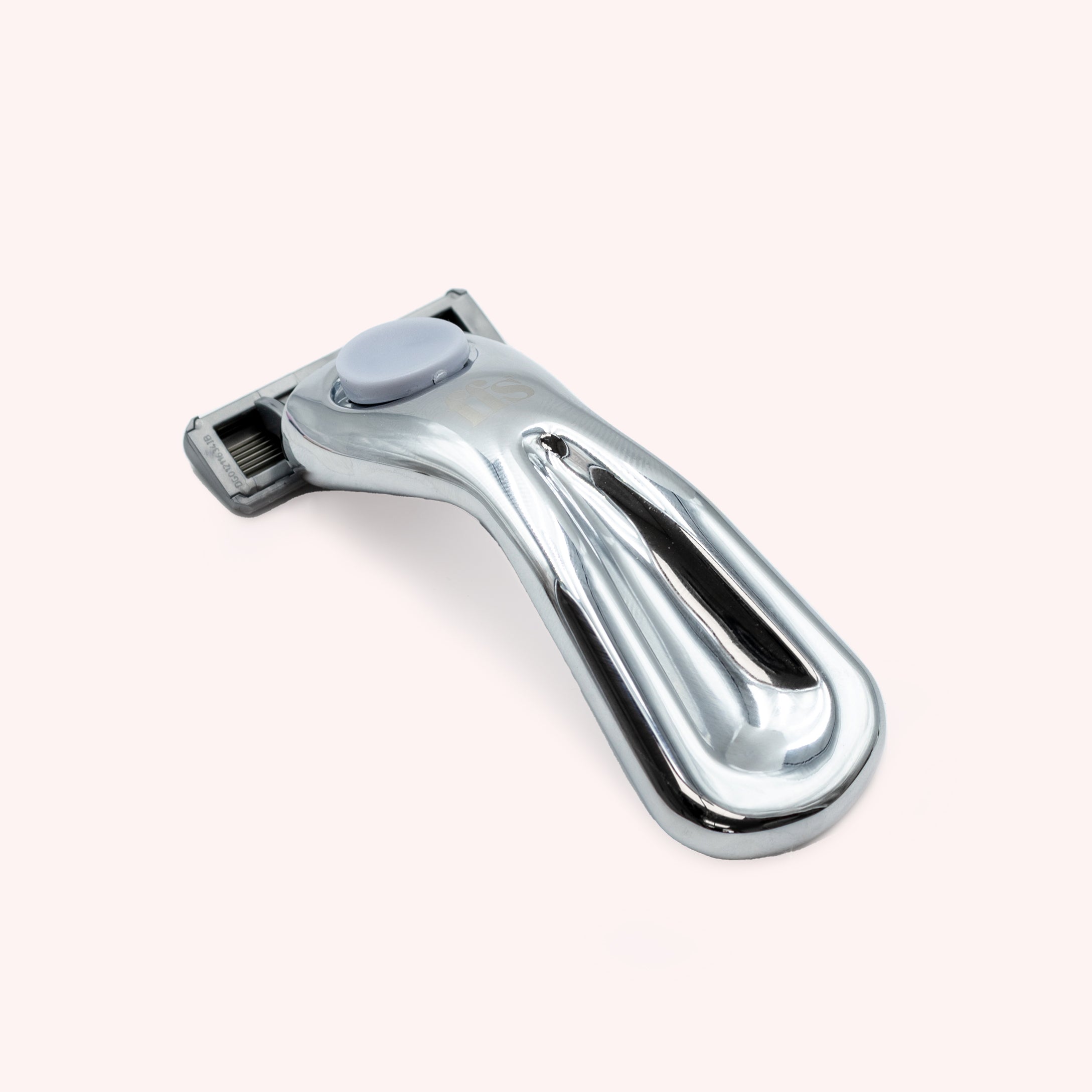
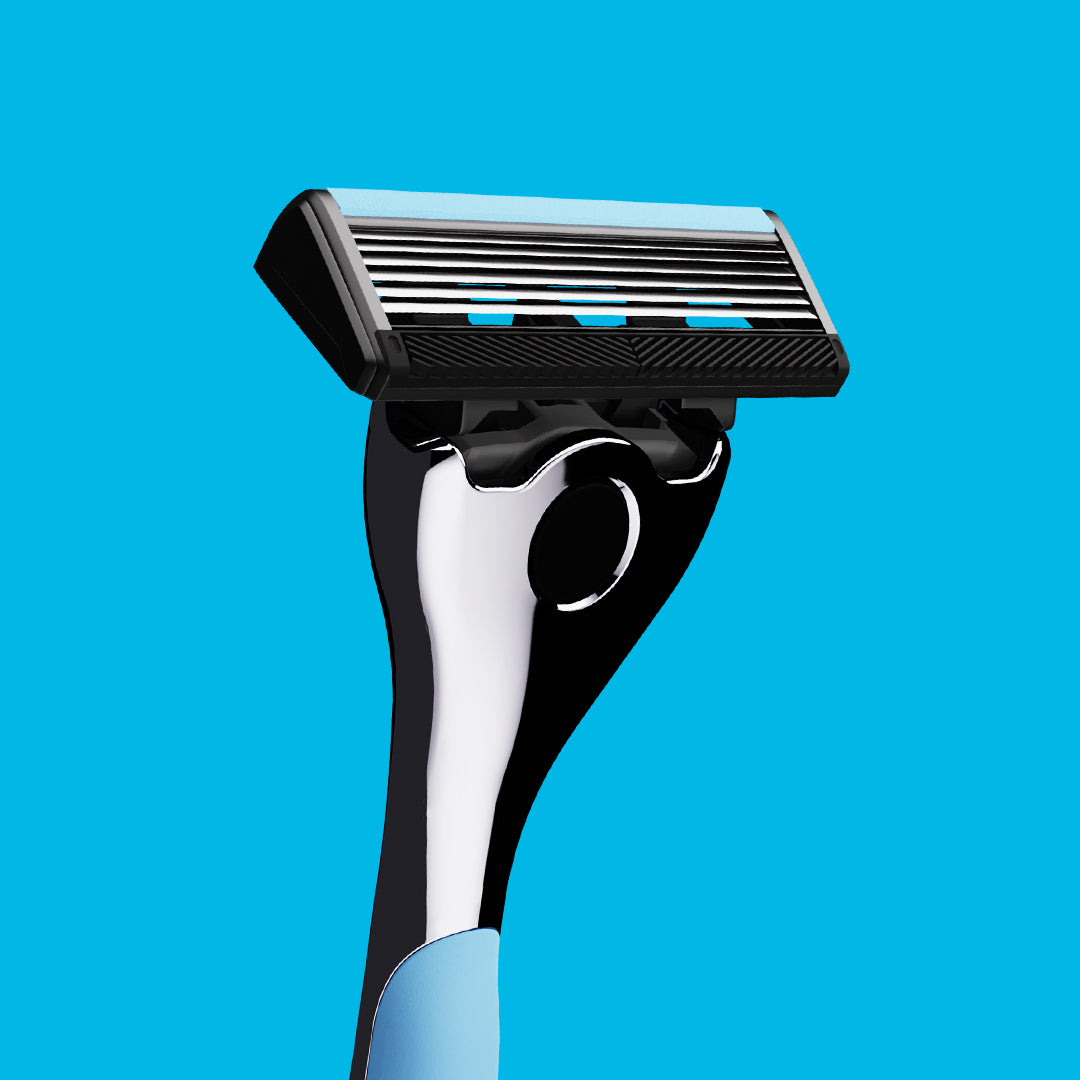
The UK's first multi award-winning razor for women
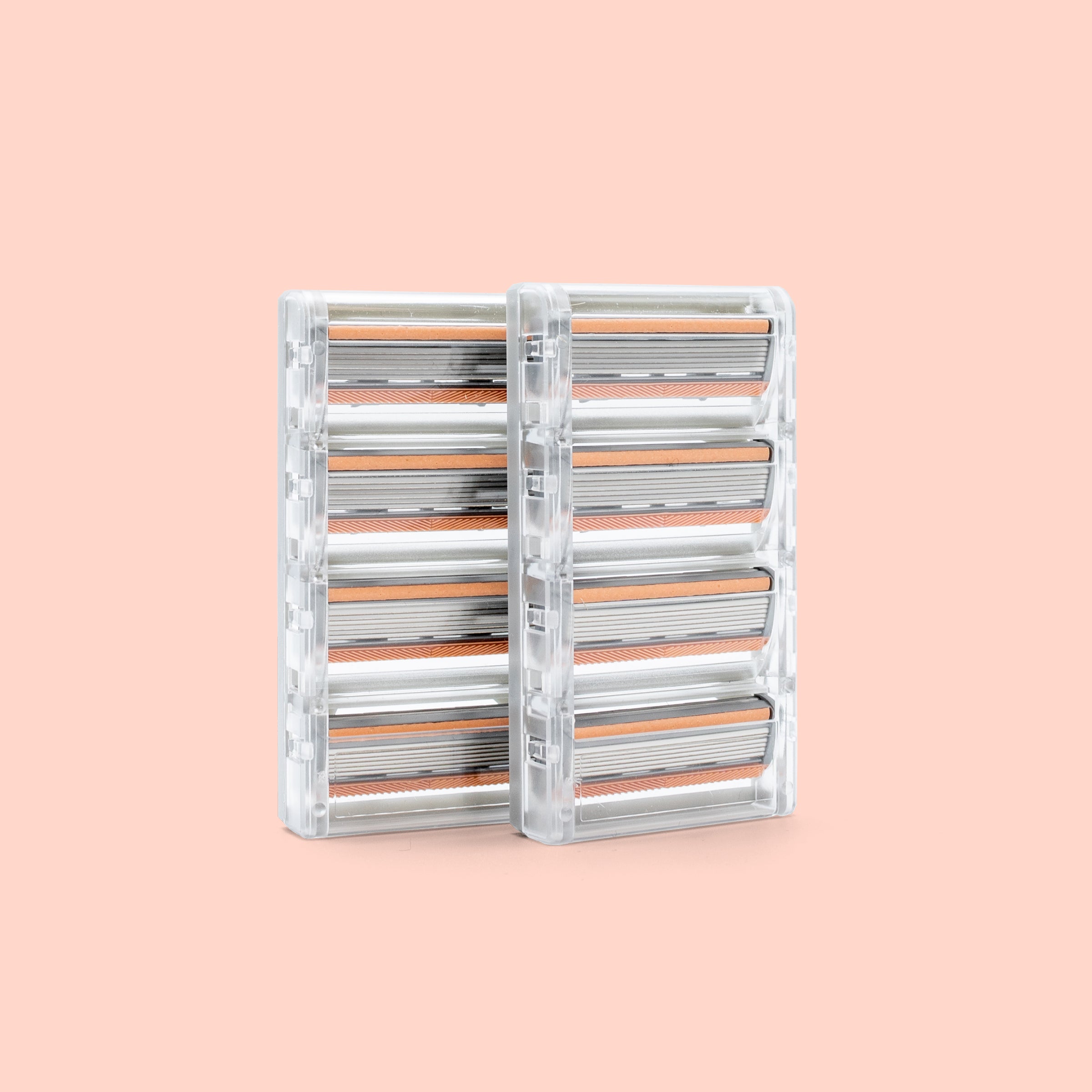
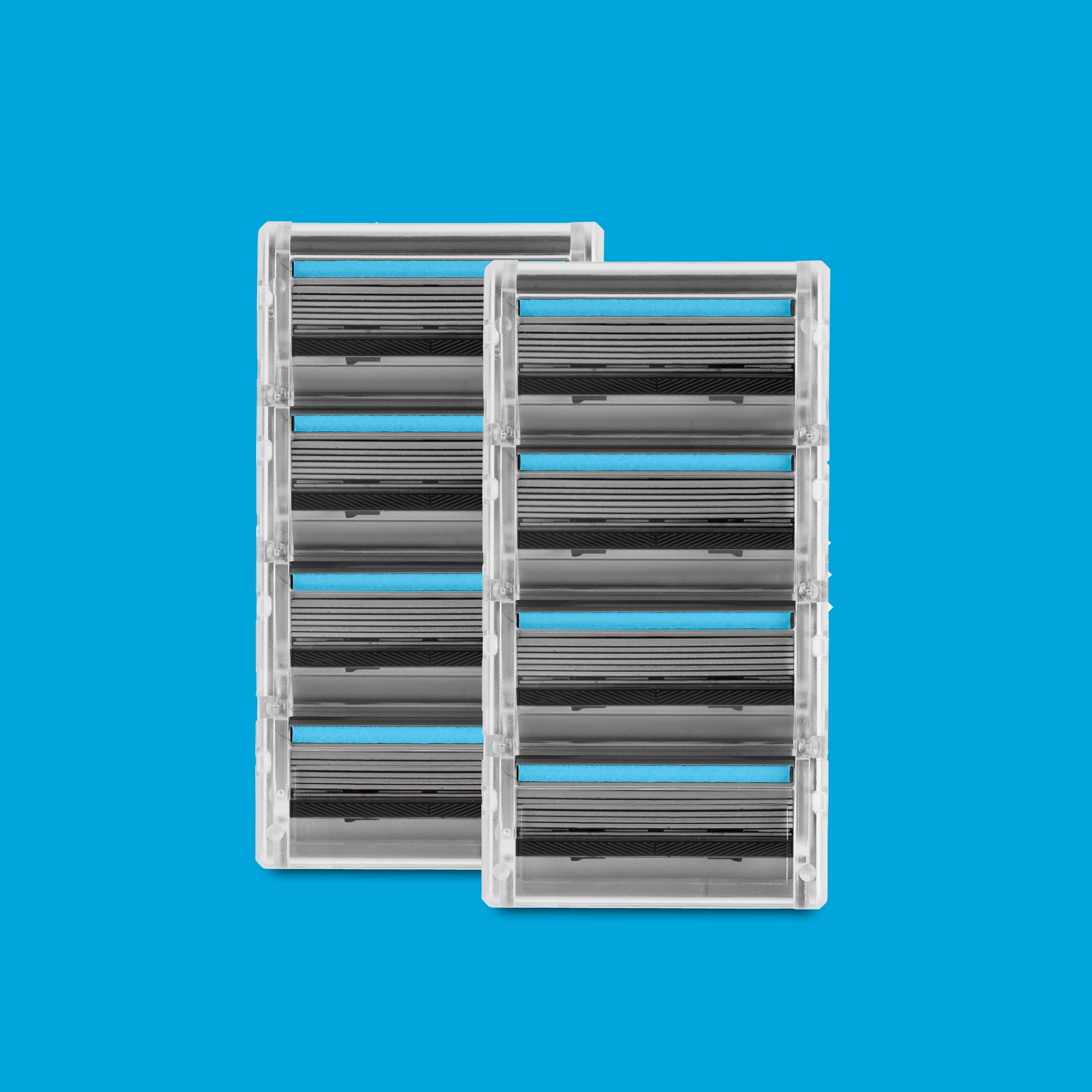
Wave goodbye to dull blades and skin irritation with our premium-quality products. For years, men’s blades have been superior to women’s, not anymore. Our blades are made from the best quality materials, so you don’t have to settle for less.
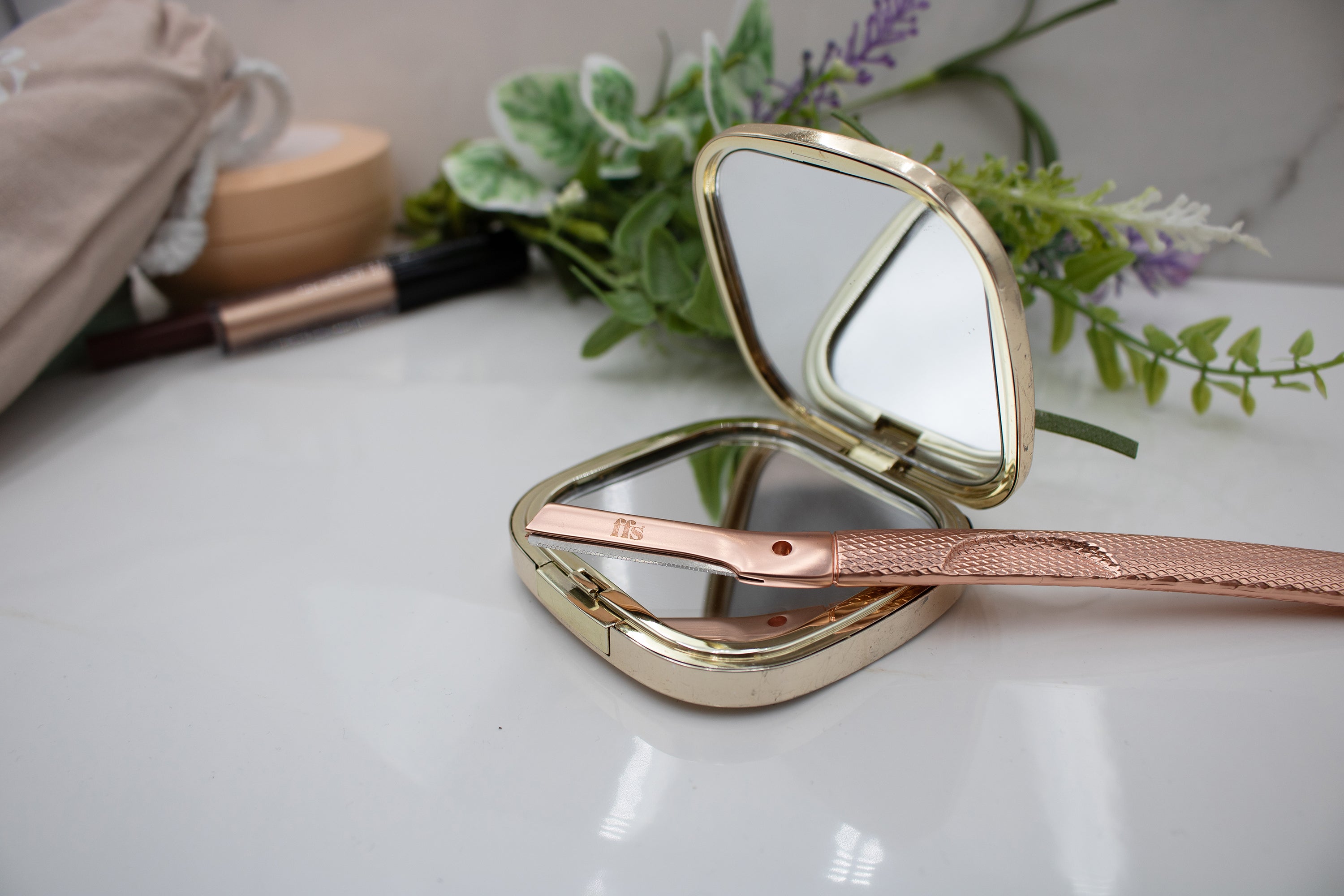
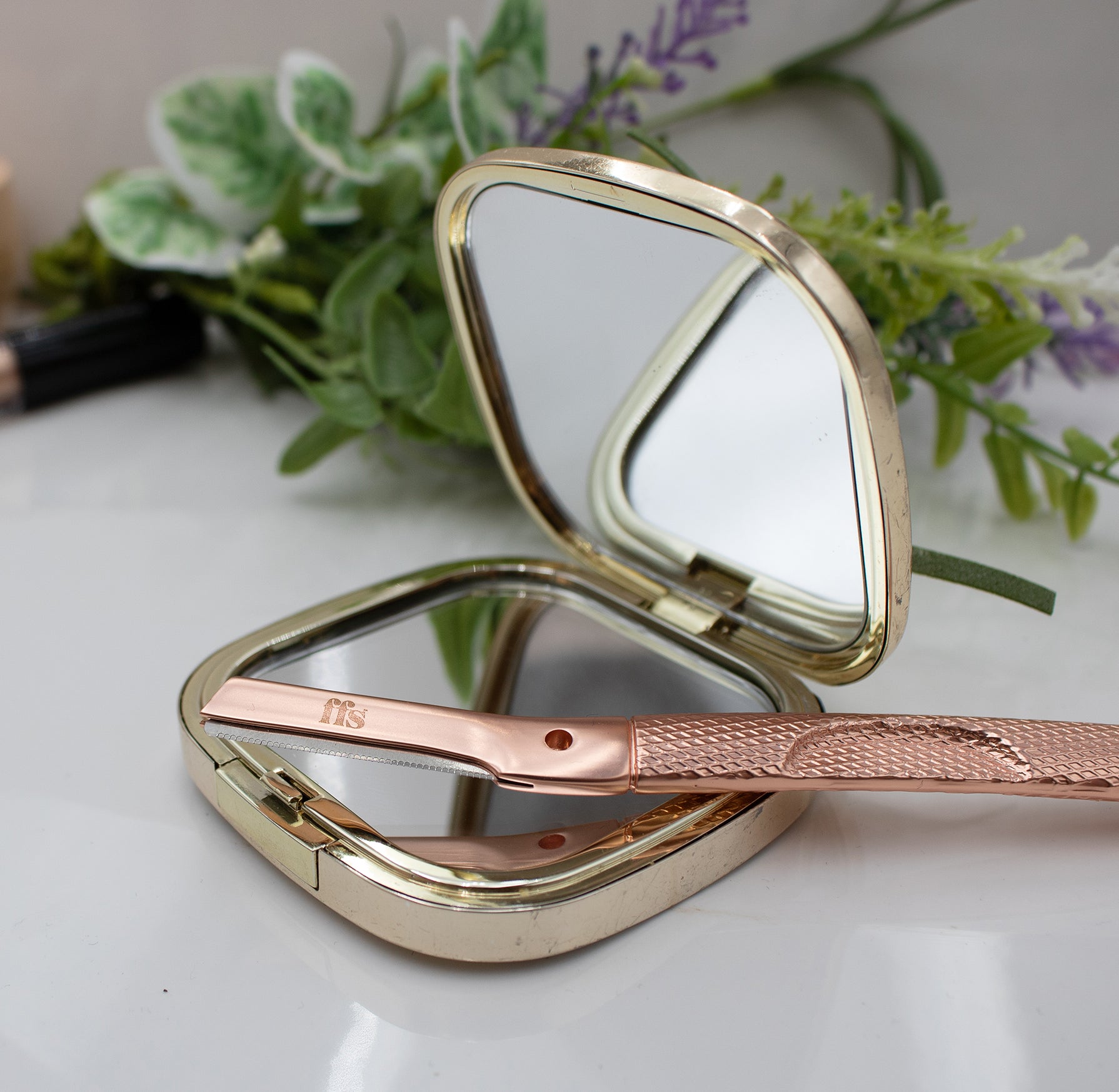
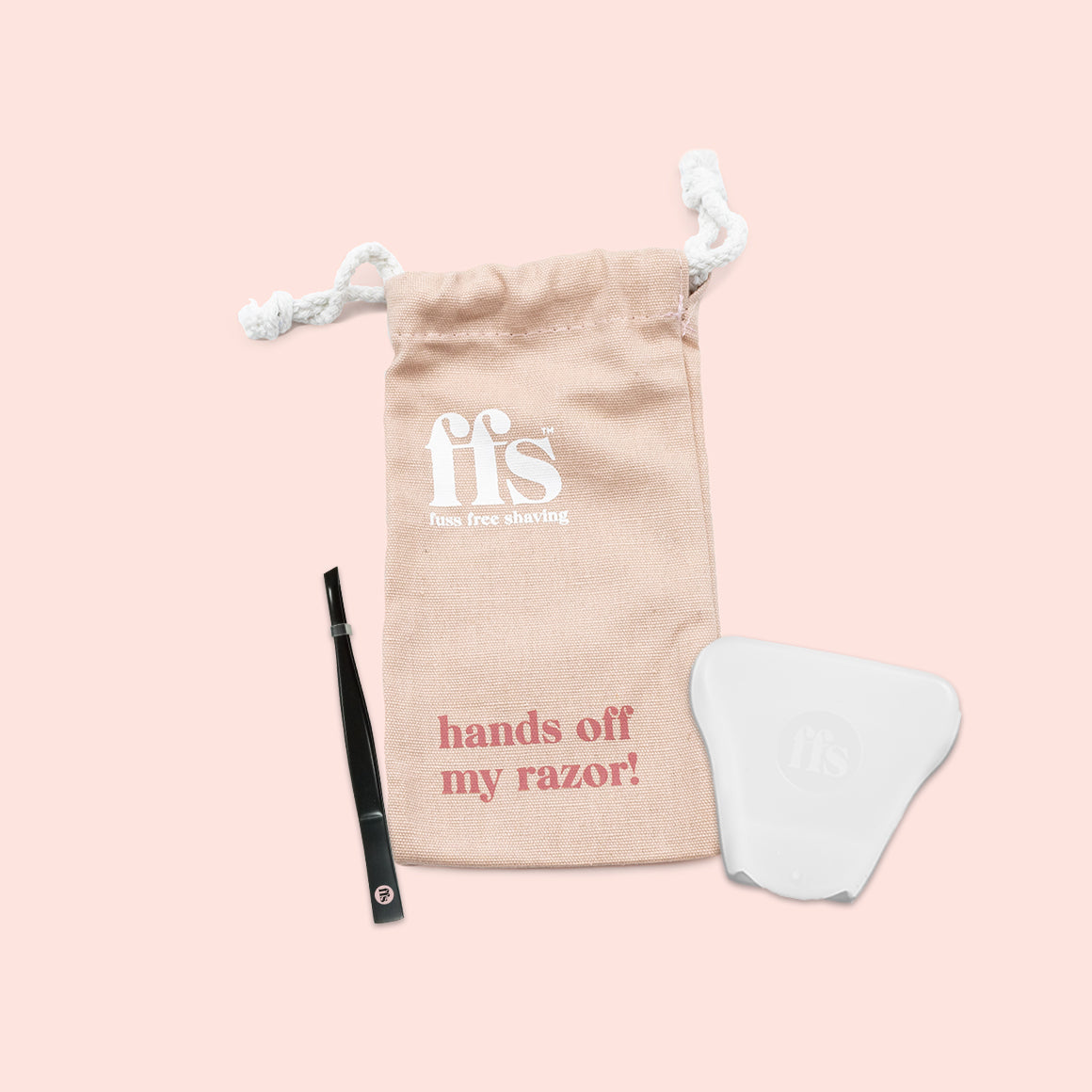
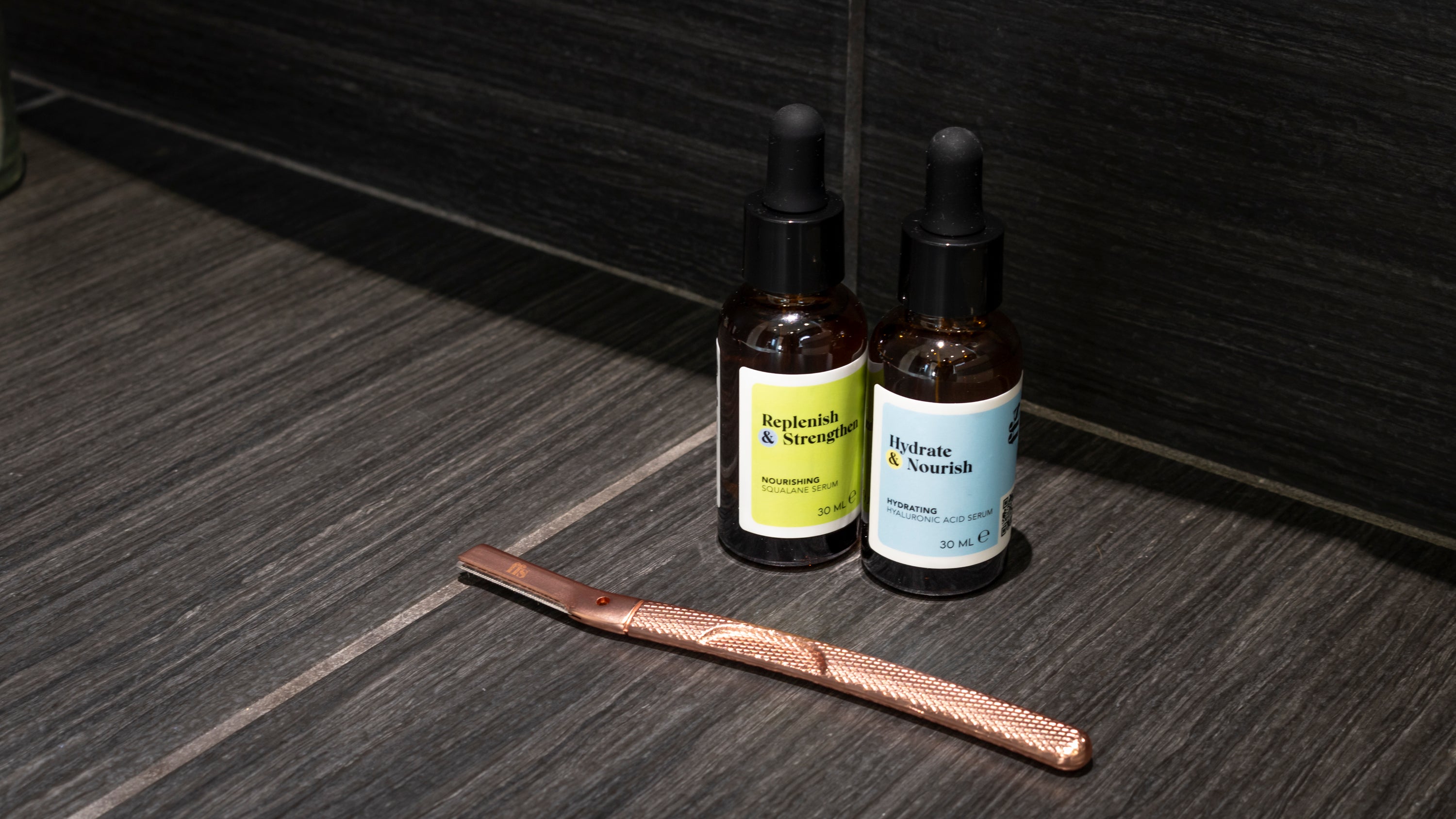
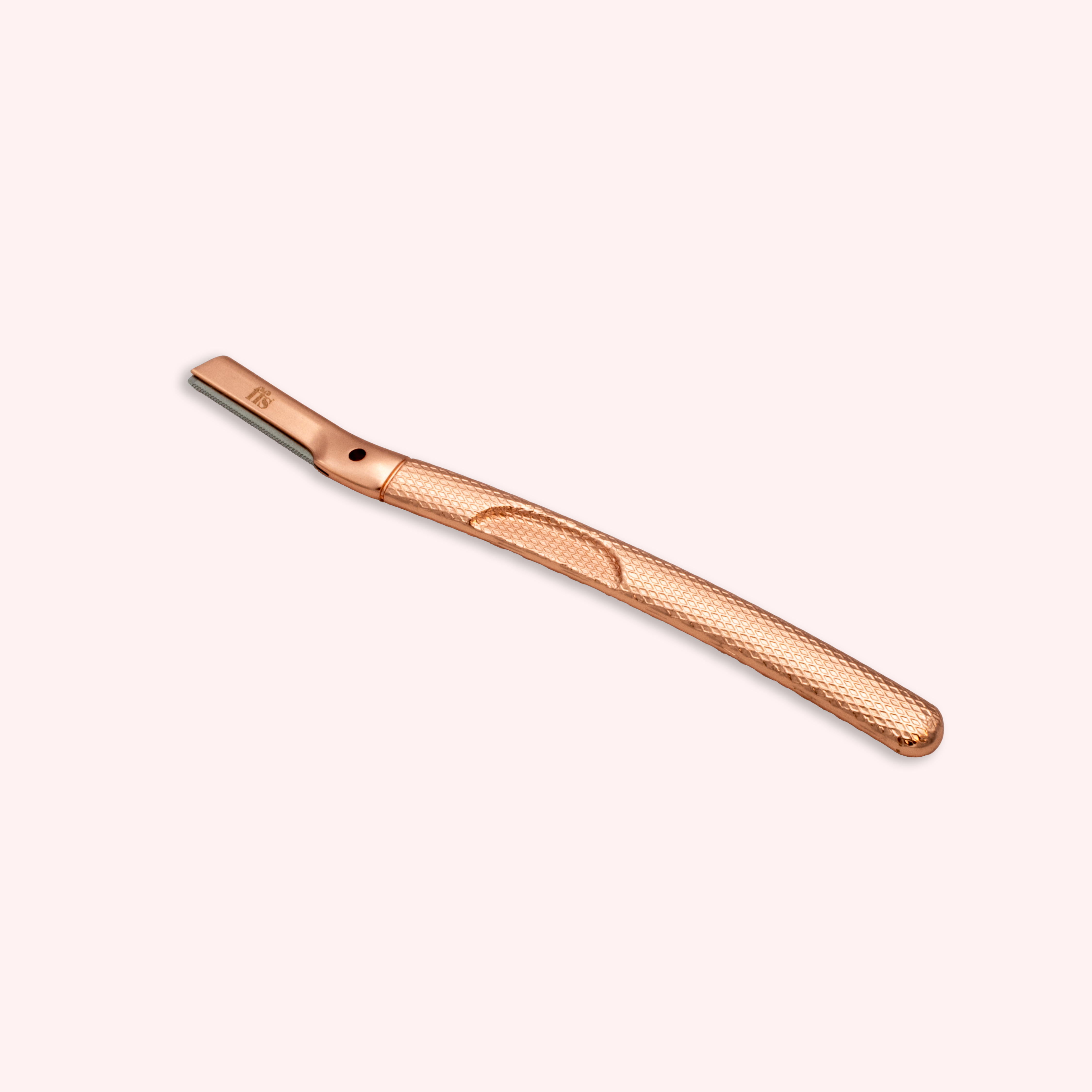
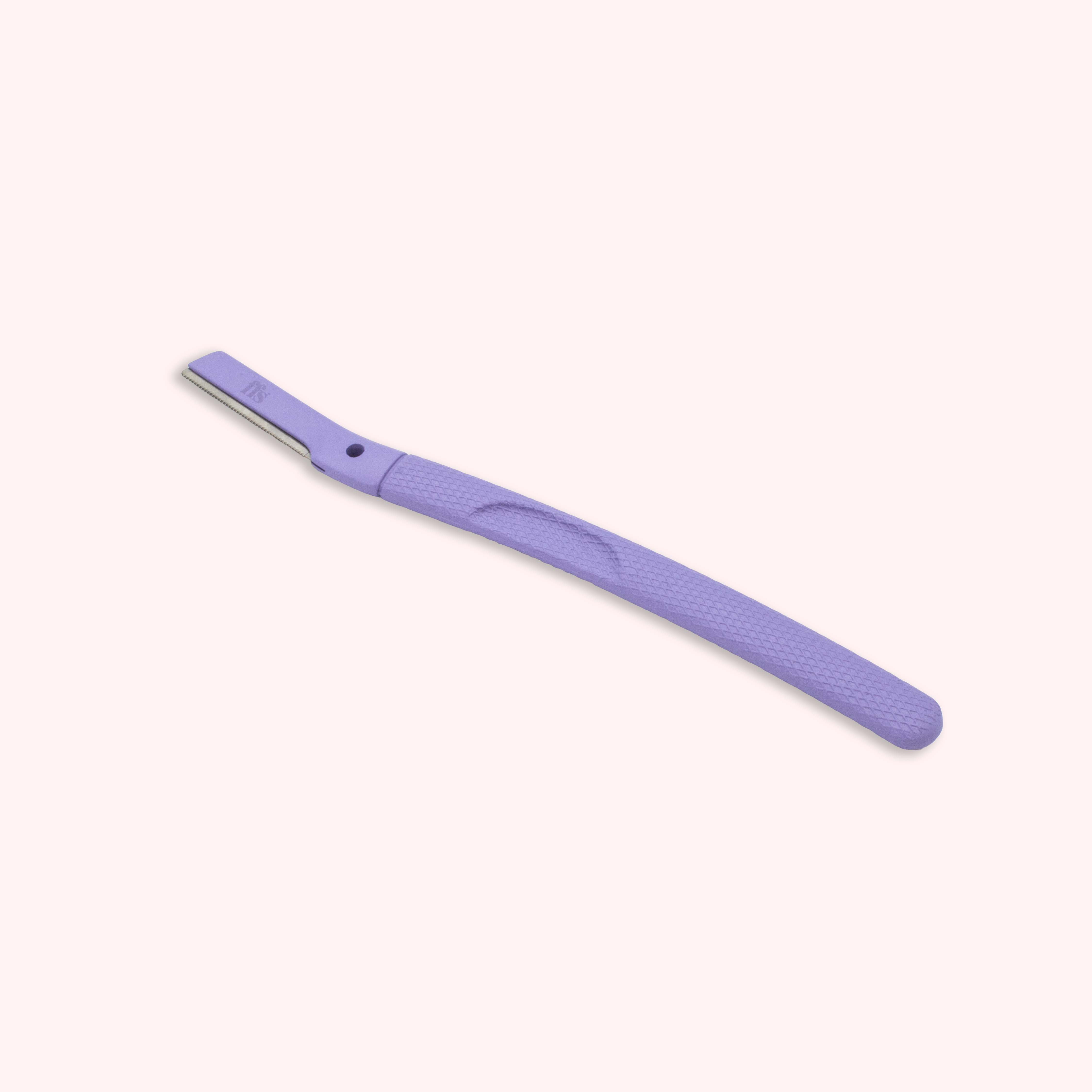
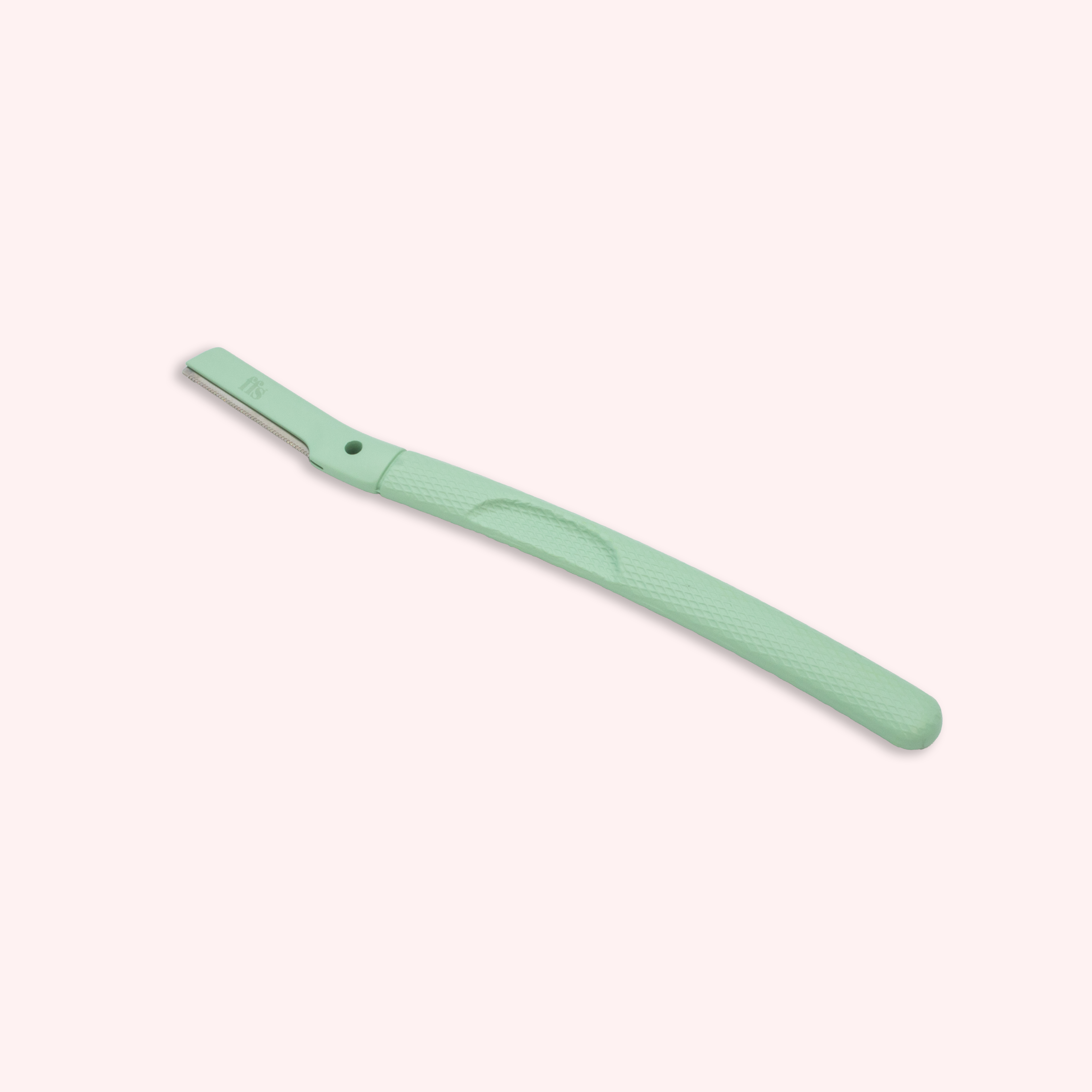
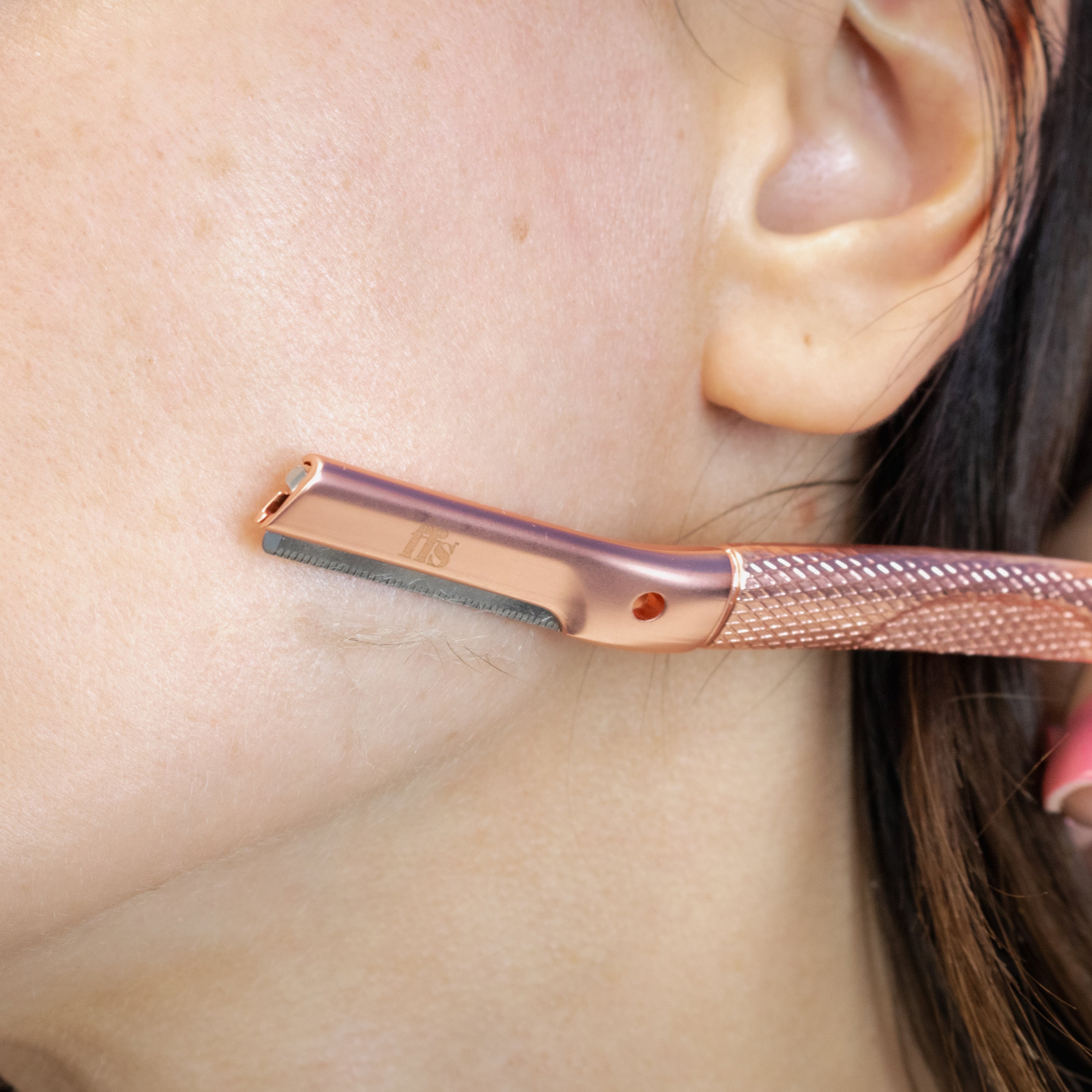
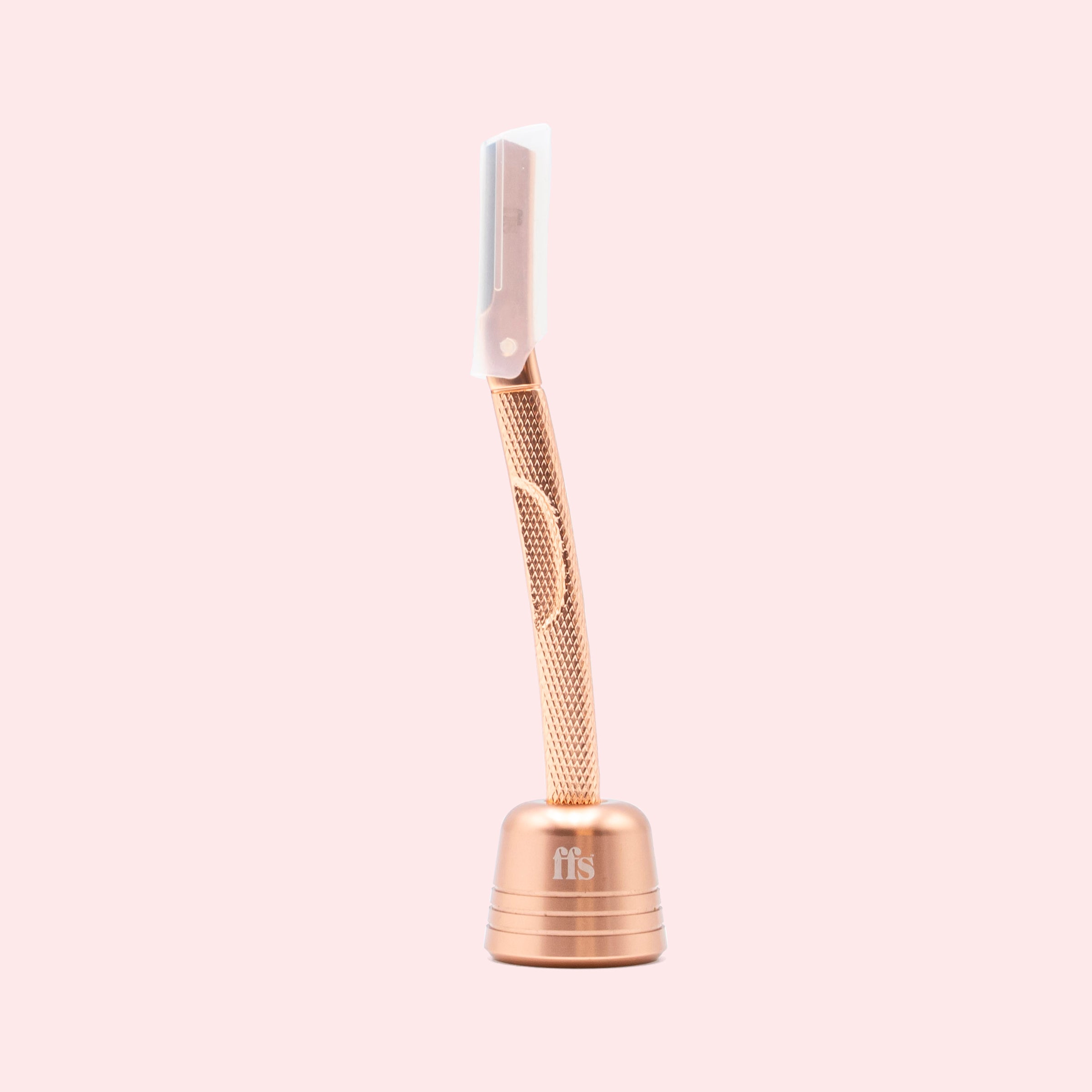
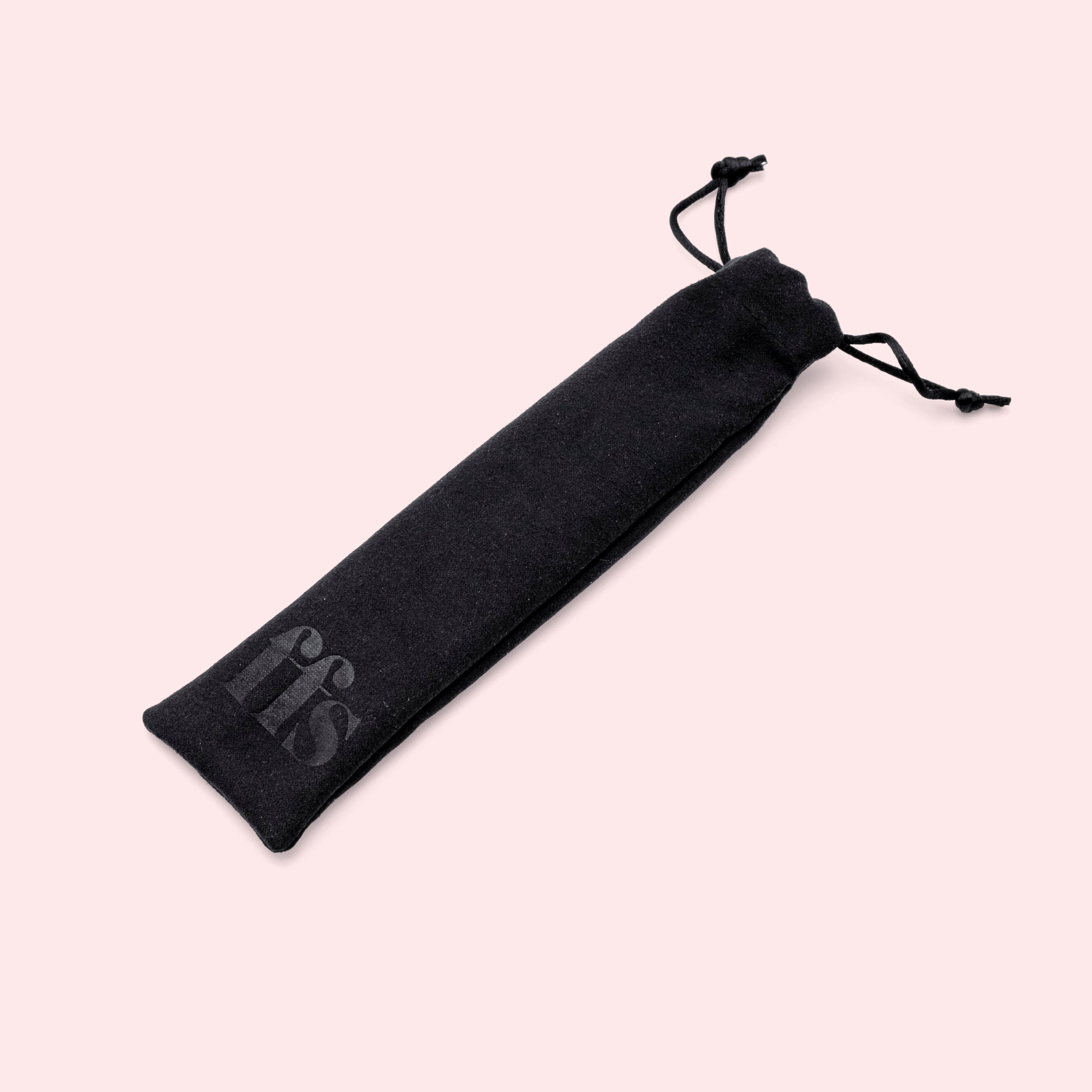
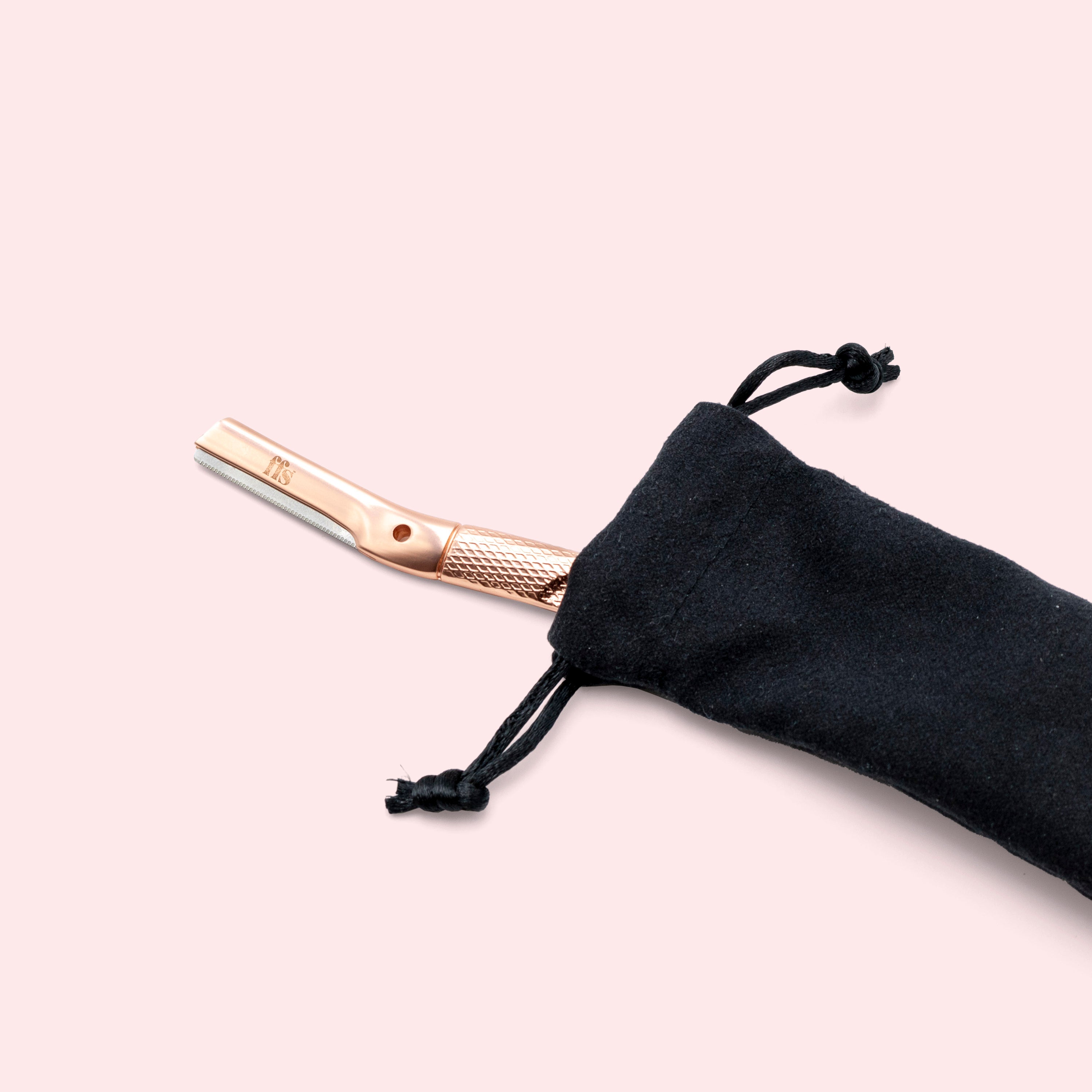
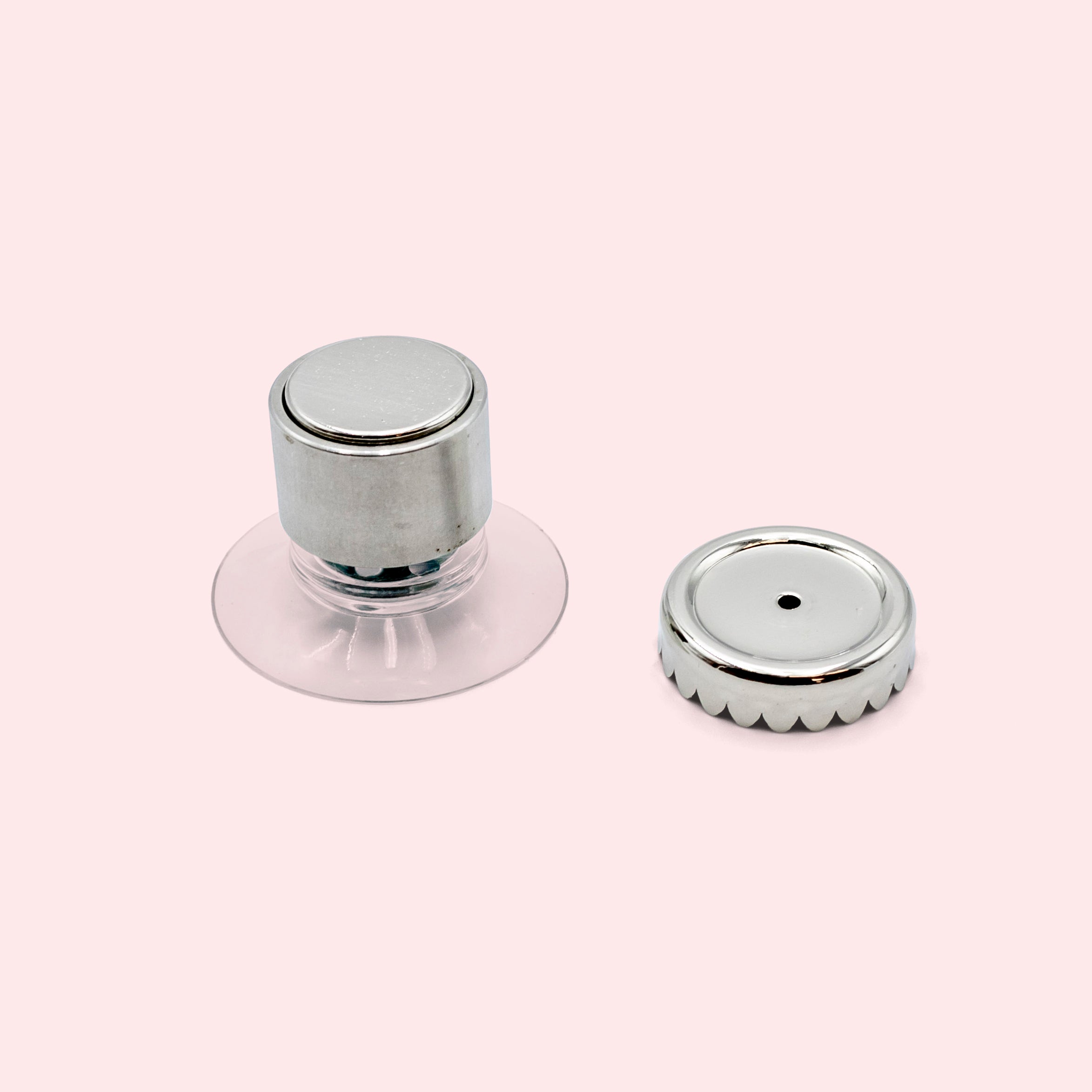
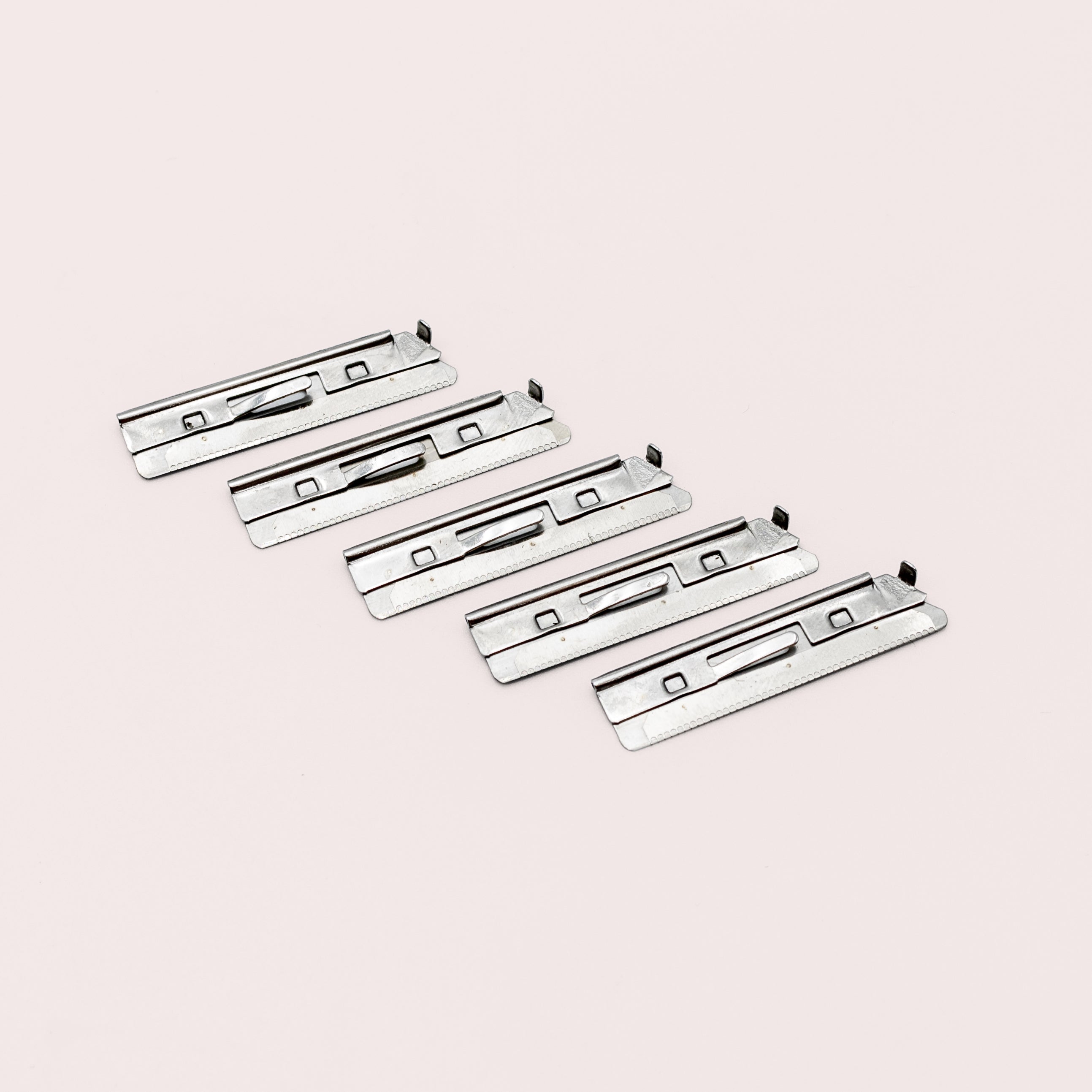
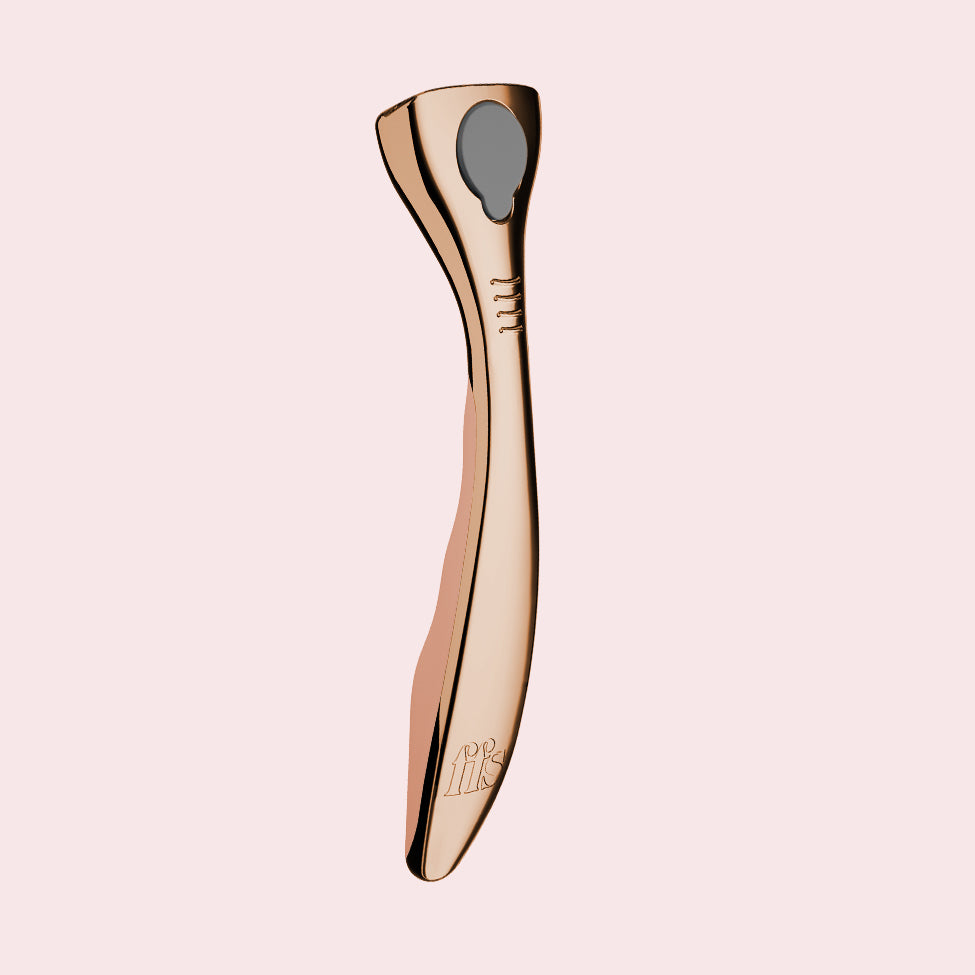
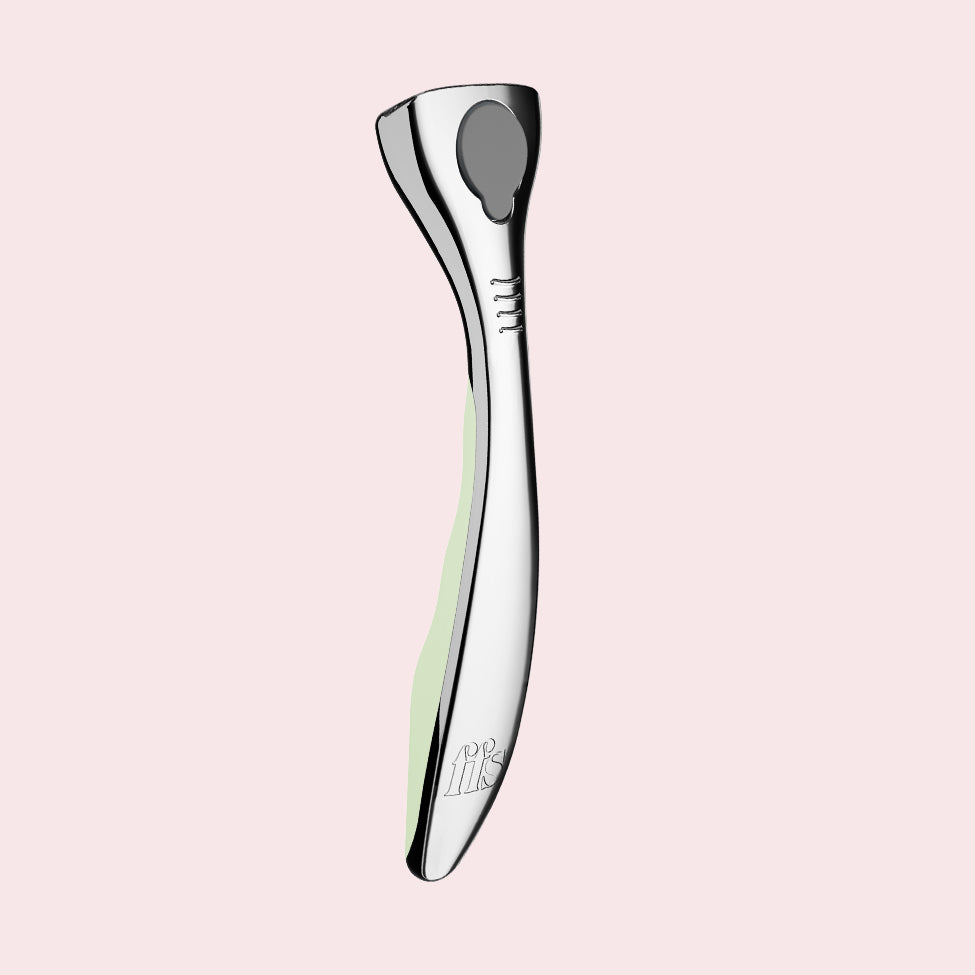
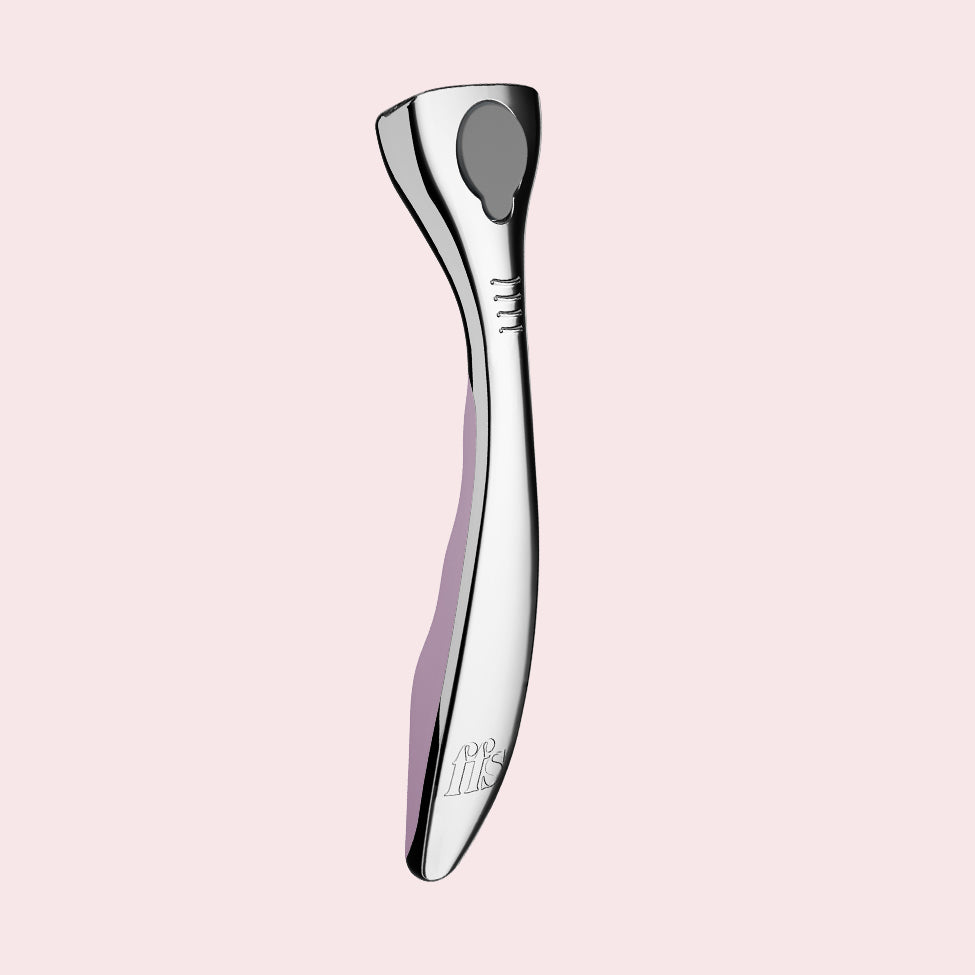
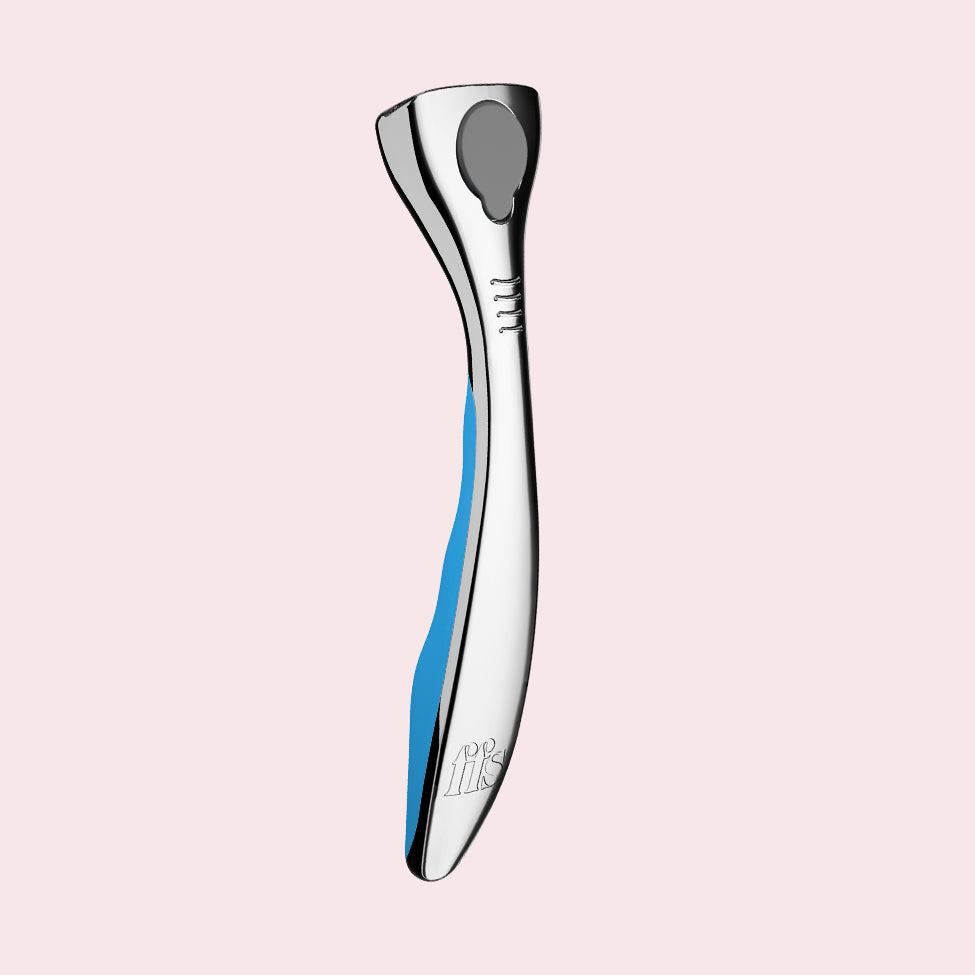
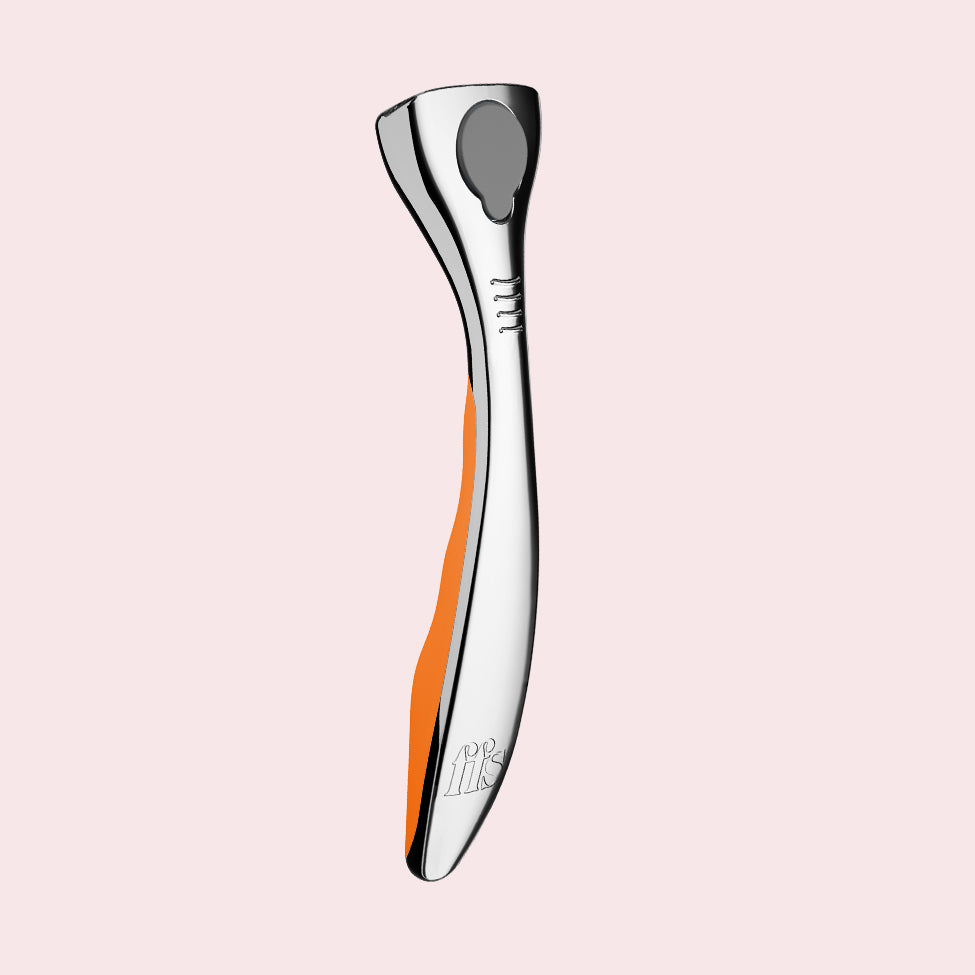
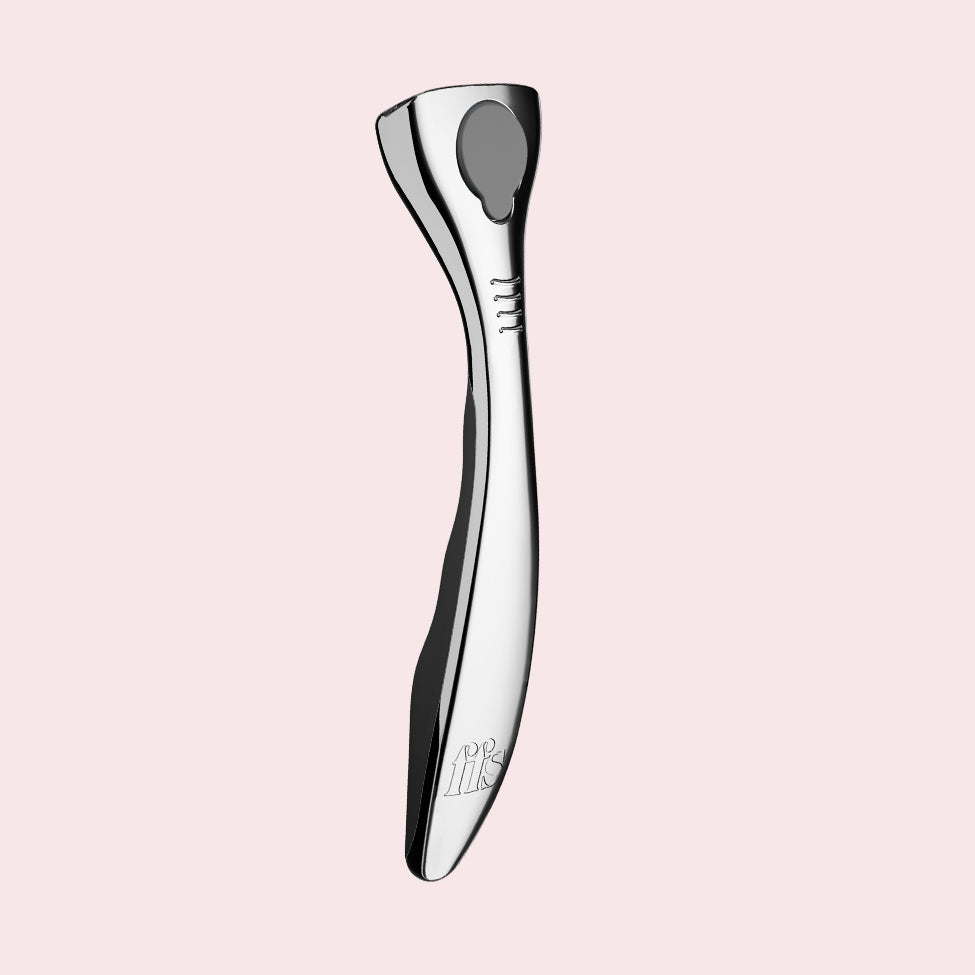
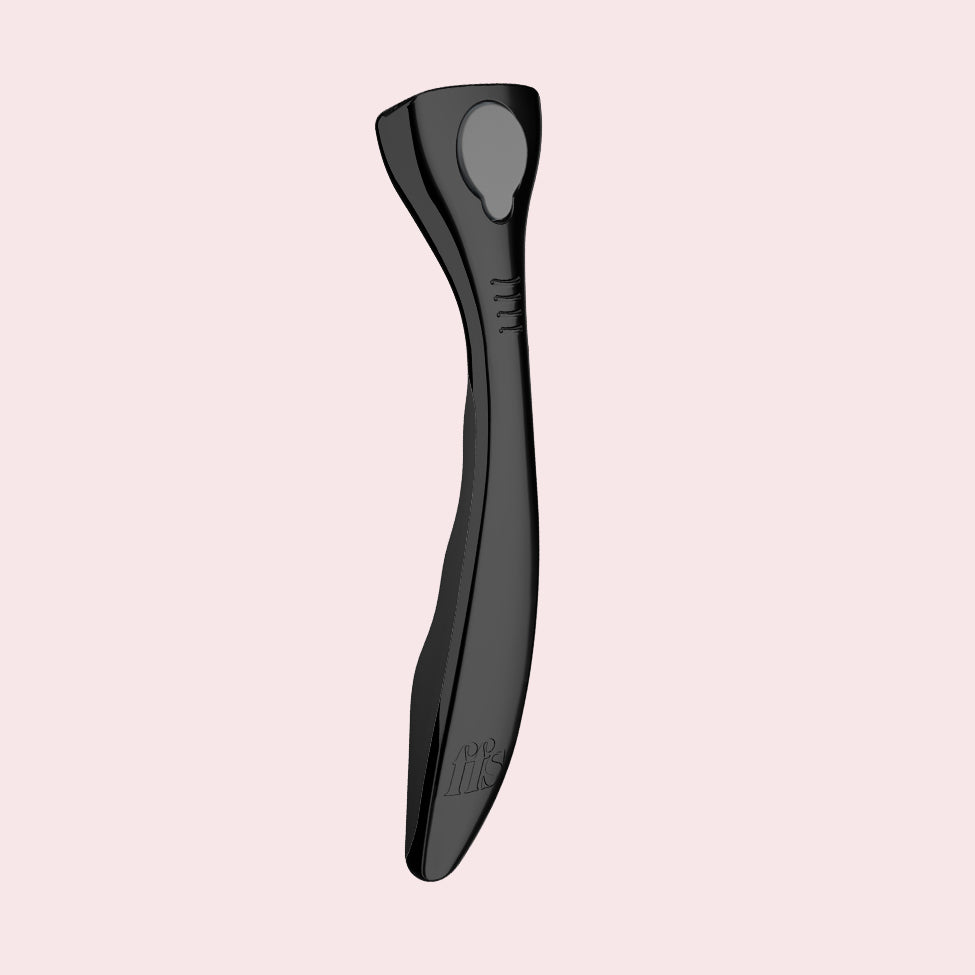
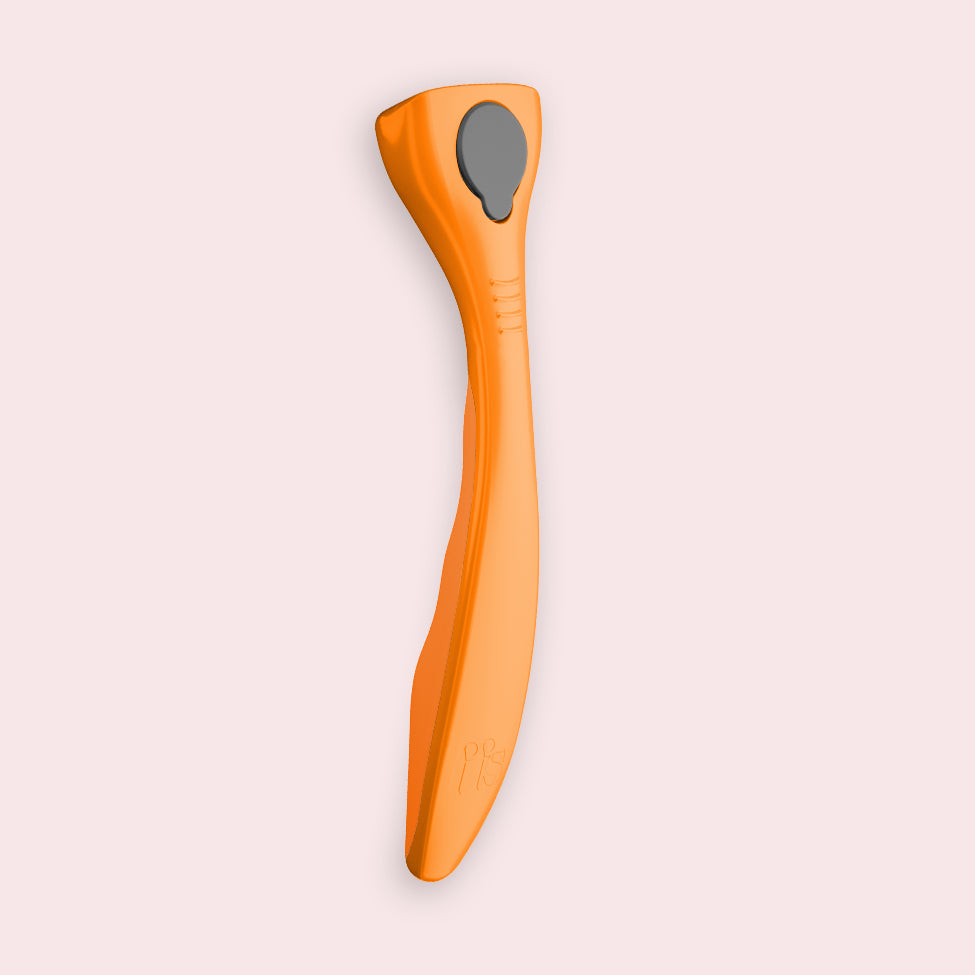
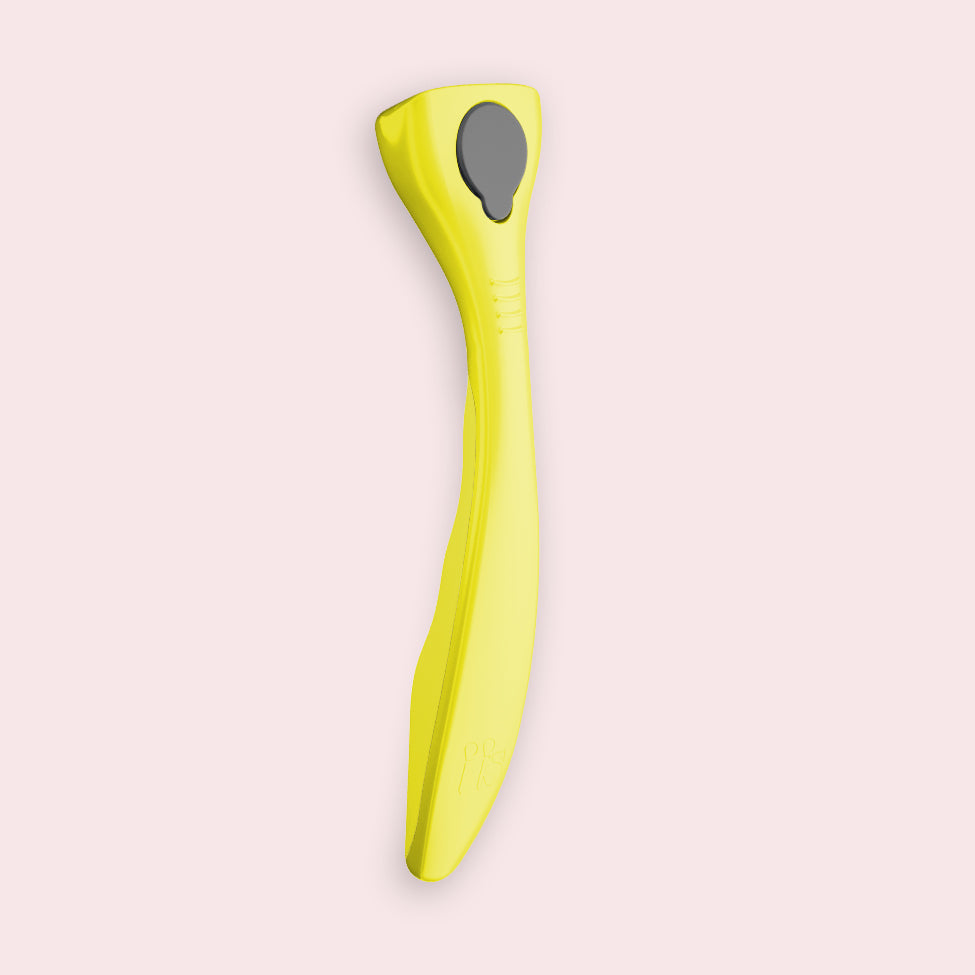
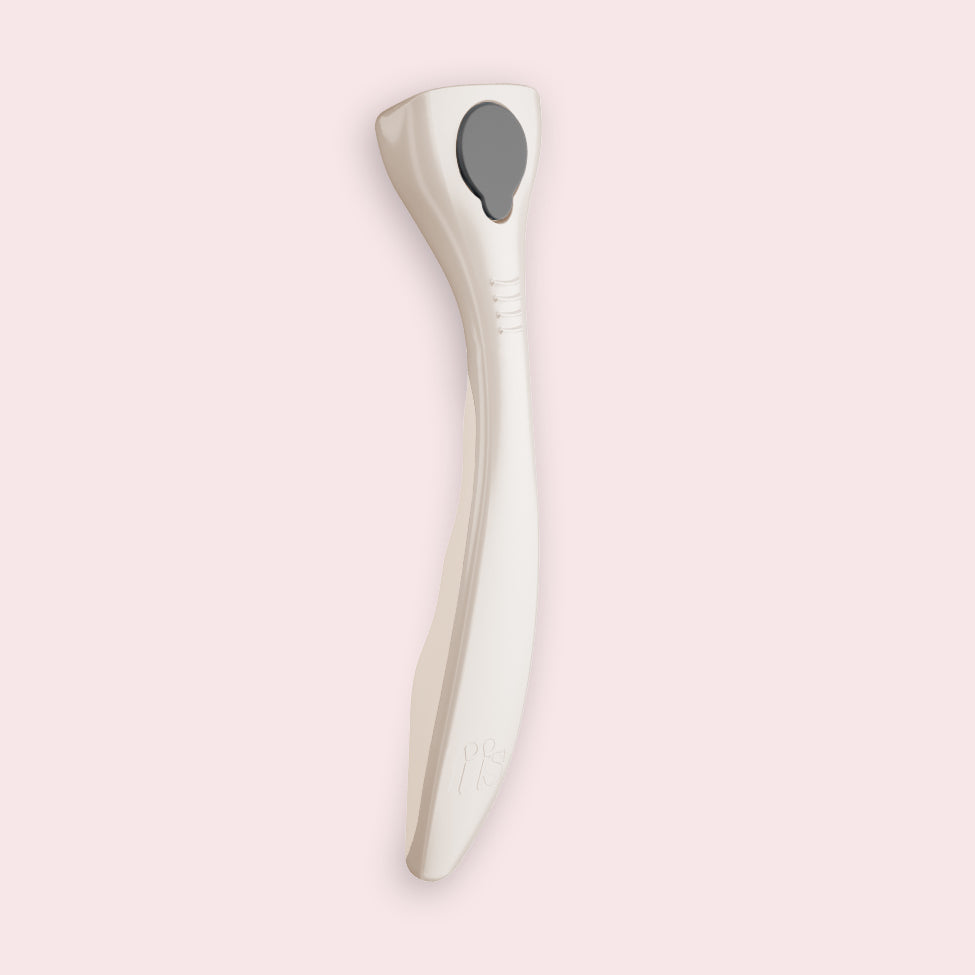
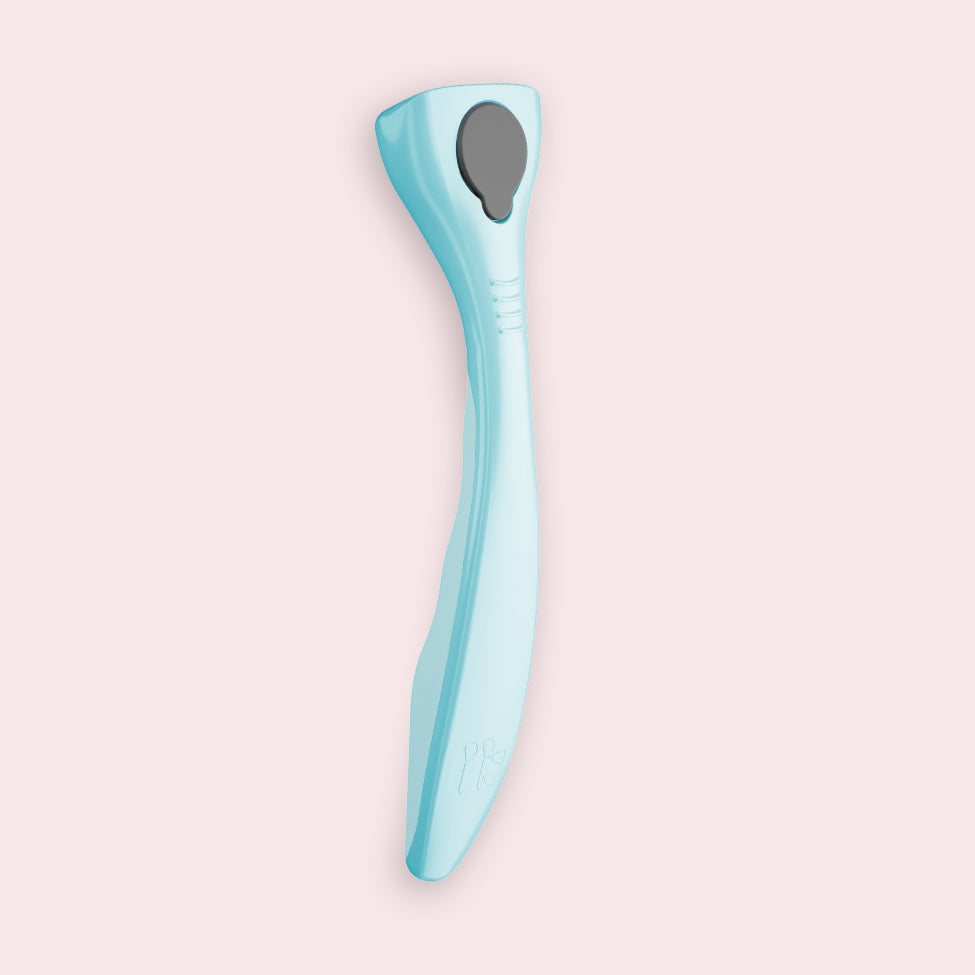
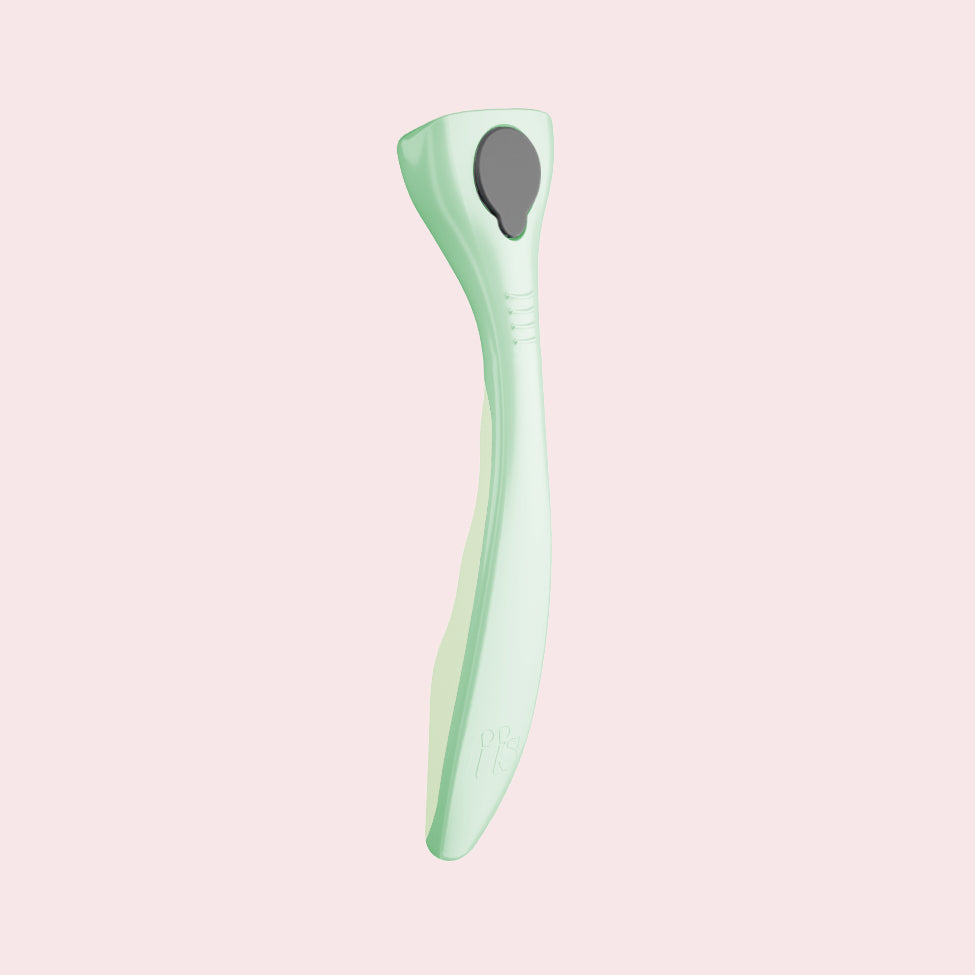
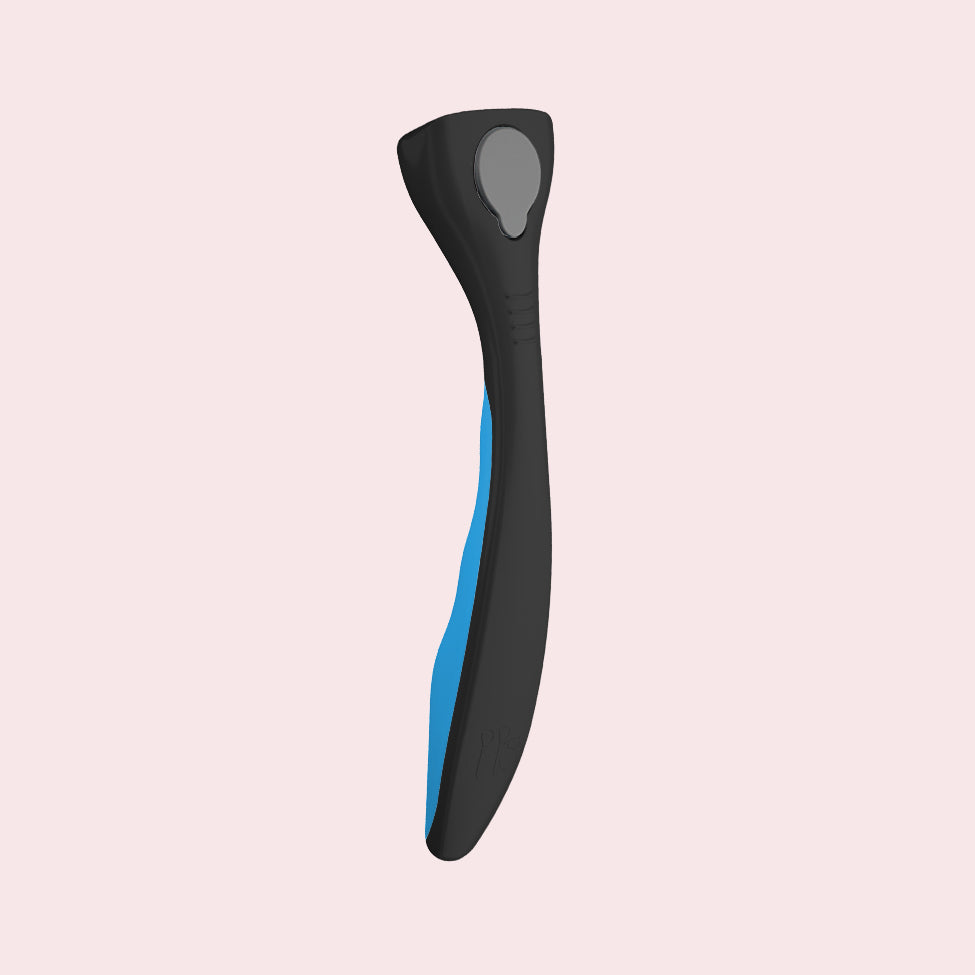
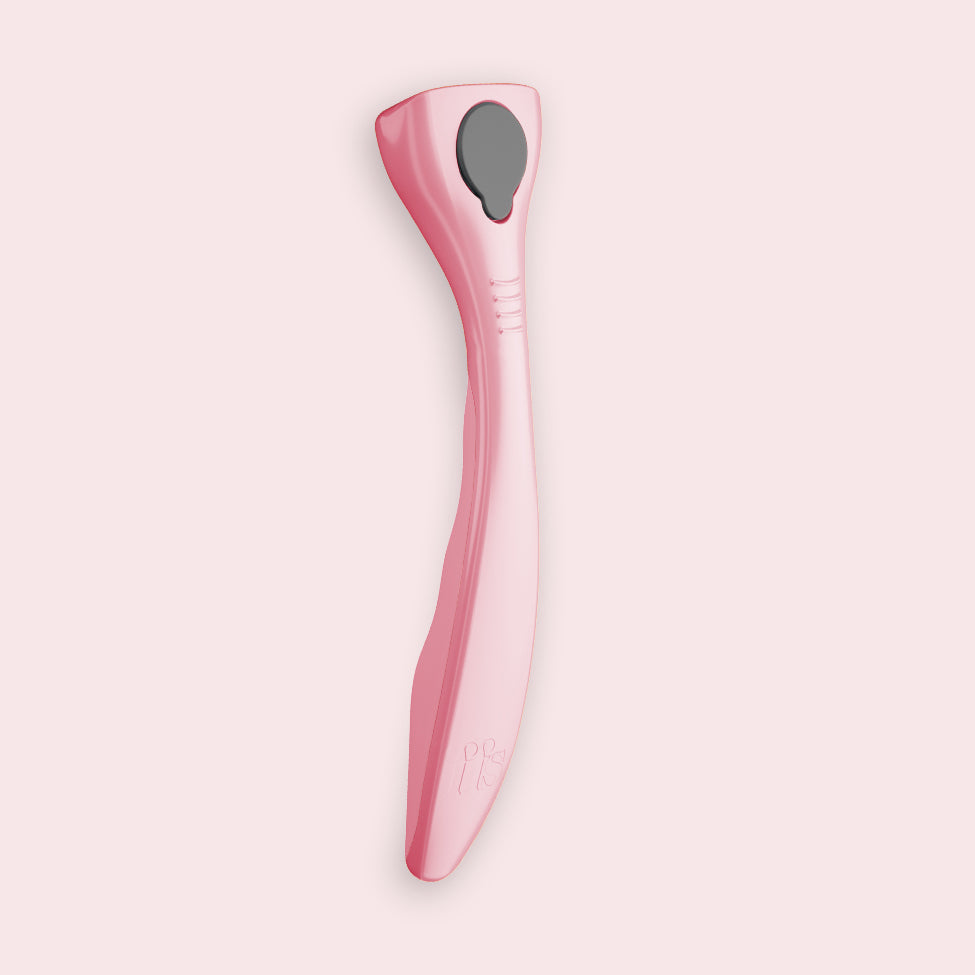
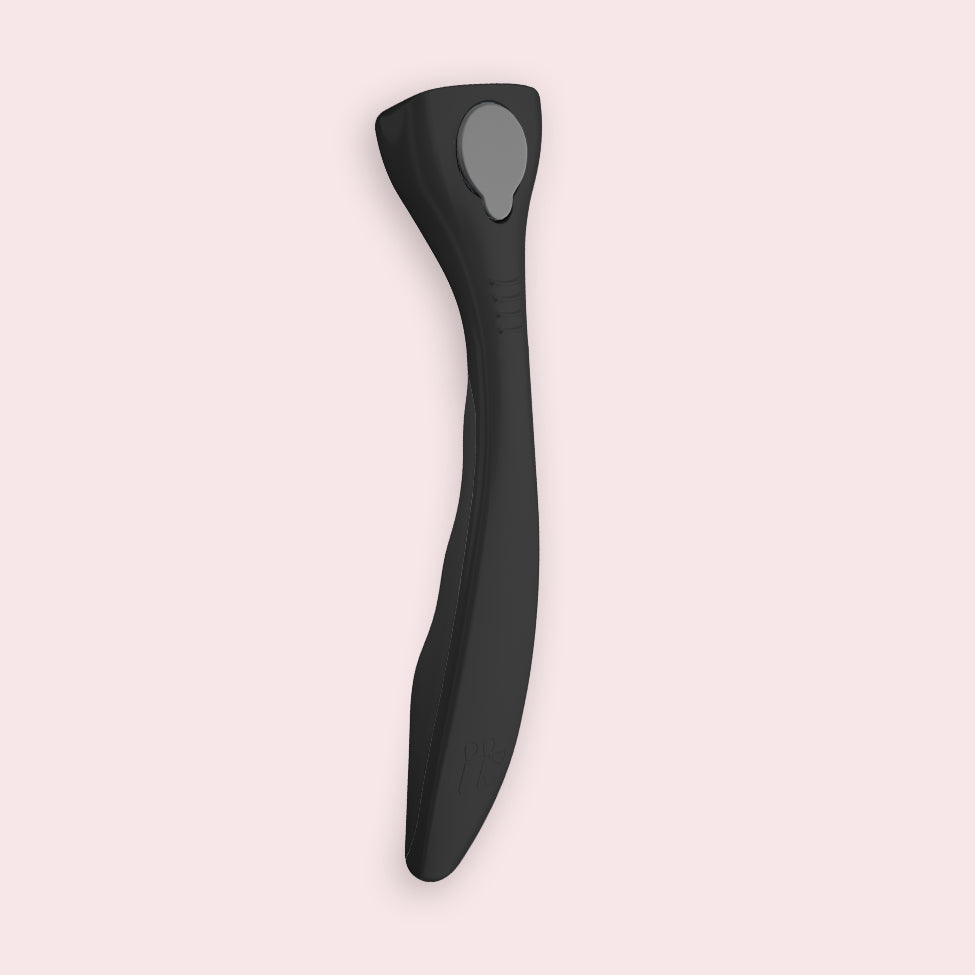
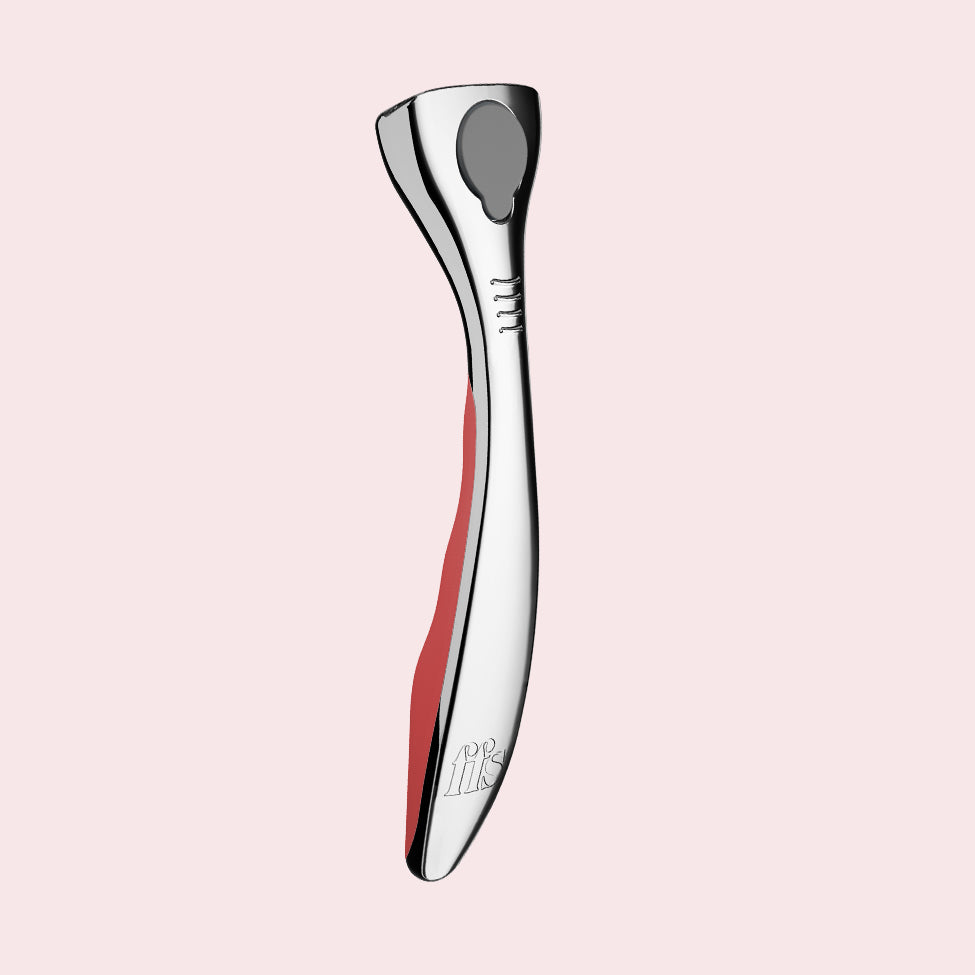
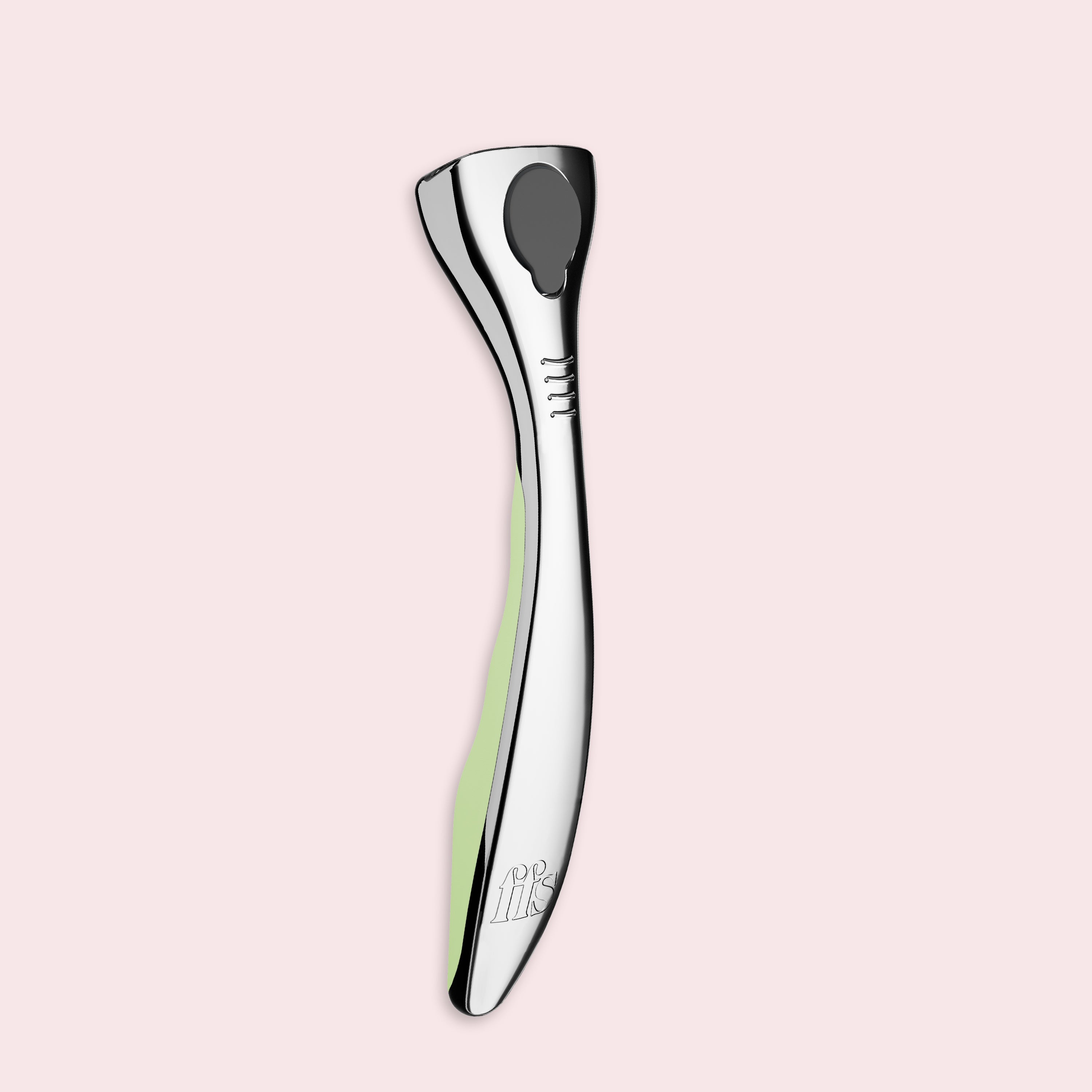
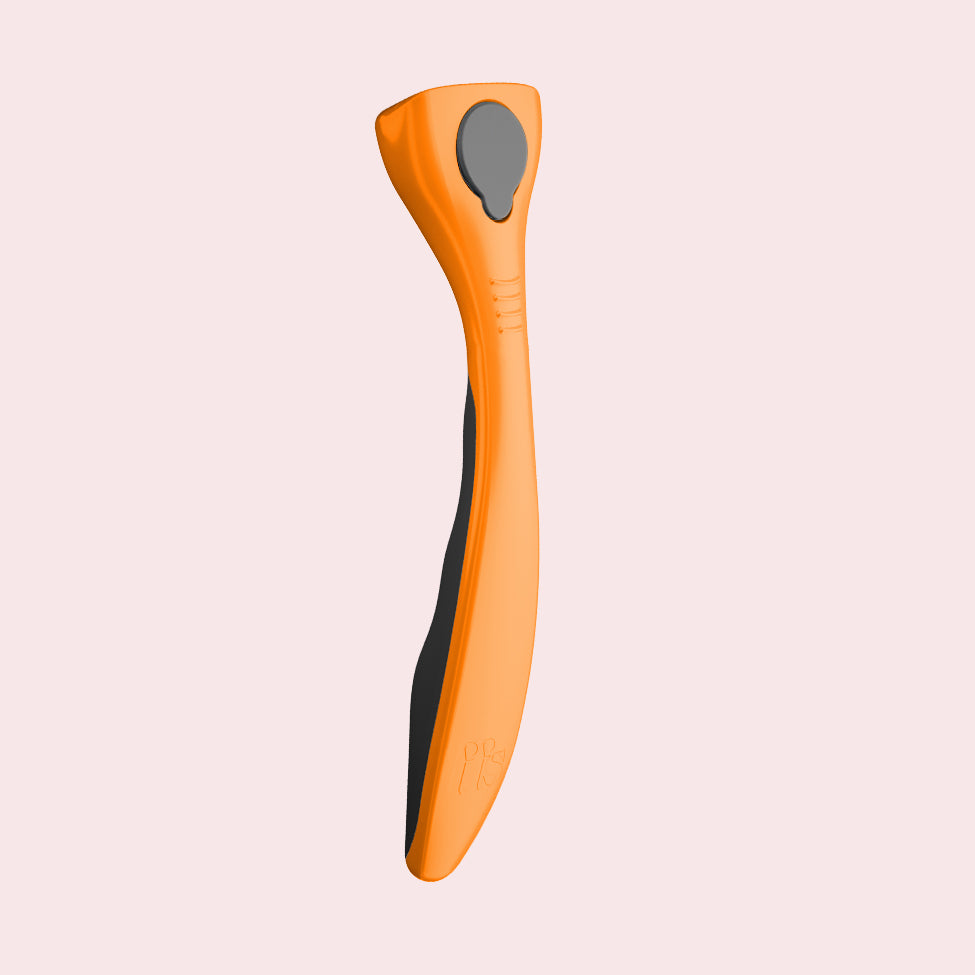
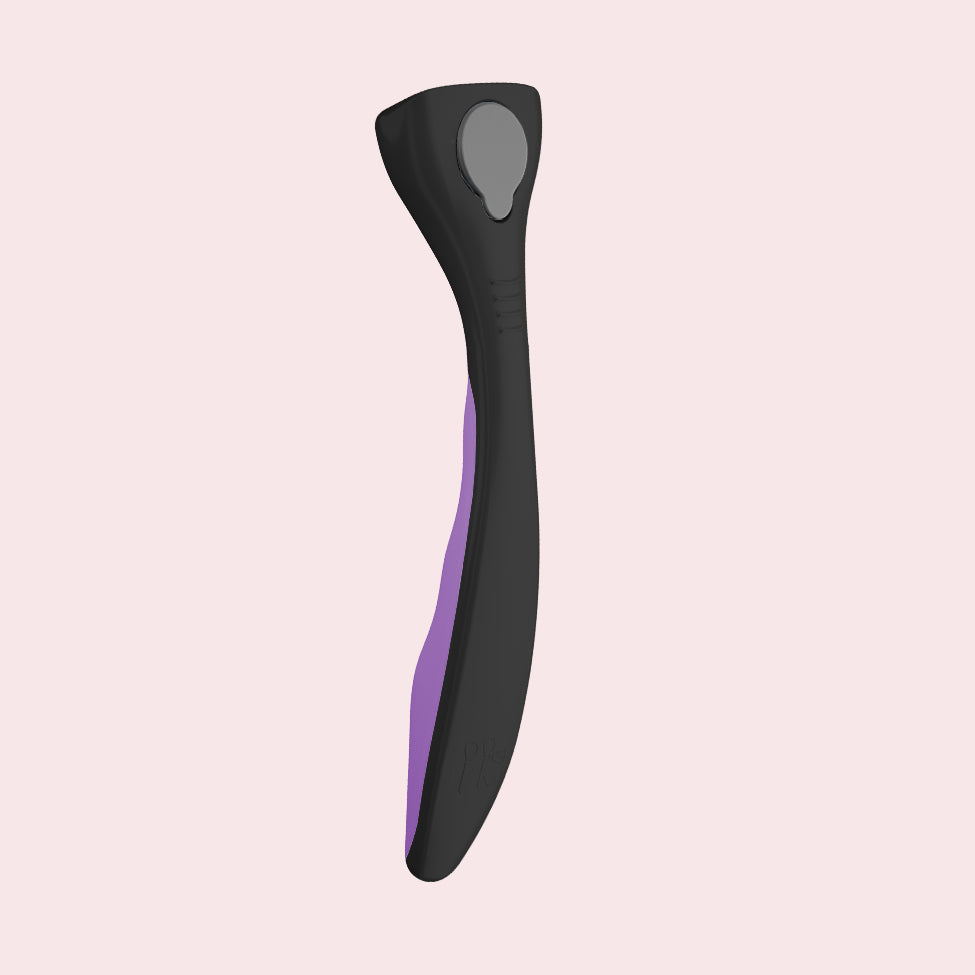
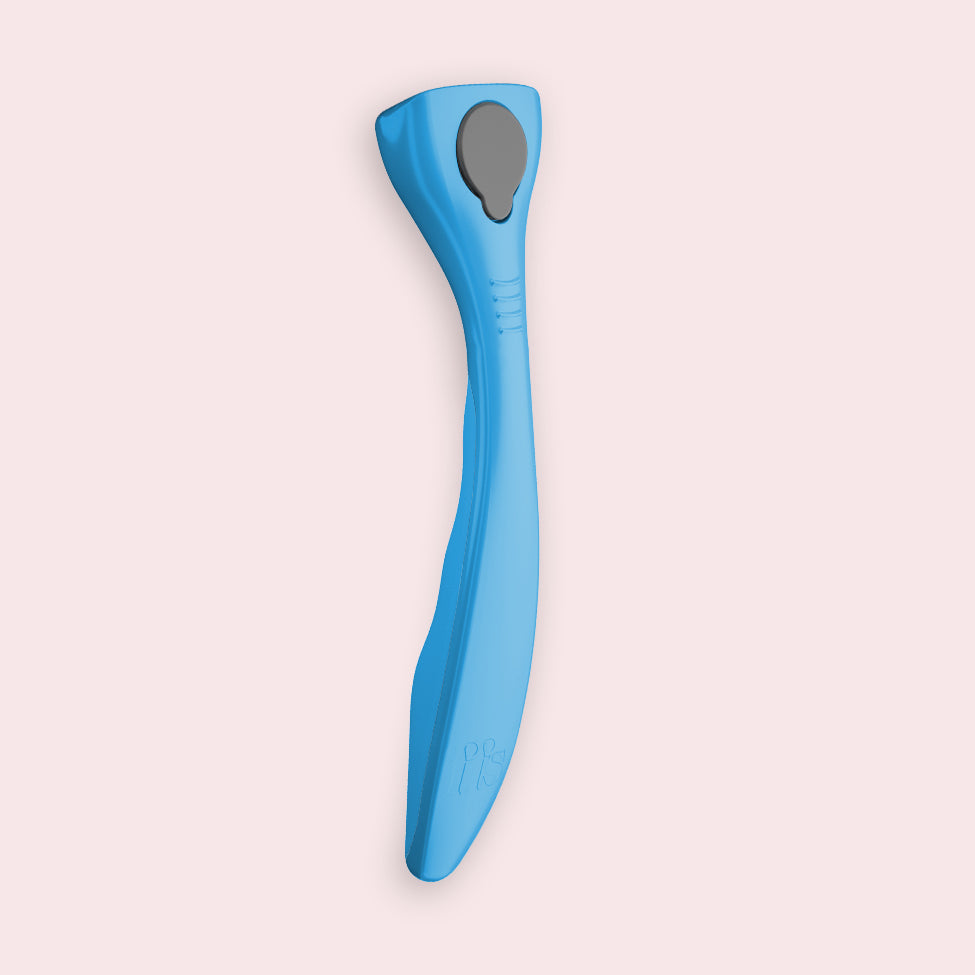
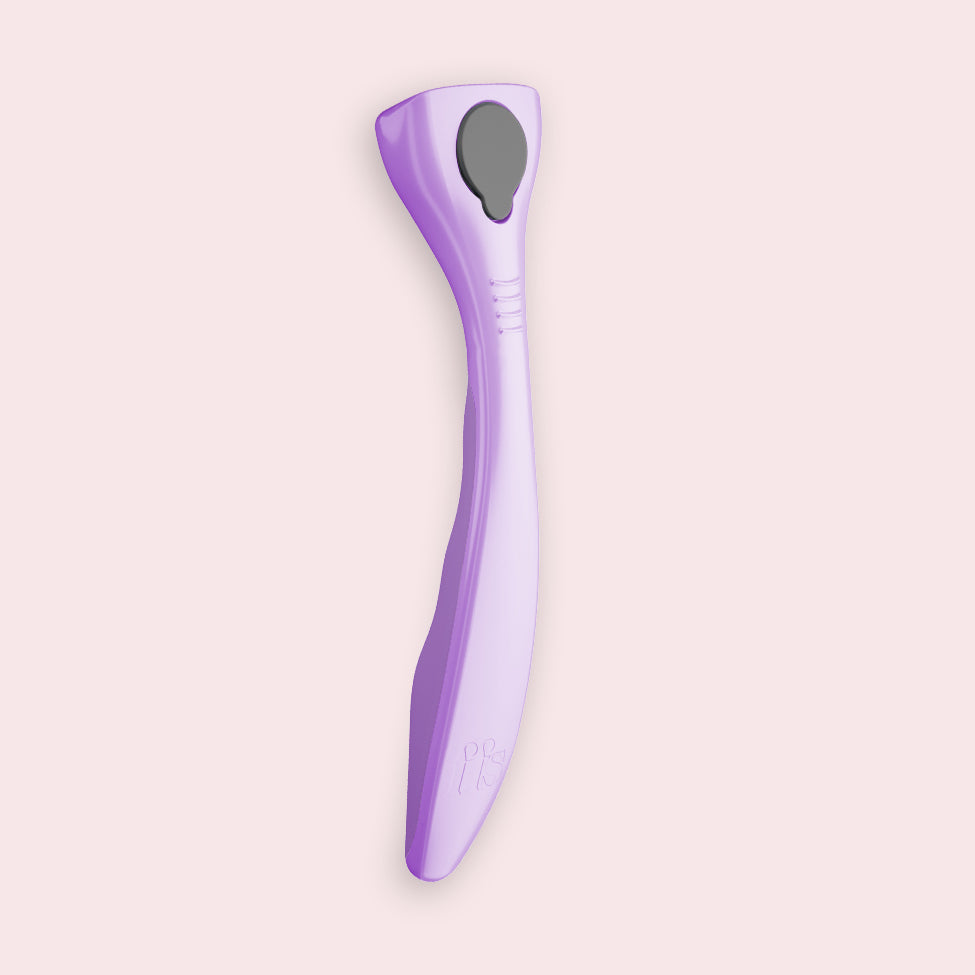
FFS Beauty Dermaplaning Kit
Peach Fuzz-Free
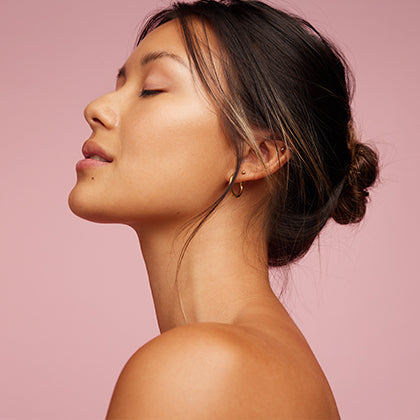
Designed for effortless removal of facial hair, our eco-friendly solution leaves your skin radiant and soft to the touch.
SHOP






A plan tailored to you
We’ve made it as effortless as possible for you to make changes to your plans. With complete control and no commitment, you can easily swap, skip, or cancel any time. No drama, just a friction-free shopping experience.

Sustainably smooth shaving
Say no to single-use plastic. We keep packaging to a minimum and use sustainable materials wherever we can.
If a real good shave is something that is extremely important to you, look no further
Wow they have actually thought of absolutely everything
This one is for all of those girls out there cursing at their rusty, overused and overpriced razor blade
Sometimes the most practical presents are also the most appreciated, and that’s why a more sustainable way of shaving is a great option
While the brand name sums up our thoughts when you … skipped a few (ok, months) of shaving… it actually stands for fuss free shaving, which our testers agreed it lived up to
Stay up-to-date
Blog posts
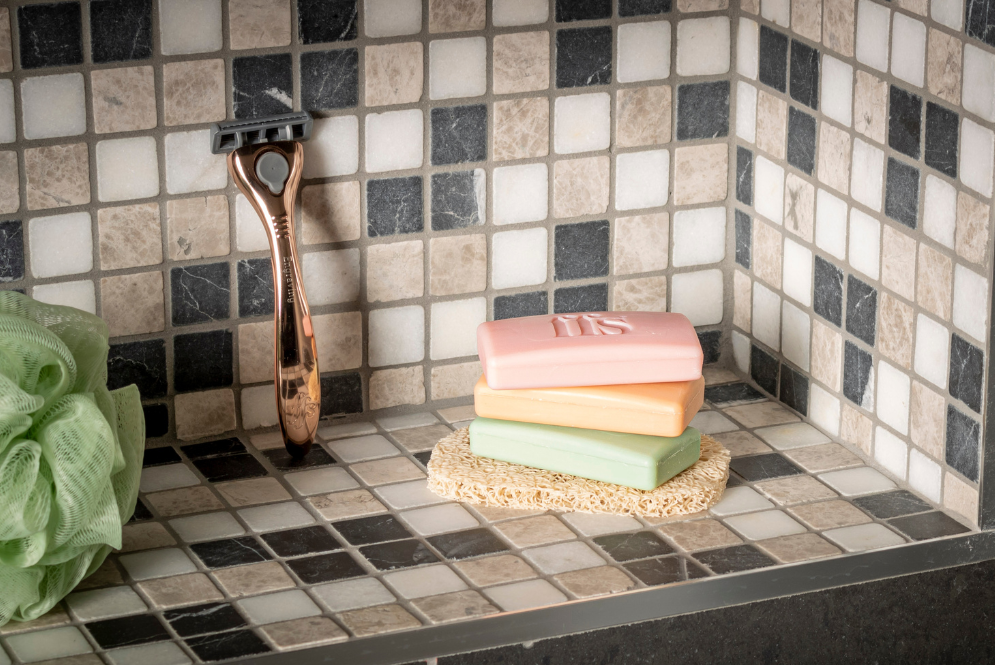
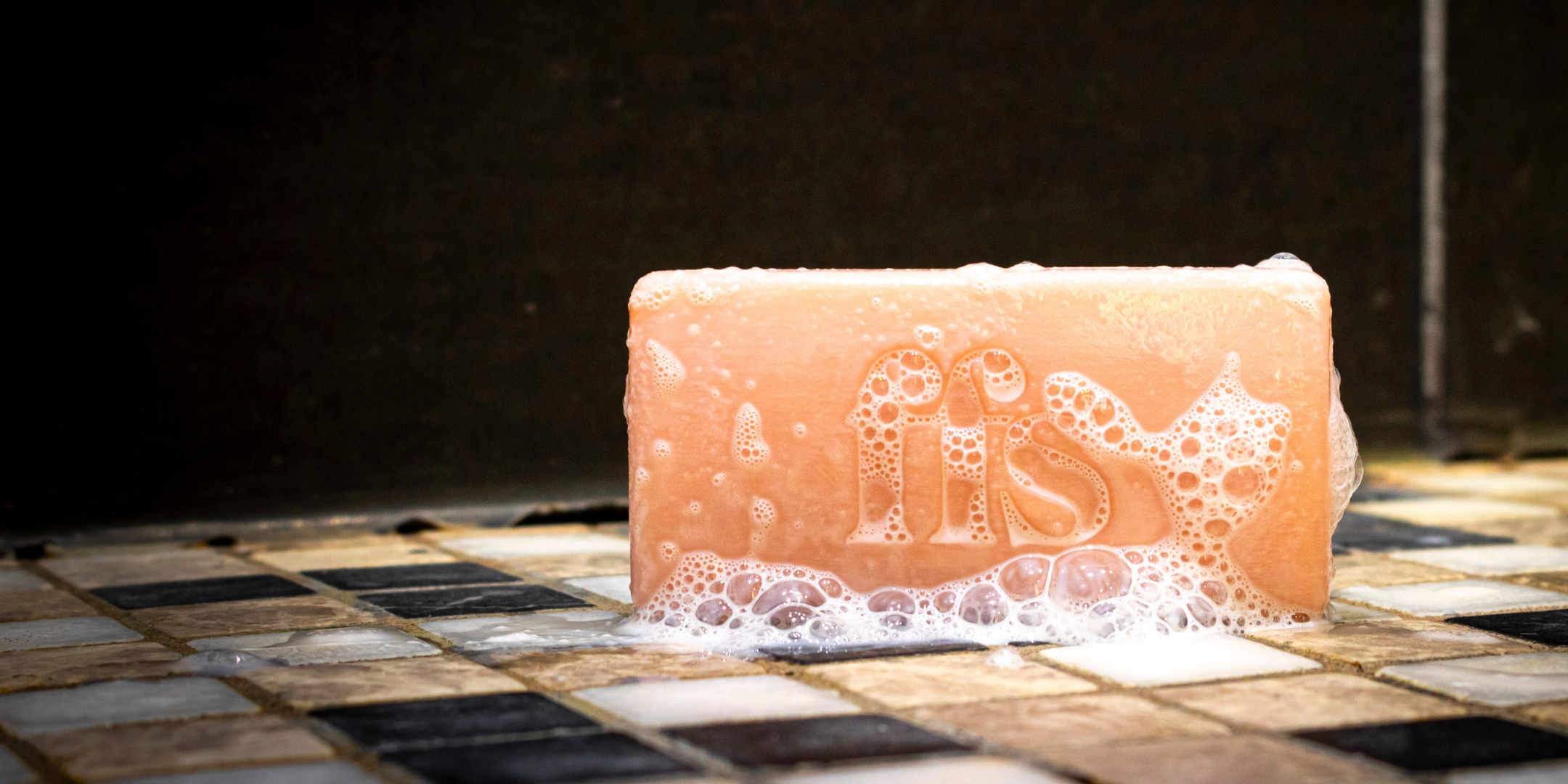
Soap
Mastering Soap Storage: Tips for Keeping Your Bars Fresh
Welcome to FFS Beauty's guide to sustainable cleansing! We're thrilled to share some insider tips on how to maximize the lifespan of your favourite soaps and bars while minimizing waste. Dive in an...
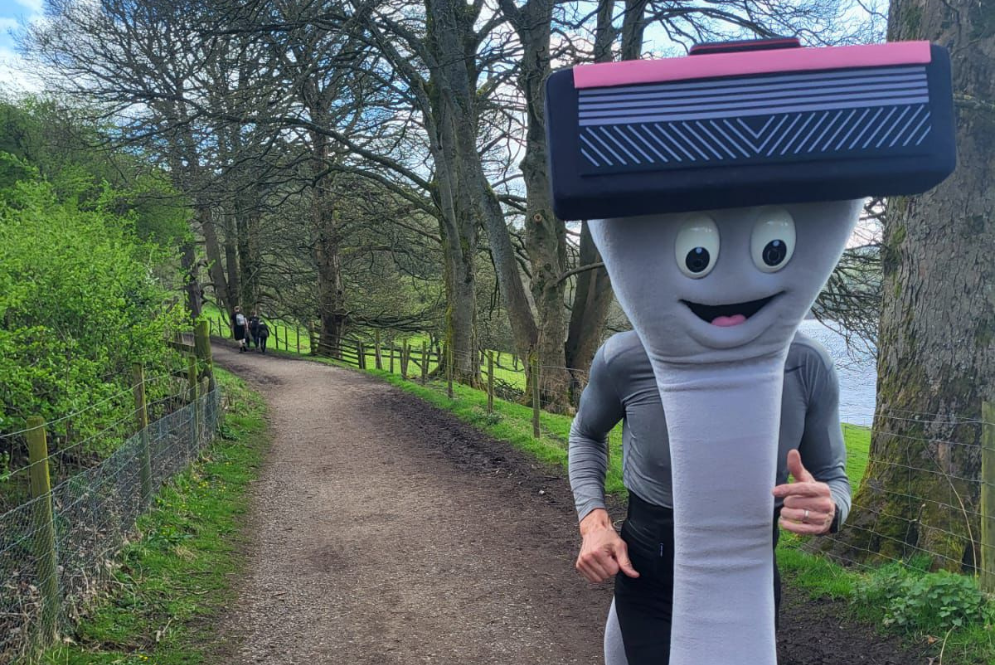
Charity
FFS Beauty Founder to Run London Marathon as Giant Razor! 🪒
Get ready to cheer on our fearless founder, Des, as he embarks on a marathon mission like no other! 🏃♂️ Kitted out in our iconic razor mascot costume, Des is gearing up to tackle the London Marath...
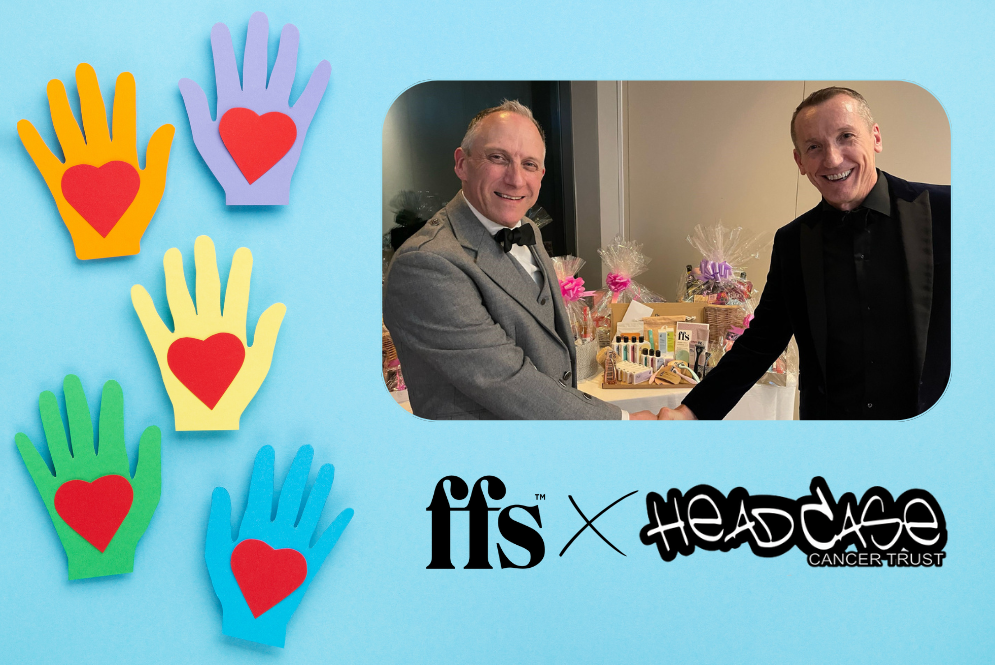
Charity
FFS Beauty Joins Headcase Charity Fundraiser!
At FFS Beauty, we believe in more than just skincare and beauty routines; we believe in making a difference. That's why we were thrilled to be part of the recent charity ball and fundraiser hosted ...